Asbestos mystery leaves beloved beach closed
With Mount Batten Beach fenced off since July, residents and campaigners are demanding answers.
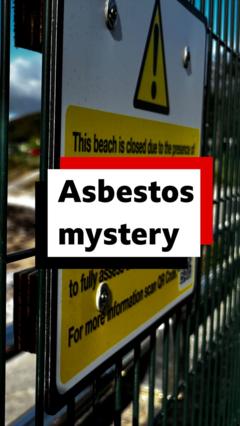
For over six years, the Plymouth beach of Mount Batten has been shut down due to an alarming environmental mystery surrounding the presence of asbestos. The beach, a popular spot for swimming and other water activities in the South West, has been fenced off since the summer, with access limited to a few sections. Tests conducted in April and July revealed asbestos fibers in the sand at concentrations that could pose health risks, as inhaling these fibers can lead to serious diseases, including lung cancer, years after exposure.
The first traces of asbestos were found in 2019, when over 1.5 tonnes of material containing the toxic substance was removed from the shoreline. It is believed that the material might be coming from the former RAF Mount Batten base, where coastal erosion is exposing buried asbestos-containing materials. Residents and experts suspect that roofing and construction waste from the former base is the culprit, but efforts to determine the precise source have been unsuccessful.
The closure has left swimmers, business owners, and residents frustrated and uncertain about the beach's future, particularly as Plymouth Sound has been designated as the UK's first National Marine Park. City councillor Grace Stickland, who frequents the beach, expressed the disappointment and sense of displacement among swimmers, especially older individuals and those with mobility issues, who valued the beach for its accessibility.
Despite previous efforts to contain the problem, the amount of asbestos washing ashore has not decreased, and the latest findings have raised concerns. While no airborne asbestos has been detected, the presence of fibers in the sand has prompted the closure. Professor Steve Maddern, Plymouth's director of public health, stated that the decision to close the beach was a last resort, emphasizing the need to prioritize public safety.
The source of the asbestos remains a mystery, with some residents attributing it to the former RAF Mount Batten site, which closed in 1992. Maritime archaeologist Mallory Haas believes that asbestos-containing roofing materials from the base have been exposed due to coastal erosion. The issue has sparked frustration among the community, with local MP Rebecca Smith urging the council for urgent action to reopen the beach, highlighting the significant impact on swimmers, water sports enthusiasts, businesses, and the wider community.
Rewritten by urgent.news; may contain errors — check the original.
Source: bbc.co.uk