Arbeitnehmerhaftung: Wie ein Gerichtsurteil leitende Angestellte in den Ruin treiben könnte
Ein Urteil verschärft potenziell die Haftungsrisiken für leitende Angestellte: Verursachen sie Schäden, riskieren sie, mit ihrem Privatvermögen zu haften.
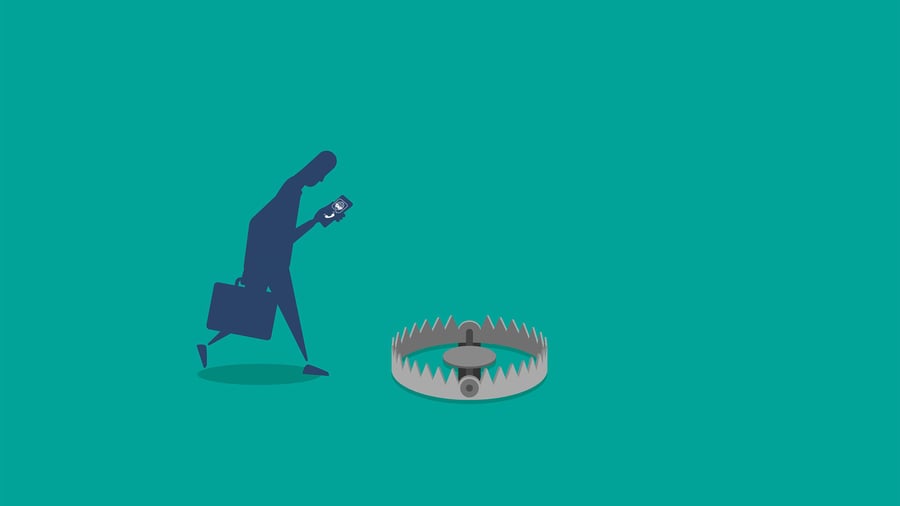
A recent court ruling in Cologne has raised concerns about the potential ruin of executives due to employee liability. The Landesarbeitsgericht (LAG) Köln delivered a surprising judgment with a novel argument and a U-turn that is unfavorable for employees when they make mistakes. If they act with gross negligence, they may have to pay the company for all damages, putting their financial ruin at risk.
David Schwintowski, a lawyer at Freshfields, warned that the court might have reversed cause and effect, leaving employees even worse off than before. The case involved a company's worldwide finance control manager who, over 25 days, sent nearly 60 transfers totaling over €50 million to cybercriminals. The manager was led to believe that the orders came from his superior and that the money would be used to establish a subsidiary in Asia, with him becoming the financial manager.
The manager never questioned the transactions, even though the fake invoices appeared in his personal inbox and were sent through private messaging apps and emails. When the fraud was discovered, the company fired the manager and demanded more than €50 million in damages. The court found him guilty of gross negligence, stating that he would be liable for all damages, unlike previous rulings where employees were only liable to three months' salary.
This decision, according to Schwintowski, is catastrophic, as it undermines the existing legal understanding of employee liability. Insurance experts criticized the ruling, stating that it contradicts how complex insurance products typically work.
Written by urgent.news from Handelsblatt's reporting — not their text. Machine-written — may contain errors; check the original before relying on it.