Addressing sexual violence in ‘pesantren’: Is it possible?
Behind the sacred walls of Indonesia’s boarding schools, an insidious architecture of spiritual authority weaponizes devotion to silence victims of sexual abuse—and only collective resistance can tear it down.
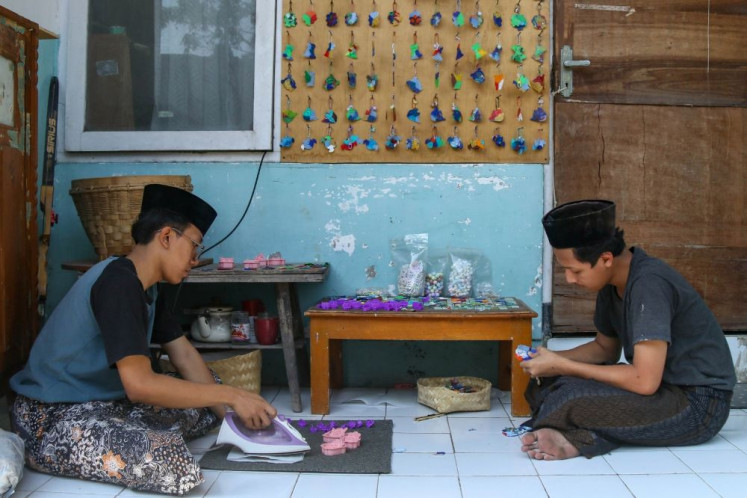
Sexual violence within Indonesia's Islamic boarding schools, known as pesantren, is a deeply entrenched issue. A BBC Eye documentary titled "The Teacher's Shame" in 2026 brought this hidden problem to light through the stories of two female former students who faced abuse at Pesantren Asyiddiqiyah in Jombang, East Java, and Pesantren Abul Barokah Wanafahat in Jonggat, Central Lombok, West Nusa Tenggara.
These testimonies sparked reports from numerous other victims across the nation, but public response remained cautious and fragmented. State agencies and Islamic educational authorities largely offered perfunctory statements, calling for clarity and proper procedures, rather than taking decisive action.
The Religious Affairs Ministry's 2022 regulation on preventing and handling sexual violence in educational institutions has little practical effect. The Child Protection Agency, tasked with direct victim advocacy, frequently faces bureaucratic hurdles when filing reports with both the police and the ministry's anti-violence task forces.
This bureaucratic inertia highlights the systemic nature of the problem. Many pesantren lack formal standard operating procedures for preventing or addressing sexual violence, assuming such misconduct cannot occur within a religious setting. As a result, cases rarely reach formal legal channels.
The infamous 2021-2022 case at Madani Quran boarding school in Bandung, where over nine underage students were raped, including some as young as 13, further illustrates the systemic failure. The victims' parents demanded forced marriage as punishment, but the legal system intervened, sentencing the perpetrator to death and ordering asset forfeiture for victim restitution.
However, the ministry disavowed its responsibility, claiming the facility was not a recognized pesantren. The question now is how to dismantle or deter these practices, moving beyond mere regulatory measures.
Written by urgent.news from The Jakarta Post Academia's reporting — not their text. Machine-written — may contain errors; check the original before relying on it.