A tortas por el dinero de los ricos: un negocio de 10.000 millones en comisiones que ningún banco se quiere perder
Las entidades financieras se enzarzan en una guerra por gestionar el dinero de los millonarios. Un tipo de cliente que crece en un sector valorado en un billón de euros
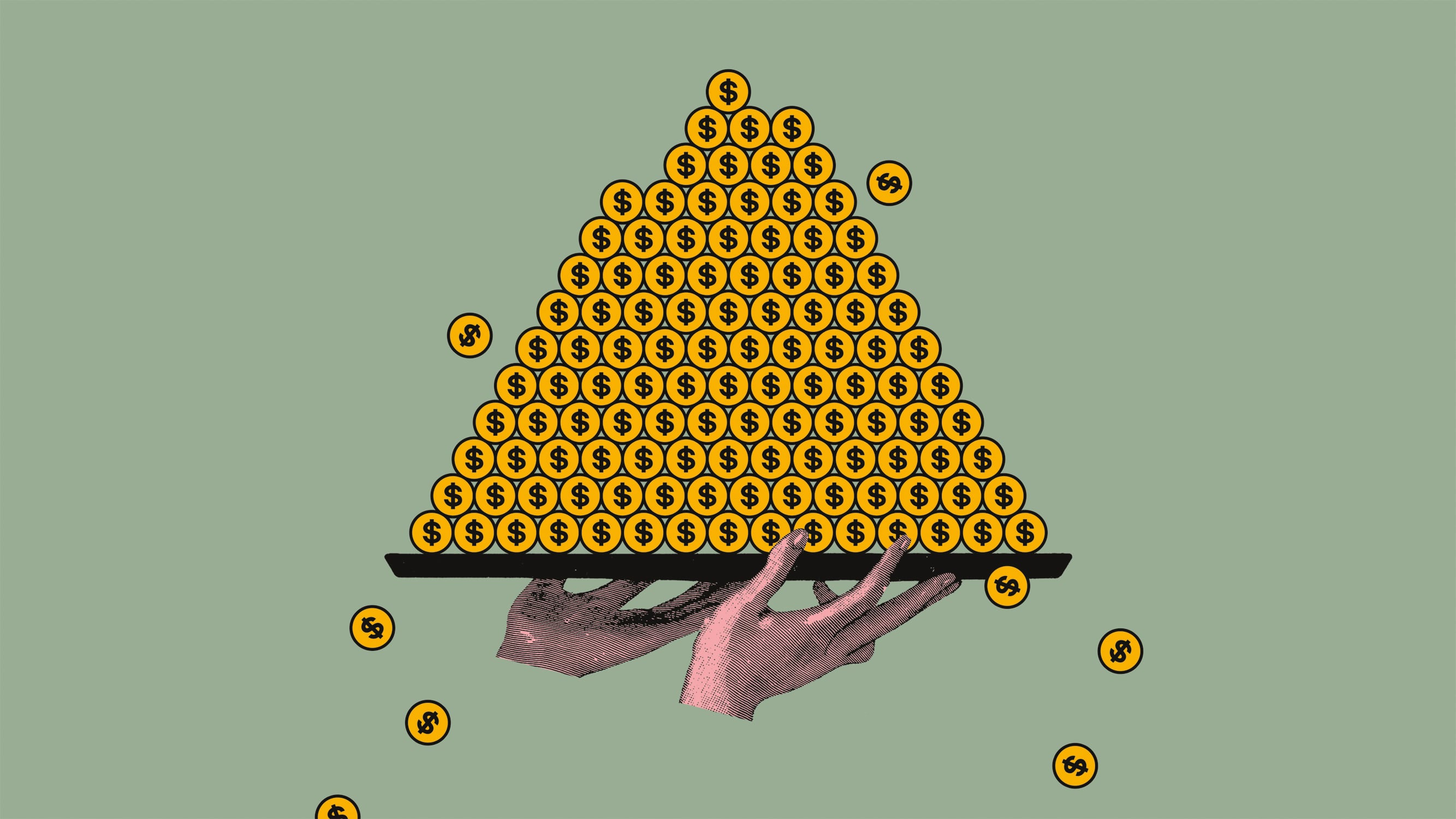
In the upscale neighborhood of Chamberí, Madrid, a sleek green Porsche 911 Carrera glides down the Jenner street, emerging from a discreet pyramid-shaped building. Within, it houses an abundance of treasures: artworks by Antoni Tàpies and Fernand Léger, period furniture, and intricate engravings. Not many eyes witness these masterpieces. This building epitomizes the flourishing and fiercely competitive realm of high-net-worth (HNW) financial advisory services, currently experiencing a golden age in Spain.
The term "rich" varies depending on the perspective. According to Banco de España data, an individual with a net worth exceeding €380,000 possesses more wealth than 90% of adult Spaniards. Consequently, a person with €30,000 in a Spanish bank account and property in Madrid, San Sebastián, or Barcelona might be deemed upper-class.
Banks begin treating clients as preferred customers with a financial portfolio surpassing €50,000. This segment, ranging from €50,000 to €300,000, is labeled affluent. Next come clients in the patrimonial banking category, with financial assets valued between €300,000 and €600,000. The pinnacle of this hierarchy lies in private banking, where net worth ranges from €600,000 to €1 million.
The most coveted clients fall within the €1 million to €30 million range, often gracing the VIP stages at venues like the Bernabéu. Even within this tier, there are distinct tiers. Between €1 million and €30 million, these individuals are classified as high-net-worth (HNW), while those exceeding €30 million are recognized as ultra high-net-worth (UHNW).
UHNW individuals demand highly personalized and exclusive services. Their private banking needs may involve designing an art foundation to allocate a portion of their wealth or mediating disputes among heirs. In such cases, bank managers typically delegate day-to-day investment decisions to select employees rather than managing the family's finances directly.
The threshold for establishing a private family office is estimated at €300 million. Between €30 million and €300 million, multiple business groups with shared interests often pool resources. This dynamic gave rise to several Spanish asset managers, such as Bilbao-based Acacia Inversiones. In recent years, numerous fortunes have leveraged these private family funds to manage investments in stocks and bonds.
Rewritten by urgent.news; may contain errors — check the original.
Source: elpais.com