A journey to Ningde, the Chinese city turned world capital of batteries for electric cars
CATL, a producer that accounts for nearly 40% of the global market, is trying to transplant the industrial ecosystem it built in its hometown to Europe, and is using AI to develop the next generation of batteries
Ningde, a small city in southeast China, has transformed from being one of the poorest and least industrialized areas of Fujian province to becoming the world capital of battery manufacturing for electric vehicles. This remarkable change is largely due to the efforts of CATL, the world's largest producer of batteries for electric cars.
Founded by Zeng "Robin" Yuqun, CATL began as a battery manufacturer for electronic devices in 1999. In 2008, the company moved operations to Ningde, backed by Beijing's subsidies and policies promoting clean energy. This strategic decision proved to be a turning point for both the city and the company.
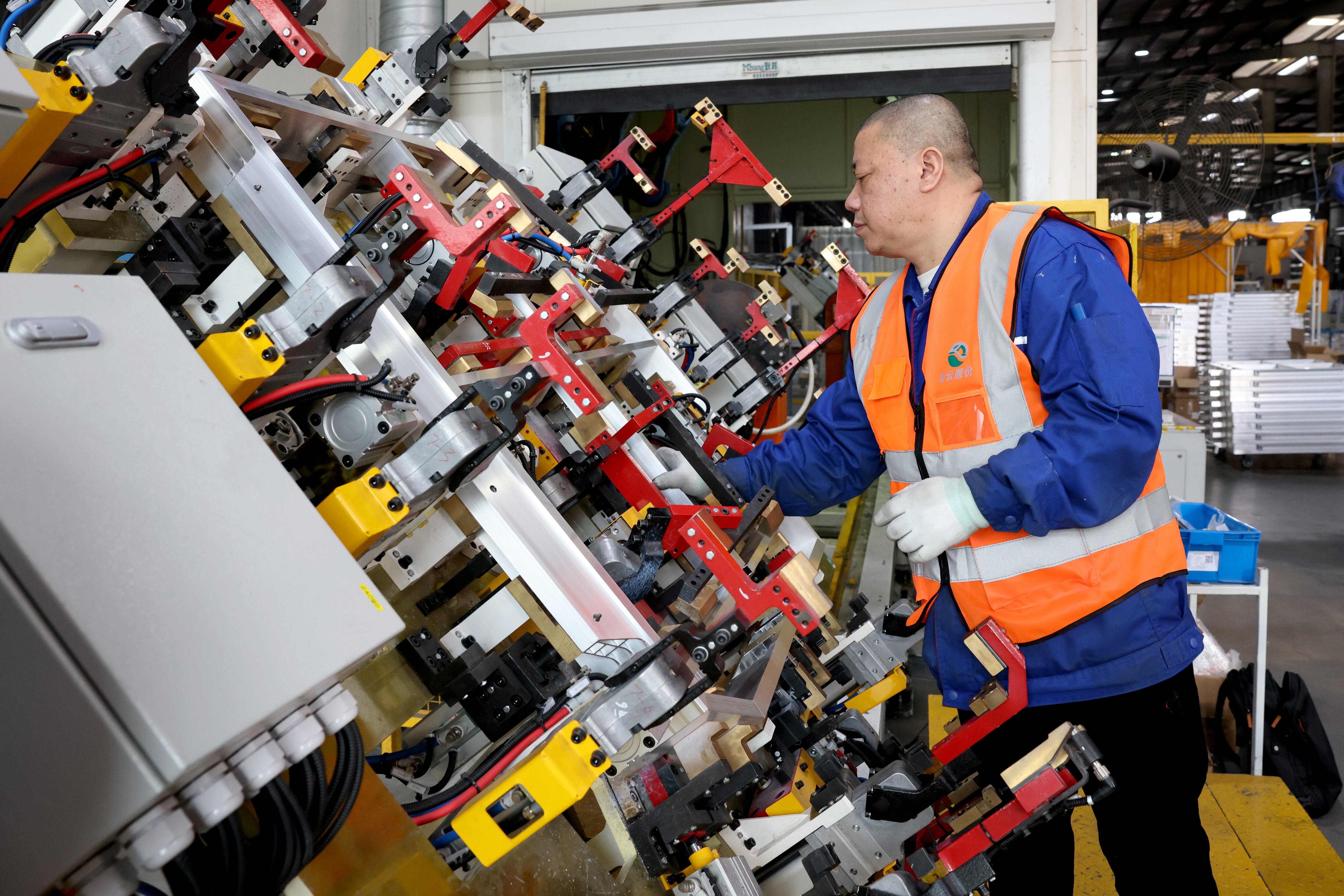
Today, CATL's facilities in Ningde have an annual production capacity of around 330 GWh, with the Jiaocheng base contributing approximately 60 GWh. The company's global capacity reached 772 GWh in 2025 and is expected to surpass 1,000 GWh this year. Ningde's industrial ecosystem, which has grown to include over 90 suppliers with a combined output of over 300 billion yuan ($44 billion) in 2025, is a significant factor in CATL's success.
The city's rapid transformation is evident in the landscape surrounding CATL's facilities, which include production lines, research centers, and service providers for tens of thousands of workers. Despite challenges in replicating the entire battery supply chain in Europe, CATL is gradually localizing the manufacture of essential components in the region.
Written by urgent.news from El Pais English's reporting — not their text. Machine-written — may contain errors; check the original before relying on it.