5 Character Additions That Hurt Once-Beloved TV Shows
Some shows just can't help trying to fix what's not broken. Nothing kills a series faster than a badly-written newcomer getting in the way of the main cast.
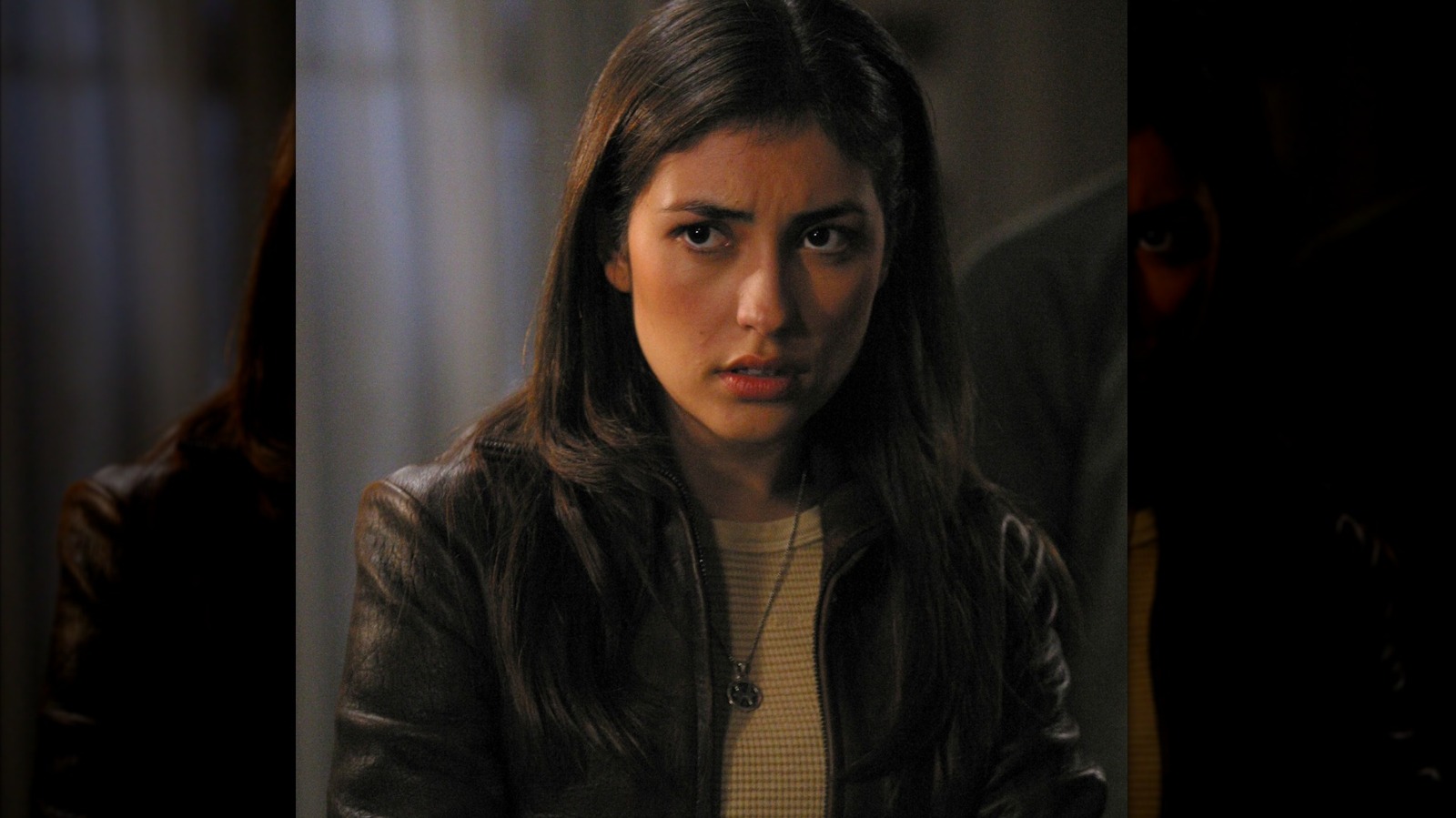
5 characters that marred once-beloved TV shows
New characters often face skepticism from viewers, as exemplified by the addition of Cousin Oliver to The Brady Bunch in 1974. While some new characters invigorate a series, like Danny DeVito's Frank Reynolds joining Season 2 of Always Sunny, most new additions end up feeling like a Poochie. Poochie, a short-lived character on The Itchy & Scratchy Show, was so despised that the writers killed him off by the end of the week, only for him to become an iconic, oft-quoted line among fans.
Scrappy-Doo, introduced in Scooby-Doo, was meant to boost the show's struggling ratings. However, the character was so annoying that fans hoped the gang would abandon him. The show's creators overdid it in trying to cash in on his success, dropping other characters like Fred, Daphne, and Velma in favor of Scrappy. Today, Scrappy is the most hated character in the franchise.
Adric, a child companion on Doctor Who, is universally considered the worst part of the Fourth Doctor's tenure. While Adric showed signs of growth, the show cut short his potential arc. Fans can only judge the annoying Adric that was.
Zoey from How I Met Your Mother was supposed to be a rooting interest for the audience, but she was far more annoying than intended. Her entire season was dedicated to sabotaging Ted's career, making their relationship irreconcilable and difficult to enjoy.
Kennedy from Buffy the Vampire Slayer appeared in the first season after Willow's long-term love interest Tara died, an unfortunate timing that left fans unprepared for her replacement. Additionally, Kennedy's character lacked chemistry with Buffy and was written as arrogant and off-putting, making her a sour note at the end of an otherwise great show.
Written by urgent.news from TVLine's reporting — not their text. Machine-written — may contain errors; check the original before relying on it.