2026's OLED monitors can nearly recreate the sublime clarity of a '90s CRT, but Windows will have to change before we can achieve true nirvana
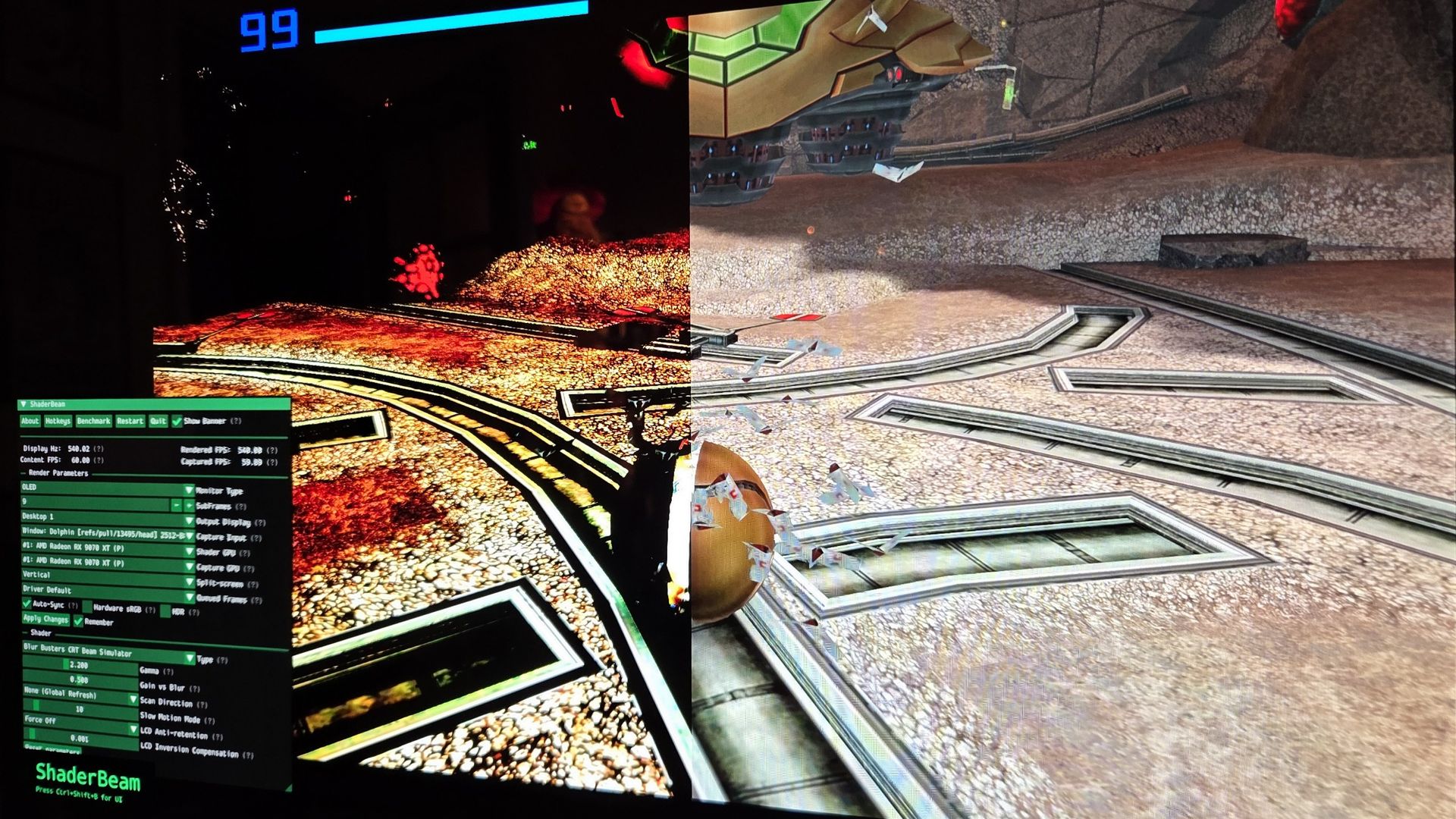
All you need is a ridiculously fast monitor and endless patience for tinkering to get a glimpse of how good retro games looked in motion back in the '90s.
In 2007, the TV show Lost concluded with an unforgettable twist, revealing that what had appeared to be a flashback was actually a flash forward. Protagonists Jack and Kate miraculously escaped the mysterious island, a goal that had been the driving force behind the series. This feeling of wanting to return to the past is how Mark Rejhon, founder of Blur Busters, feels about many technological advancements.
Just a few months prior, he had invested $1,000 in his first HD display, a 26-inch 1366x768 Samsung LCD. While the LCD represented a significant leap forward in terms of size, thickness, and sharpness compared to the CRT monitor connected to his family's PC, it still fell short of the sublime clarity offered by CRTs.
CRTs, or cathode ray tube monitors, have a distinct advantage over modern displays when it comes to motion clarity. This is primarily due to the gentle phosphor fade of a CRT, which is less flickery than the harsh black frame insertion (BFI) method used in other displays. The Blur Busters browser tool, aptly named after a little green man in a red saucer, has been a popular tool for determining the motion clarity of modern screens.
Its test, the UFO, has shown that even today's high refresh rate monitors are still struggling to match the clarity of CRTs. While advancements in hardware and software, such as Nvidia's G-Sync Pulsar and Blur Busters' CRT simulation algorithm, are pushing the boundaries of motion clarity, OLED monitors have yet to fully embrace this technology.
Written by urgent.news from PC Gamer's reporting — not their text. Machine-written — may contain errors; check the original before relying on it.