Zambia signs US health deal after disputes over data-sharing
Zambia has signed a five-year health financing agreement with the US, ending months of public dispute over whether the country was trading citizens' medical data and mineral rights for aid.
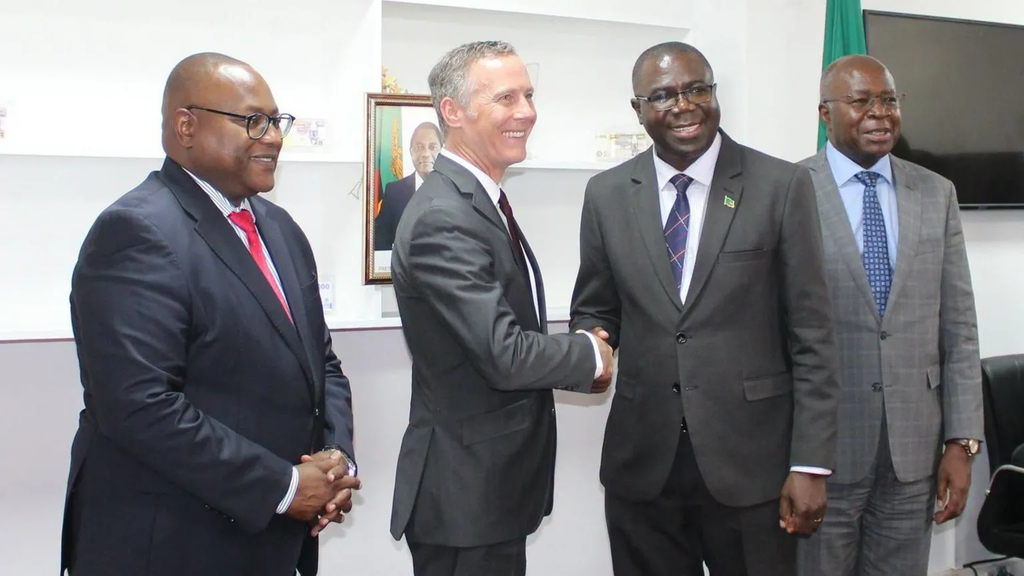
Zambia has signed a five-year health financing agreement with the United States, concluding months of public dispute surrounding concerns over data-sharing and mineral rights trading. The memorandum of understanding was signed in Lusaka on Thursday, accompanied by a data-sharing deal. The US will provide around $1.5bn, with Zambia contributing its share.
Civil society groups had criticized a leaked draft, suggesting excessive data sharing, while activists argued that the funding was linked to US companies' preferential access to Zambia's mineral reserves—an allegation the then-US ambassador dismissed. The deal arises after the closure of the US Agency for International Development (USAID), which former President Donald Trump criticized for wasteful spending.
Since its termination, Washington has pursued similar agreements with African nations, aiming to have partner governments assume a larger share of the costs. Kenya, Tanzania, and Uganda are among the countries that have signed similar agreements, while Ghana and Zimbabwe rejected the deals due to concerns over data-sharing conditions.
Zambia's new deal reportedly addresses privacy, intellectual property, and benefit-sharing concerns, with health minister Roma Chilengi stating that clauses requiring the country to send biological specimens to the US have been removed. The agreement also limits data exchange to information necessary for monitoring and evaluating funded programs.
Civil society groups warned that Zambia was accepting broader data-sharing terms than other African nations, including long-term access to pathogen information and specimens. The Chapter One Foundation, a human rights group, expressed concerns that the government might "sign away" citizens' health data. HIV advocates demanded the text be published, as they believed the flow of information would be one-way.
Opposition figures and activists raised questions about the link between health funding and US companies' access to Zambia's substantial copper and mineral reserves. The controversy intensified when the US suspended drug funding following allegations of theft by embassy staff, a claim Zambia denied. The new deal replaces support that Zambia previously received through US programs, aimed at bolstering HIV/AIDS, tuberculosis, malaria, maternal and child health, disease surveillance, and overall health system development, including community health worker recruitment.
The US describes this as a move away from a donor-recipient model towards shared responsibility, with US funding expected to decrease over the five-year period as Zambia increases domestic spending.
Rewritten by urgent.news; may contain errors — check the original.
Source: myjoyonline.com