Why US support for Riyadh in Yemen matters
Washington’s backing in the fight against the Houthis serves US interests, and helps demonstrate that it takes Gulf security seriously.
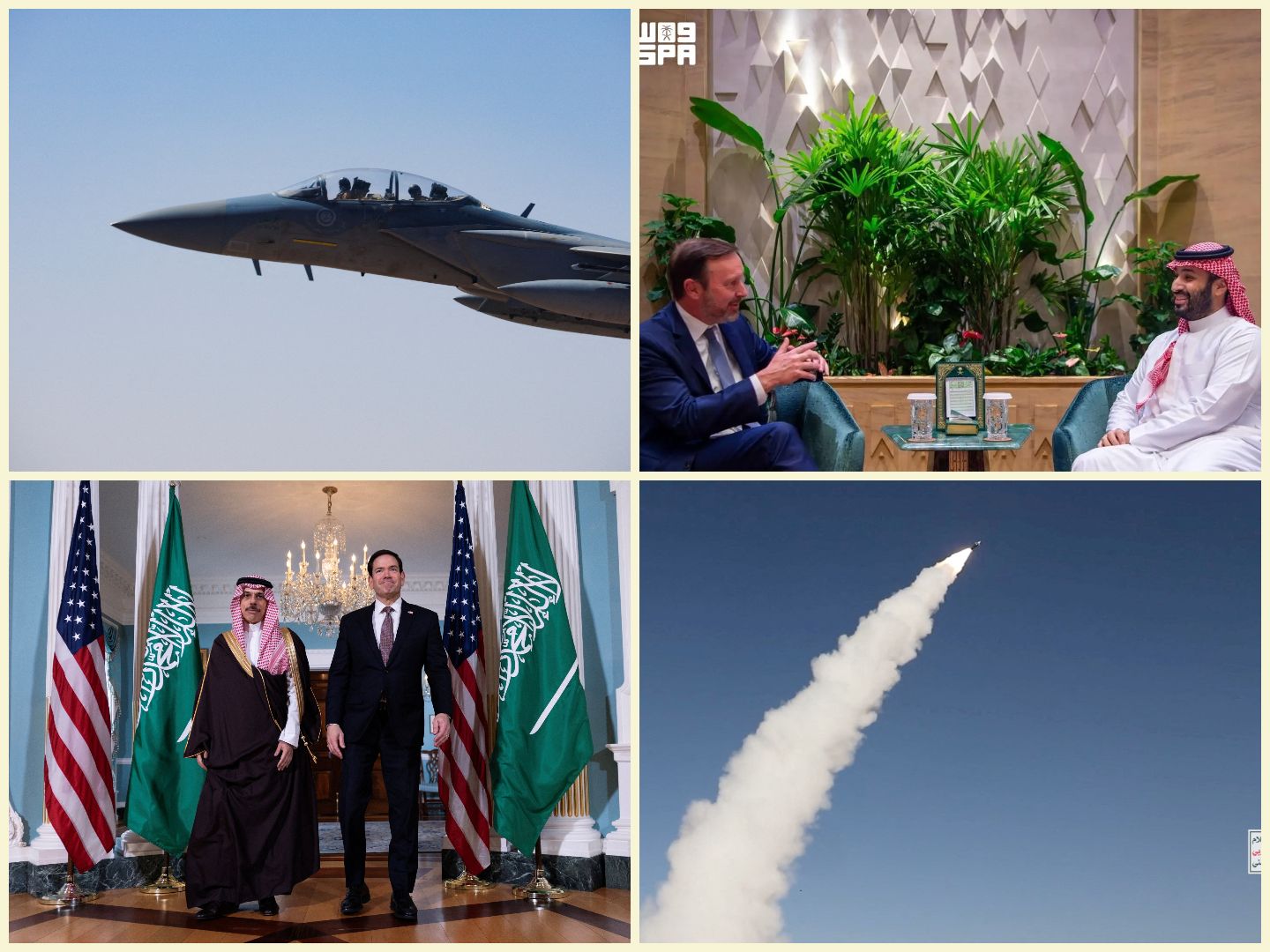
Two statements made by US Senator Chris Murphy and Secretary of State Marco Rubio highlight the significance of US support for Riyadh in Yemen. These comments were made at a crucial moment for Saudi Arabia and the region. Senator Murphy, who has previously criticized Saudi policy, traveled to Riyadh and met with the kingdom's leadership, publicly acknowledging that Washington cannot achieve its goals alone.
This aligns with Secretary Rubio's stance, affirming Saudi Arabia's right to defend itself against Houthi aggression and expressing Washington's intention to honor its defense and security agreements with the kingdom. These statements matter as some in Washington are advocating for a narrower role for the US, demonstrating that American leaders recognize the global consequences of threats against the Gulf.
While Saudi Arabia possesses significant military capabilities, has experience in Yemen, and has powerful allies like Pakistan and Türkiye, active US backing remains crucial, both strategically and politically. As a Saudi citizen, the author supports Yemen's legitimate government and believes that the military operation there aims to restore sovereignty and confront the Houthi militia, which poses a threat not only to Saudi Arabia and Yemen but also to the global economy.
The Houthis, known for their slogan "God is the greatest, Death to America, Death to Israel, A Curse Upon the Jews," are not merely seeking to share power within Yemen, but have a clear ideology that risks turning the country into a breeding ground for international extremism. Keeping these waters open, a responsibility that benefits both the kingdom and the US, is essential for the global economy.
The escalation in Saudi Arabia's approach is a direct response to the Houthis' unilateral aggression against the Yemeni government. Former Saudi intelligence chief HRH Prince Turki Al-Faisal explains that the kingdom's engagement in Yemen has been guided by strategic restraint within limits. With persistent provocations from regional proxies, Saudi Arabia now finds that restraint is no longer viable.
The Houthis have underestimated Saudi resolve, and Riyadh sees an opportunity to defeat them or force them back to negotiations. Washington's support is not a favor to the Gulf but a clear-eyed assessment of its own strategic interests, helping to protect global trade, combat state-sponsored terror, and ensure that diplomacy in the Middle East is backed by unyielding strength.
Written by urgent.news from Semafor's reporting — not their text. Machine-written — may contain errors; check the original before relying on it.