Why South Korea and Ukraine Are Fighting Over Two Prisoners of War
South Korea and Ukraine must look beyond the diplomatic dispute over North Korean prisoners of war to protect their partnership.
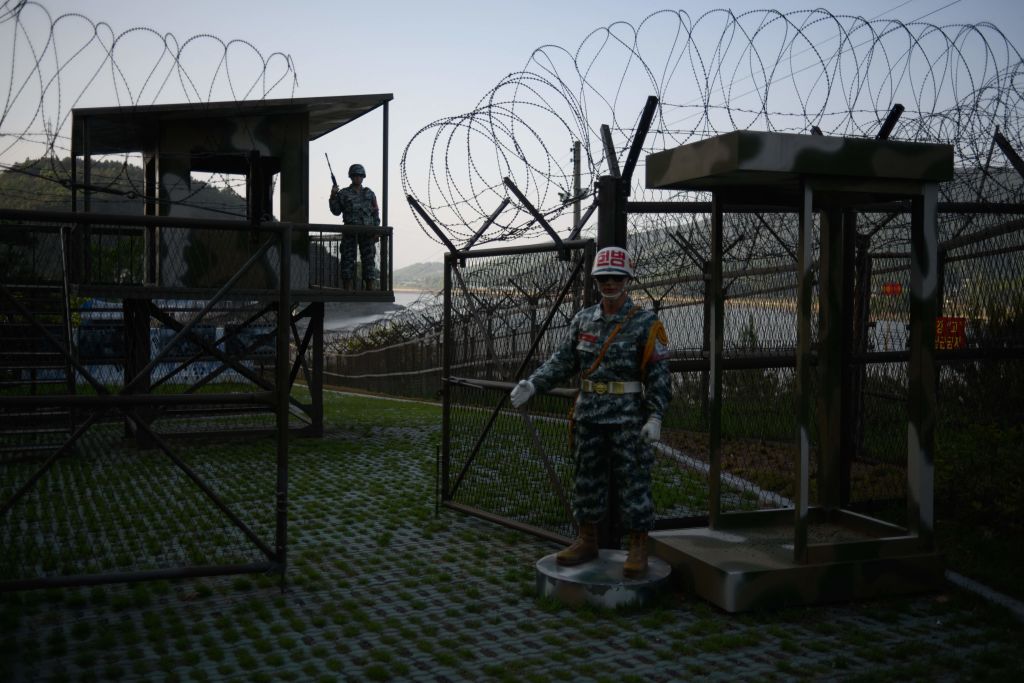
Two North Korean soldiers became the focal point of a diplomatic dispute between Ukraine and South Korea after President Volodymyr Zelensky of Ukraine revealed that the two prisoners of war had been sent to South Korea. Zelensky's speech at the UN General Assembly aimed to showcase Russian military support via North Korea and to garner support for Ukraine in Seoul.
South Korea, however, claimed the transfer was confidential and downplayed the incident as a misunderstanding. Seoul subsequently recalled its ambassador to Ukraine, further fueling the diplomatic rift.
The two soldiers were captured while fighting in Russia in January 2025, part of a 10,000-strong North Korean force supporting Russian troops on the front line. Ukraine released video footage of the soldiers after their capture to confirm North Korean involvement in the conflict. Human Rights Watch raised concerns over the video release, citing potential repercussions for the soldiers' families in North Korea, including severe punishment. One soldier had attempted suicide before receiving medical attention.
The North Korean regime considers any soldier who surrenders or defects a traitor, subjecting the families of defecting soldiers to collective punishment. Zelensky's announcement prompted the potential retribution of the soldiers' families, adding to the urgency of the situation. For South Korea, the disclosure of the soldiers' resettlement complicates its diplomatic efforts with North Korea, as it seeks to promote peaceful coexistence while maintaining a firm stance against Pyongyang's actions.
Both nations must navigate this complex geopolitical landscape to protect their partnership and ensure the safety of the two North Korean soldiers.
Written by urgent.news from Time's reporting — not their text. Machine-written — may contain errors; check the original before relying on it.