Why Asian parents are trapped in a private tuition arms race
Grace often hears other Singapore mothers debating how much private tuition their children need. Some rush to enrol their offspring in multiple classes before they turn five, while others try to resist the pressure to add lessons outside school. She enrolled her two children, now aged four and seven, in Chinese tuition when they were three to give them greater exposure to their ancestral tongue.…
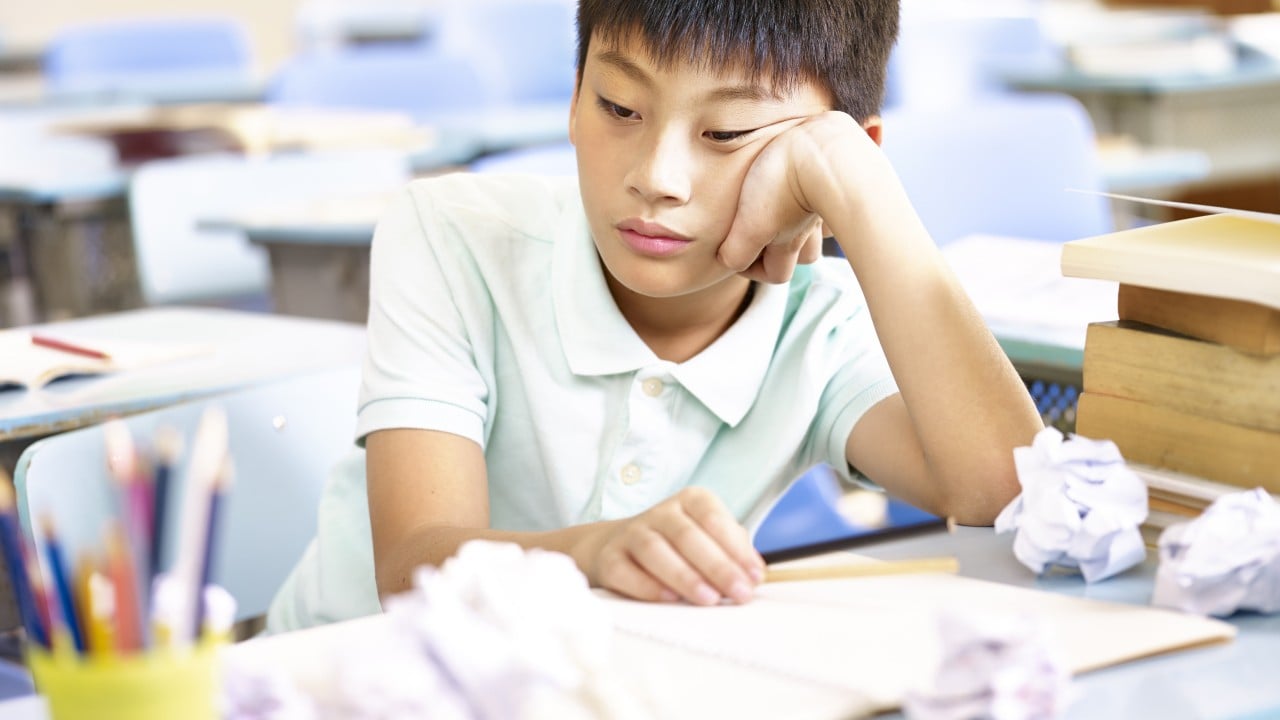
Asian parents find themselves ensnared in a private tutoring frenzy, driven by the desire to provide their children with an academic advantage. In Singapore, a recent survey revealed that parents are spending more on tuition and enrichment classes than ever before, despite concerns over the excessive time children spend in private lessons.
The survey of 1,500 primary school parents found that nearly nine in ten believed children were spending too much time on private classes, while seven in ten would spend more if they had the resources.
The dilemma faced by parents is not unique to Singapore. Across Asia, families compete for limited opportunities, leading them to invest in tuition even if they recognize the potential negative impact on their children's well-being. Ong Ee Cheng, an economics professor at the National University of Singapore, described the situation as a "thorny paradox" where everyone would benefit if no one sent their children to private tutors, but when everyone does so, everyone suffers.
This competition has fueled demand for private education in Singapore, where parents spend an average of S$677 (US$529) a month on tuition – a significant increase from S$318 a decade ago. House of Hows, a tuition center catering to primary, secondary, and junior college students, has a waiting list of over 1,000 prospective students.
Founders like Laura Oh warn against viewing all tuition spending as a fear of missing out, emphasizing that many parents are increasingly prioritizing stress management and helping children find enjoyment in learning.
The private tuition industry continues to expand region-wide, but observers warn that these advantages extend beyond the classroom, reinforcing socio-economic divides. Students whose parents can afford private classes are more likely to excel in entrance exams, potentially creating inequalities that persist into employment. High-stakes national examinations at a young age, particularly in countries where schools are sorted based on performance, exacerbate these divides, as the results increasingly reflect family background rather than schooling.
The pressure to secure an advantage can begin even before formal schooling starts. In countries like Singapore, China, and South Korea, well-off parents often engage in an educational arms race well before primary school, with the effects of private tuition on social mobility being more pronounced in societies with high levels of inequality.
In Malaysia, for example, gaps in the quality of public education leave children reliant on extra help to keep up, disproportionately affecting poorer families who are less able to pay for private lessons.
Addressing the issue requires both improving public education and curbing intense competition for scarce educational opportunities. Governments across the region face the challenge of fixing learning gaps in public schools while curbing the pressure to participate in the private tutoring arms race.
Written by urgent.news from South China Morning Post's reporting — not their text. Machine-written — may contain errors; check the original before relying on it.