Who Gets to Profit From Saving Nature? WEF Has a Proposal
A WEF report proposes a larger role for philanthropy and private capital in conservation, raising questions about financial incentives and accountability.
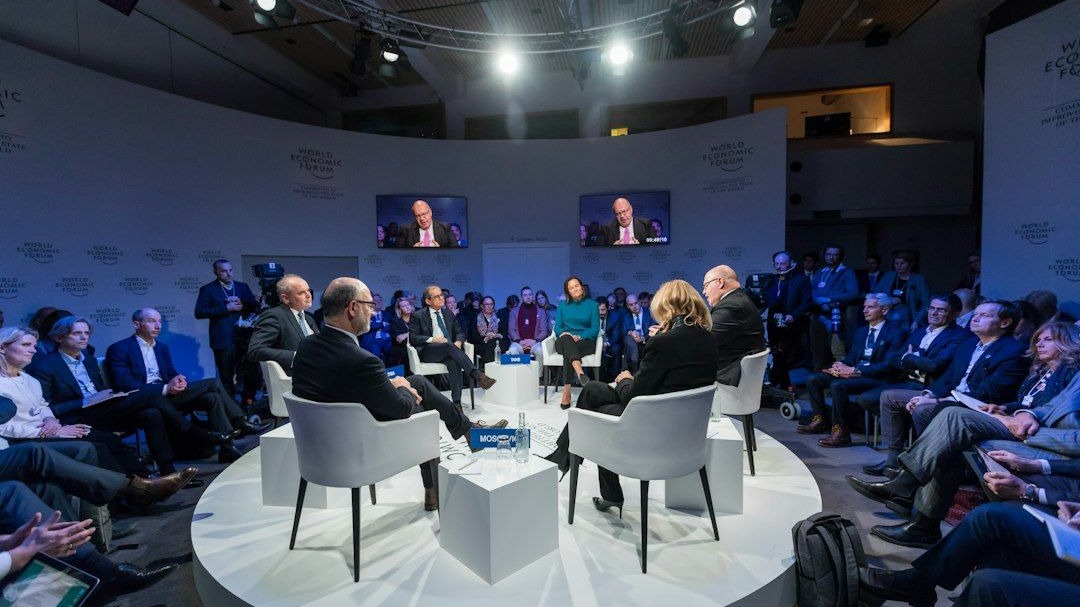
The World Economic Forum (WEF) has suggested that philanthropies and foundations should act as stewards of nature. Their white paper, titled "The Catalysts: Unlocking Markets for a Sustainable Economy," proposes that these "catalytic actors" possess the resources, influence, and patience to transform nature into commercial opportunities.
The WEF argues that debt-for-nature swaps could free up $100 billion for conservation efforts, allowing countries to redirect funds towards nature protection and climate resilience. This approach essentially enables countries to exchange loan repayments for investments in conservation. However, it grants these organizations the power to force nations to take out insurance policies to mitigate the financial impact of natural disasters and political risks.
While the WEF acknowledges the role of governments, businesses, and communities in driving "systems change," it suggests that philanthropies and foundations are uniquely positioned to leverage their financial and non-financial resources to unlock progress. The authors describe these catalytic investors as those who can accept disproportionate risks and concessionary returns to generate positive environmental and financial outcomes.
The concept of "catalytic capital" is introduced, which accepts disproportionate risks and concessionary returns to create positive impact and enable third-party investment. According to the WEF, the potential of "catalytic actors" to reshape markets, reorient economies, and generate returns that benefit people and the planet is being highlighted. Financializing, tokenizing, and monetizing natural resources are seen as part of the Great Reset agenda to reshape the global economy.
Written by urgent.news from HackerNoon's reporting — not their text. Machine-written — may contain errors; check the original before relying on it.