What are stem-cell donor registries and how do they work?
For patients who need a stem-cell transplant but do not have a suitable family donor, registries provide access to potential unrelated donors. Experts say India needs a larger and more diverse donor pool to improve the chances of finding a match
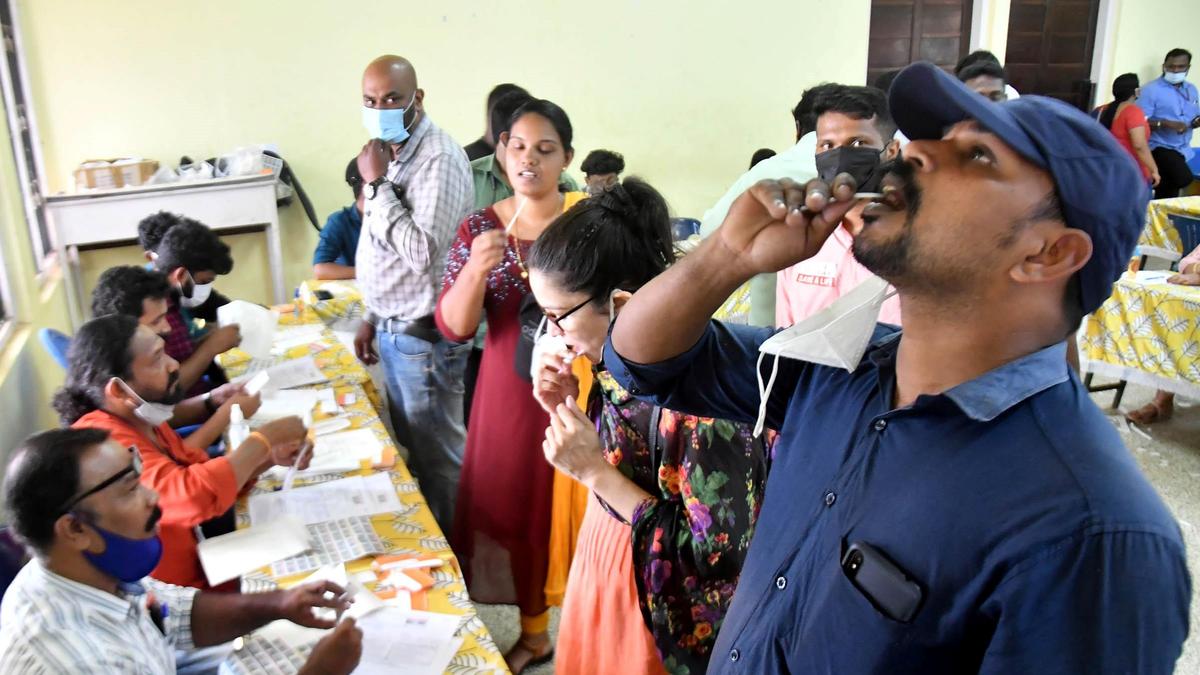
Stem-cell donor registries act as databases listing individuals who have consented to donate their blood-forming stem cells to patients in need of transplantation. These registries maintain the Human Leukocyte Antigen (HLA) profiles of donors, which are proteins that help the immune system differentiate between the body's own cells and foreign cells.
For patients suffering from blood cancers or disorders like thalassaemia and aplastic anaemia, stem-cell transplants can be life-saving treatments. However, finding a suitable donor can be a significant hurdle.
Currently, only around 25% to 30% of patients have a fully HLA-matched sibling donor. For those without an immediate family donor, an unrelated donor registry becomes crucial. Registration typically involves providing a cheek or buccal swab for HLA typing. Though these registries are often referred to as bone marrow registries, they essentially serve as stem-cell donor registries.
In the event that a patient lacks a suitable family donor, transplant teams can search the registry for an unrelated donor, which might even extend internationally. The primary factor in matching is HLA, not blood group, as these markers are inherited and a closer match increases the chances of a successful transplant and reduces complications such as graft-versus-host disease.
India, however, does not have a single national stem-cell donor registry. Instead, the World Marrow Donor Association currently lists five such registries in the country, including DATRI Blood Stem Cell Donors Registry, DKMS Foundation India, Marrow Donor Registry India (MDRI), GeneBandhu, and The Arjan Vir Foundation. These registries collectively hold several lakh registered donors, though numbers vary.
They are linked to international donor networks, enabling transplant centers to search beyond India when a suitable donor cannot be found locally.
While increasing the number of registered donors is essential, the composition of the donor pool is equally vital. India's substantial genetic diversity across regions, communities, and ancestral groups necessitates representation in the registry. A patient is more likely to find a suitable unrelated donor when people from similar backgrounds are represented in the registry.
Dr. Jeyasankar S., a consultant at Apollo Speciality Hospitals, emphasizes that registries hold particular importance for patients from under-represented communities.
To boost donor registration, India requires more healthy young adults, especially from diverse communities, to join the registries. Registration does not involve actual donation; rather, it allows potential donors to be contacted if they match a patient's HLA profile. Some donors might be approached for donation through a process similar to platelet donation, while others may undergo collection directly from the bone marrow.
Despite misconceptions about the donation process being painful or invasive, registration is an informed commitment, as a person may become a match months or years later.
Experts highlight the need for sustained awareness campaigns through colleges, workplaces, and community organizations, along with better representation of diverse regions and communities in the registries. Enhanced coordination between registries and transplant centers, coupled with reliable donor follow-up, are also crucial. The challenge lies not just in creating a larger registry, but one that accurately represents India's population and improves the likelihood of finding a suitable donor when it's needed.
Written by urgent.news from The Hindu Health's reporting — not their text. Machine-written — may contain errors; check the original before relying on it.
This story
This is one outlet's version. Read the fullest account.