'We made our own supply chain': How UAE food retailers and producers adapted to absorb impact of Iran war
Turning to new trade routes and changing long-held business practices have helped UAE food producers and retailers to navigate the uncertainty caused by the Iran war . The closure of the Strait of Hormuz meant firms had to be creative to ensure minimal disruption to food supplies. For some retailers the main challenge was finding suppliers closer to home, no small ask when about 80 per cent of…
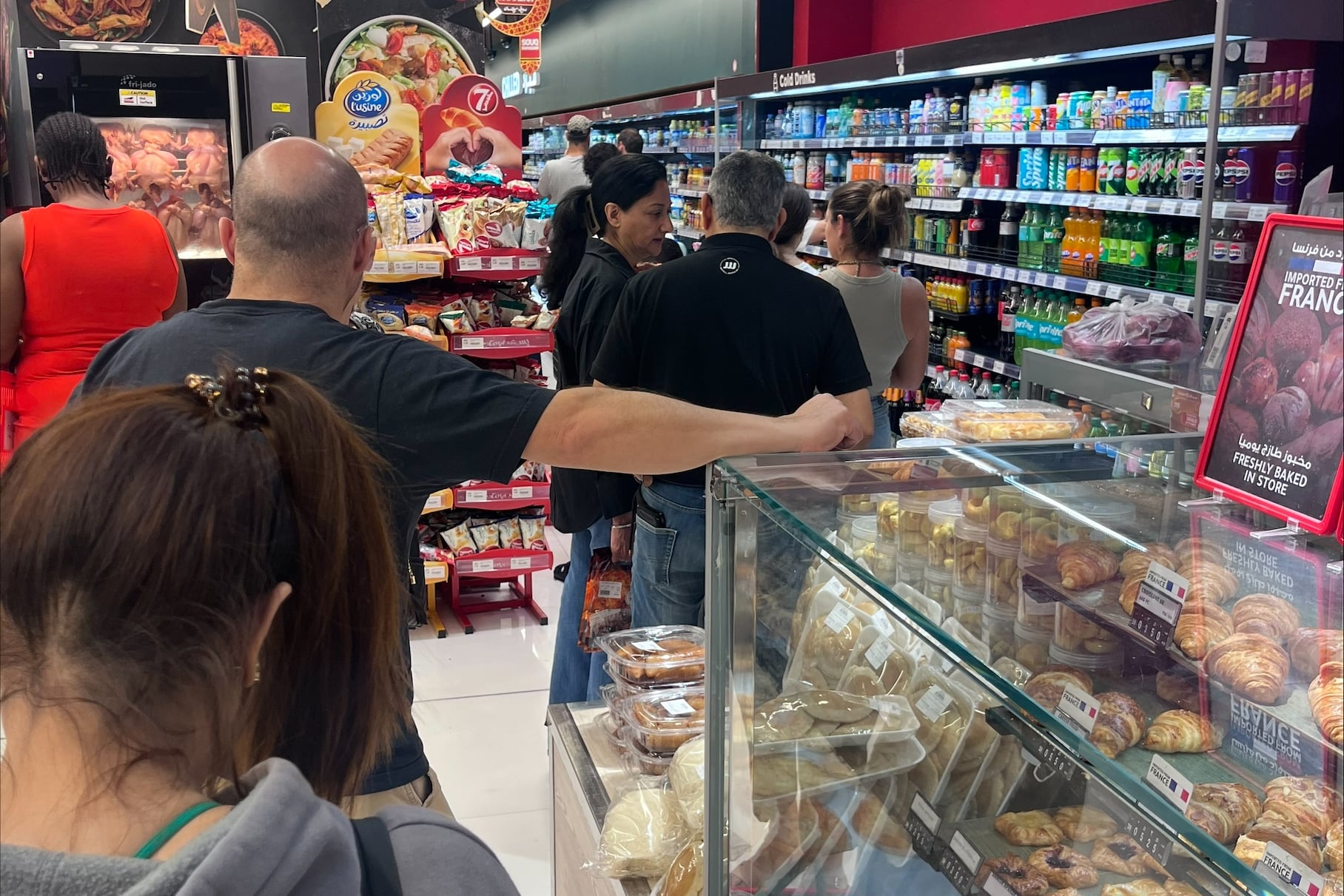
The ongoing Iran war has forced UAE food retailers and producers to adapt their trade routes and business practices in order to maintain steady food supplies. With the closure of the Strait of Hormuz, firms had to find creative solutions to bypass the disruption caused by sea shipments. For many retailers, the main challenge was sourcing local suppliers amid the fact that about 80% of food in the UAE is currently imported.
The conflict has led to longer delivery times, with goods arriving by sea taking up to 70 days. This issue is particularly problematic for items with short shelf lives.
Supermarket chain Lulu Group International has been forced to drastically change its sourcing methods, shifting from distant suppliers in Europe and North America to Asian markets. Speaking at the Global Food Week conference in Abu Dhabi, Shamin Sainulabdeen, director of private labels at Lulu Group, stated, "We made our own supply chain.
Now we are bringing chartered flights and ships to all the GCC countries where we have outlets." The company has chartered vessels from various countries, including India, Thailand, China, Indonesia, Spain, Turkey, and Italy, to expedite deliveries and minimize disruption.
United Foods, a company that manufactures essential goods such as oils and ghee, took a different approach by placing orders for raw materials in advance. Mohamad Ziad Al Najjar, United Foods B2B senior manager, explained, "Even while the war was happening, we had already made the future bookings." By securing large quantities of materials ahead of time, the company has managed to maintain low costs and keep prices affordable for consumers.
Another local producer, Al Ain Farms Group, has focused on boosting its homegrown products and emphasizing the importance of UAE-made goods. Tareq Al Hosani, chairman of Al Ain Farms Group, stated, "The strength of the UAE comes with being an international mix, leveraging its legacy, heritage with the traditions of the UAE, and mixing it with international best practices is the only way to be able to be competitive and succeed."
The chairman emphasized the value of the "made in the UAE" slogan, noting that it helps create a competitive advantage in the market.
Government support has also been crucial for UAE food producers and retailers navigating the challenging supply chain situation. Mohamad Ziad Al Najjar from United Foods praised the UAE government's assistance, stating, "They are even calling us [asking]: 'Do you have challenges, issues of receiving your goods?'"
The issue of supply chain resilience was a prominent topic at the Global Food Week conference in Abu Dhabi, with an emphasis on improving efficiency using artificial intelligence. Sumaya Al Marzooqi, official spokeswoman for Global Food Week, said, "Our focus this year is to move from being agile to being ready, focusing on readiness, future-forward thinking, as well as focusing on resilience and I think [the UAE] has shown great results."
Written by urgent.news from The National Business's reporting — not their text. Machine-written — may contain errors; check the original before relying on it.
This story
This is one outlet's version. Read the fullest account.