Warren Buffett's Red Warning Siren Has Rarely Been Louder
The "Buffett Indicator" has hit record levels—a sign of dangerous overvaluation in U.S. equity markets, to some.
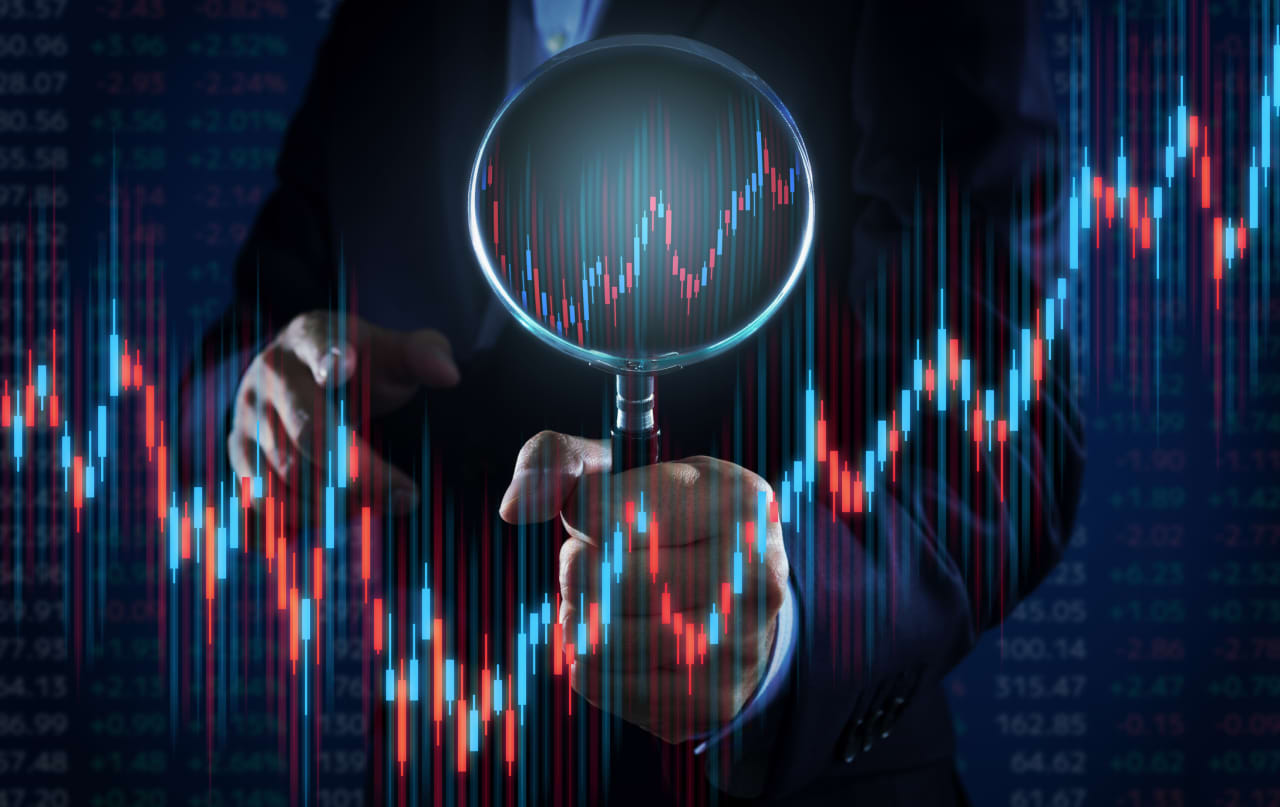
Warren Buffett's warning signal regarding the U.S. economy has been sounding increasingly loud recently. Known as the "Buffett Indicator," this measure compares the value of publicly traded stocks to the country's economic output. Currently, the indicator stands over 200 percent, signaling potential overvaluation and overheating. This threshold represents a level where investors are "playing with fire," a phrase Buffett himself used to describe such a situation.
First introduced in a 2001 Fortune article, the indicator divides the value of all U.S. publicly traded securities by the nation's Gross National Product (GNP), expressed as a percentage. While it can serve as a useful tool for gauging market valuation, Buffett warned that a high percentage could foreshadow a correction or crash.
According to MacroMicro, the indicator is currently at around 234 percent, while LongTermTrends records it at 237 percent. Both figures are near record highs and have surpassed Buffett's "playing with fire" threshold for over a year. This suggests that U.S. equities are valued at more than double the country's economic output, a sign often cited when discussing overvaluations and potential market downturns.
The extreme concentration of investment in a few AI-linked companies, particularly those in the so-called "Magnificent Seven," has further fueled concerns about market overvaluation. These companies, including Alphabet, Amazon, Apple, Meta, Microsoft, Nvidia, and Tesla, have seen a combined valuation increase of $27 trillion since late 2022, according to Goldman Sachs. This represents about one-third of the entire stock market's value, raising fears that valuations are rising faster than revenue can justify.
Buffett's concerns over investor enthusiasm were evident in May when he told CNBC that "we've never had people in a more gambling mood than now." While he acknowledged that this doesn't necessarily mean investing is terrible, he warned that prices for many things could appear "very silly" if the current enthusiasm turns to panic.
Written by urgent.news from Newsweek's reporting — not their text. Machine-written — may contain errors; check the original before relying on it.