US slaps sanctions on ICC, hours after ex-judge wins Nobel
US President Donald Trump’s administration imposed sanctions on the International Criminal Court on Friday, hours after one of its former judges won the Nobel Peace Prize, putting Washington on a diplomatic collision course with European allies. The ICC’s deputy prosecutor, Nazhat Shameem Khan, condemned the sanctions and said they would not halt the tribunal’s work. The Trump administration has…
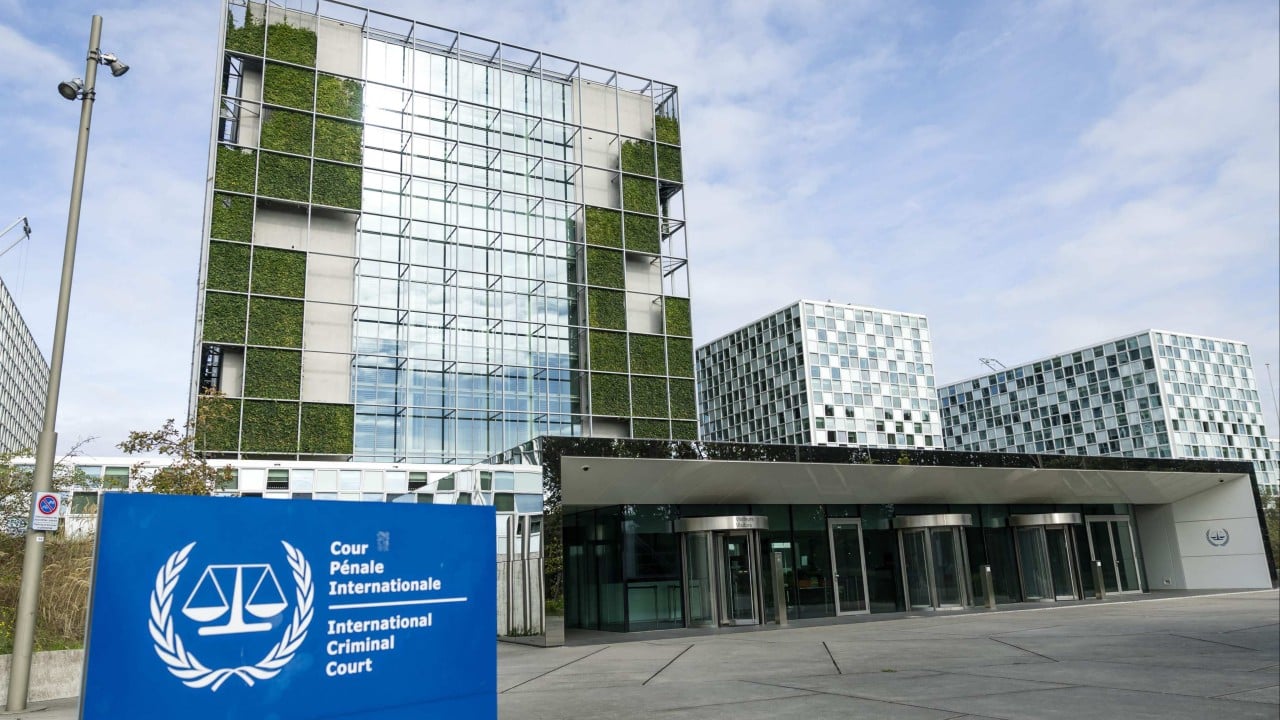
On Friday, the United States government imposed sanctions on the International Criminal Court (ICC), hours after the court's former judge, Navi Pillay, was awarded the Nobel Peace Prize. This move has put the US on a collision course with European allies. The ICC's deputy prosecutor, Nazhat Shameem Khan, condemned the sanctions and stated they would not stop the tribunal's work.
The Trump administration has consistently been critical of the ICC, previously sanctioning its prosecutors and judges. However, this latest move would go further, potentially penalizing companies that provide services to the court itself. Secretary of State Marco Rubio stated that President Trump would never allow the ICC to prosecute Americans, leading to the ban of transactions with the ICC and the cutting off of its resources.
Khan emphasized that the sanctions aim to undermine the rule of law internationally and the work of an independent judicial institution. Washington has been angered by ICC arrest warrants for Israeli officials, including Prime Minister Benjamin Netanyahu, and by past investigations into US soldiers in Afghanistan. The ICC, founded in 2002, has 125 member states, including all EU countries and NATO members, except the US and Turkey.
It has received strong support from some US allies. The prize committee cited Navi Pillay for her work in international criminal justice, noting that a judicial system holding war criminals accountable is crucial for a peaceful world. Rubio explained that the sanctions were designed to give the court and its member states a chance to address US concerns, promising a set of licenses to protect American interests.
The US has historically imposed targeted sanctions on ICC officials during Trump's first term, which were lifted under Biden. The administration announced the new sanctions shortly after returning to power in January 2025. The ICC's officials had anticipated such sanctions, transitioning to open-source software and adjusting banking and health insurance arrangements.
The ICC's registrar urged the EU to prepare for extraterritorial sanctions, while Rubio urged allies to support the US in restraining the court. He stated that if efforts to resolve the issue fail, the US will continue to adjust accordingly.
Written by urgent.news from South China Morning Post's reporting — not their text. Machine-written — may contain errors; check the original before relying on it.
This story
This is one outlet's version. Read the fullest account.