US green card freeze: Why tech workers may face a longer road to residency
Dubai: The US Department of Labor has suspended eight technology and IT services companies from the Permanent Labor Certification Program, known as PERM, on October 8. Vice President JD Vance and Labor Secretary Keith Sonderling announced the decision in Washington. The companies are Microsoft, Adobe, Cognizant, Infosys, Tata, Wipro, HCL Technologies and Capgemini. The department said that it…
The United States Department of Labor has temporarily suspended eight prominent technology and IT services companies from the Permanent Labor Certification Program (PERM) on October 8. These companies include Microsoft, Adobe, Cognizant, Infosys, Tata, Wipro, HCL Technologies, and Capgemini. The department has stated that it will stop accepting new PERM applications from these firms and halt processing of their existing cases while investigations proceed. This suspension is indefinite.
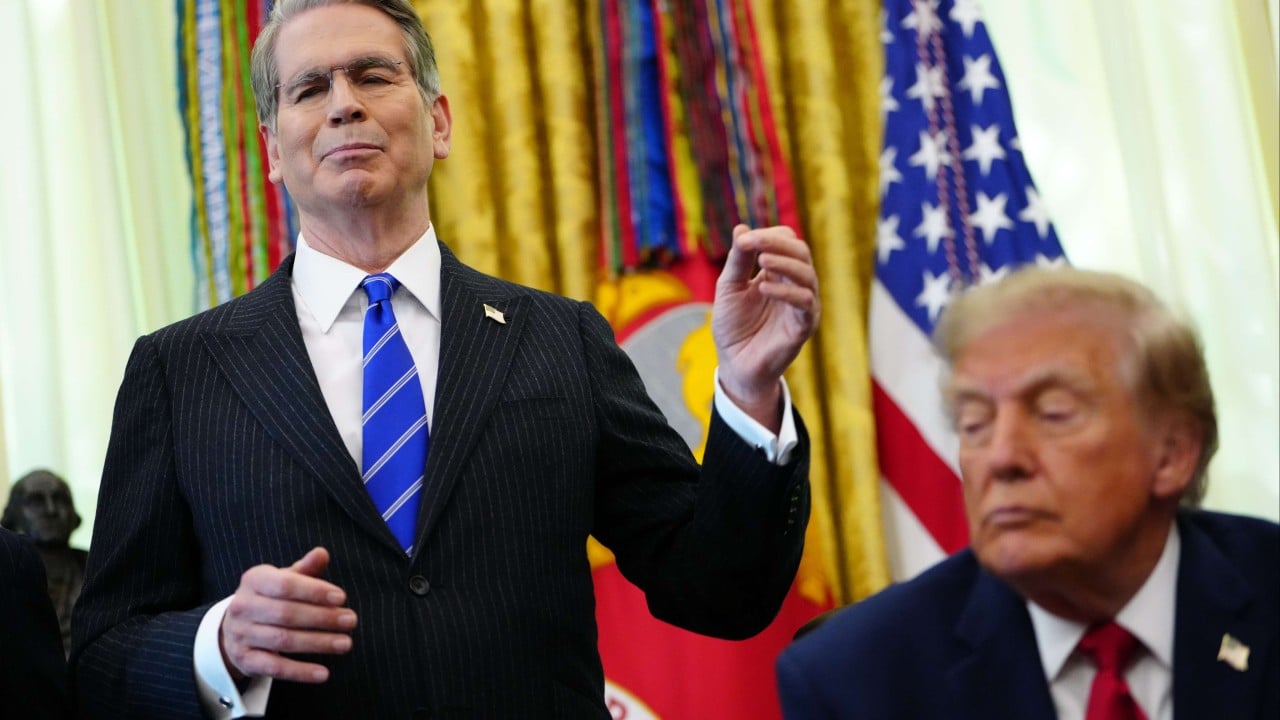
Vice President JD Vance and Labor Secretary Keith Sonderling announced the decision in Washington, citing wage suppression and worker displacement as the reasons behind the move. Vance accused Microsoft of profiting from PERM and H-1B visas last year while laying off thousands of American workers. The administration now wants companies to prioritize hiring American workers, rather than relying on PERM and H-1B visas.
The PERM program is the initial step in the most common route to obtaining a green card for employer-sponsored immigrants. An employer must demonstrate that no qualified US worker is available for the job before filing an immigrant petition. The suspension affects Indian IT firms, as many Indian tech companies like Infosys and Wipro saw their American depositary receipts fall by around 3% on October 8.
However, the stocks of these firms recovered by Friday morning as traders focused on their financial performance. Nasscom, India’s IT industry body, believes that the suspension is temporary and limited to one immigration pathway. It emphasizes that immigration and skilled talent mobility are two separate issues. Nasscom also notes that Indian technology companies have been reducing their dependence on H-1B visas and expanding local hiring in the US, resulting in relatively limited employee transitions from H-1B visas to permanent residency through the PERM process.
For tech employees, the immediate impact of the suspension is a halt in their PERM application process if they have not started it yet. Staff members with pending cases will face delays, and the administration has not yet clarified how it will handle their cases. With a large share of H-1B beneficiaries being Indians, this freeze creates uncertainty for those already facing long backlogs in employment-based green card categories.
Candidates receiving job offers from any of the eight affected companies should inquire about green card sponsorship before signing.
Employees in the United States should confirm with their HR representatives whether their employer has submitted a PERM application or has a pending case. They should also request written information from their employer on when they will file PERM and what will happen to their case if the suspension persists. For now, only the employees of the eight listed companies are exposed to this suspension.
However, workers outside these companies should also remain vigilant, as the enforcement efforts could impact employers beyond the mentioned companies.
Written by urgent.news from Gulf News's reporting — not their text. Machine-written — may contain errors; check the original before relying on it.