US charges Maduro and Cilia Flores with torture and repression in Venezuela
US federal prosecutors on Thursday brought new torture and repression charges against former Venezuelan president Nicolás Maduro and his wife, Cilia Flores, adding to the drug trafficking and narco-terrorism case both face in a New York court. The same day, the judge denied a request by Flores for house arrest on health grounds.
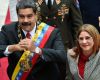
On Thursday, US federal prosecutors filed fresh charges of torture and repression against former Venezuelan president Nicolás Maduro and his spouse, Cilia Flores. This comes amid a narcotics and narco-terrorism trial they face in a New York court. The indictment alleges that between 1999 and 2025, Maduro, Flores, and their associates orchestrated a violent repressive regime in Venezuela, resulting in thousands of detentions, tortures, and deaths at the hands of state agents.
Maduro, the indictment claims, oversaw this system, ordered unlawful detentions and tortures of specific individuals, and received reports on certain prisoners. Flores, the document alleges, played a role in its development. The charges also implicate armed civilian groups called colectivos, the FARC guerrillas, and the Directorate General of Military Counterintelligence.
The new allegations are supported by testimonies from at least three former top officials of Maduro's government, identified by codenames, who claim they supervised or participated in tortures, including those of at least three US citizens. These included beatings, simulated drowning, and electric shocks. Former military intelligence chief Hugo Carvajal, a co-defendant in the drug case, has pleaded guilty and agreed to testify.
Maduro and Flores, who have been in custody since January 3 after a US operation in Caracas and are currently held at the Metropolitan Detention Center in Brooklyn, have pleaded not guilty to all charges. Their defense is seeking recognition of head-of-state immunity, which prosecutors dismiss, stating that the US never recognized Maduro as president and that the acting president, Delcy Rodríguez, has not sought their release or immunity through diplomatic channels.
The judge denied Flores's request for house arrest due to health concerns, citing an "extreme risk of flight" and her refusal of some medical tests. However, the judge did not close the door to re-evaluating the request if her health worsens. The UN Human Rights Council's fact-finding mission has documented numerous human rights violations in Venezuela since 2014.
Written by urgent.news from MercoPress's reporting — not their text. Machine-written — may contain errors; check the original before relying on it.