Untying the knot in Telangana, one childhood at a time
Despite a steady decline in child marriages in Telangana, the practice continues. Poverty, social pressures and family circumstances continue to place girls at risk of being married early, with consequences for their education, health and independence. Abhinay Deshpande examines the persisting issue and its impact on young lives
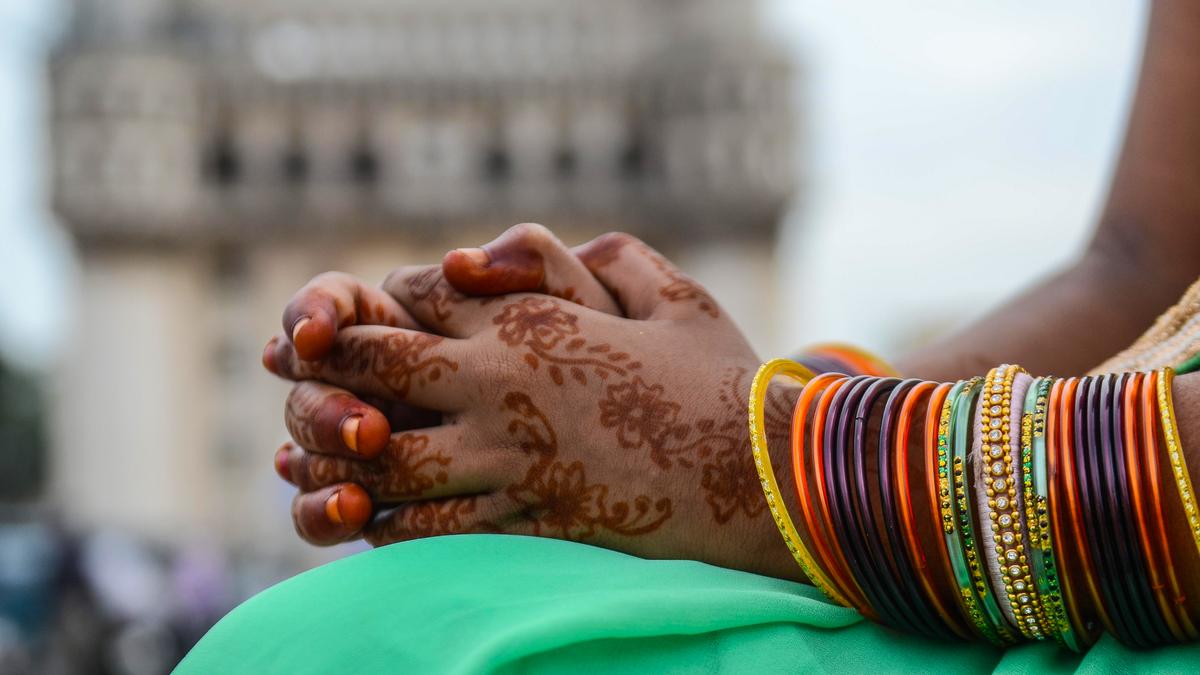
In Telangana, efforts to prevent child marriage are yielding results. Just last December, 15-year-old Tanya was preparing for what she believed would be a temple visit with her family, but was instead preparing for a potential marriage. Tanya, a Class VI dropout from a tribal community, is the sole provider for her family, working as an agricultural laborer and helping with household chores.
The man she was to marry was significantly older and worked in the banking sector. It was only after a customary meeting called pelli chupulu that her family decided to intervene and put a stop to the marriage. However, the underlying issues remain, with Tanya still responsible for multiple family duties while grappling with the desire to continue her education.
Similarly, 15-year-old Khushi faced a similar predicament. She was married off to a 40-year-old man running a toddy shop in a neighboring village. Although Khushi initially wanted to continue her schooling, financial hardships and manipulative circumstances led to her marriage. The groom allegedly raped her, resulting in police intervention and the prosecution of those involved.
The case came to light when Khushi informed her school principal about her mother's threats to send her back to her husband if she did not assist with household chores.
Child marriage prevention in Telangana relies heavily on the involvement of external parties, such as school principals and helplines, which often recognize the risk and intervene. Poverty, patriarchal attitudes, caste considerations, family honor, and restrictions on adolescent girls are significant contributing factors. Government schemes and interventions, such as financial assistance and educational support, aim to keep girls in school, but stopping a marriage does not guarantee the removal of all pressures leading to child marriage.
The Telangana government has set a goal to change the mindset of parents and relatives, aiming to prevent child marriage from ever being considered in the first place.
Written by urgent.news from The Hindu's reporting — not their text. Machine-written — may contain errors; check the original before relying on it.