UK sanctions three crypto exchanges tied to Russian illicit funds
The UK sanctioned crypto exchanges and payment processors, some of which were tied to thousands of Russian entities and the sanctioned HTX exchange.
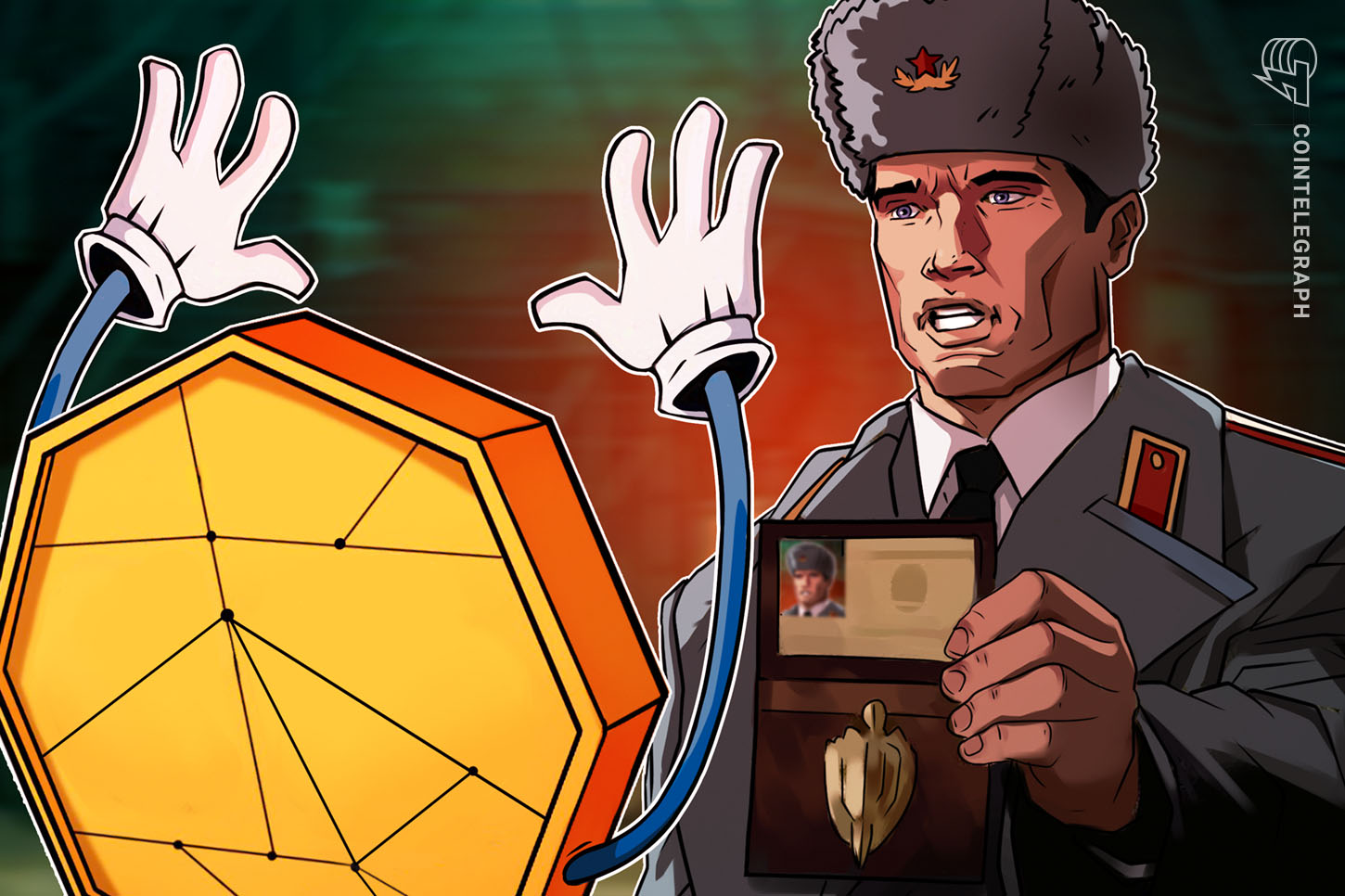
The UK has imposed sanctions on three cryptocurrency exchanges and two payment platforms, alleging they were used to help Russian entities avoid financial restrictions. Among the sanctioned entities were Kyrgyzstan-based services and a Kremlin-backed network called A7. The UK government claims these platforms facilitated transactions exceeding $90 billion last year, constituting nearly half of Russia's annual military spending.
Blockchain analytics firm Chainalysis discovered that two of the blocked payment processors, Cryptomus and Heleket, had received funds from thousands of illicit parties, peaking at 900 entities in a single month in late 2025. Another sanctioned platform, TokenSpot exchange from Kyrgyzstan, was also linked to the A7 network. According to Chainalysis, TokenSpot, alongside Grinex and Meer, received over $308 million from a single deposit address associated with the sanctioned exchange HTX.
In May, UK authorities also sanctioned Huobi Global, the operator of crypto exchange HTX, although the exchange and its user funds remained unaffected. TokenSpot, Cryptomus, and Heleket have been approached for comment on the sanctions. Despite Western sanctions, the Russian ruble-backed A7A5 stablecoin processed $110 billion in onchain transactions up to June, continuing to expand. Italy's central bank has also mandated sanctions screening for crypto transfers.
Written by urgent.news from Cointelegraph's reporting — not their text. Machine-written — may contain errors; check the original before relying on it.