Trump offers Iran path to nuclear deal while keeping up military pressure
Iran has previously discussed compromises on enrichment.
Donald Trump's surprising decision to import Russian fuel into the United States marks a significant shift from his previous stance. Just three weeks prior, Trump had signed legislation to authorize new sanctions and tariffs on countries importing Russian oil and gas. Now, it appears that Russian President Vladimir Putin has agreed to supply substantial quantities of diesel fuel to the US and global markets in the coming months.
This development comes amidst Trump's ongoing struggle with the political repercussions of the Iran war and its effects on global energy prices as voters prepare to cast their ballots in the midterm elections.
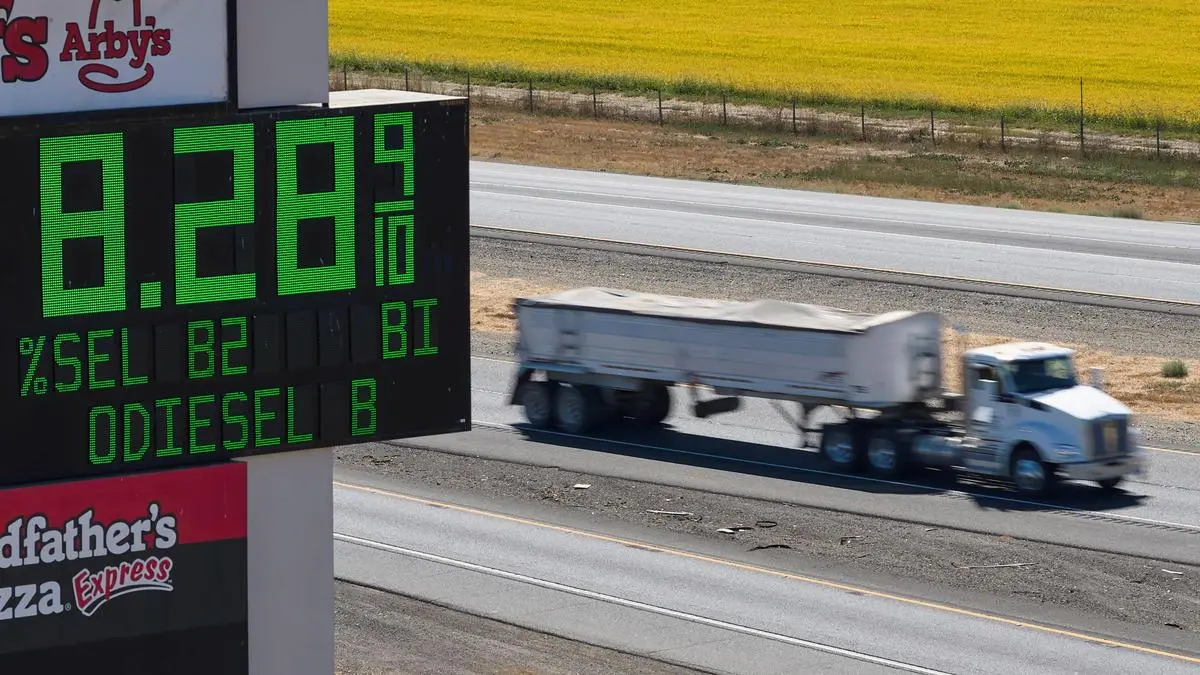
The surge in fuel prices across America has taken a toll on public opinion, which has been affected by the higher costs at the pump and the subsequent economic impacts leading to widespread inflation. The conflict has particularly affected US agricultural states that heavily rely on diesel for farming machinery and transportation of their products to markets.
These states, including Iowa, Kansas, Texas, and Ohio, have emerged as unexpected battlegrounds in the upcoming elections that will decide whether Republicans maintain control of Congress.
In an effort to mitigate the political damage, Trump has pursued various strategies, including urging European allies to tap into their oil reserves, deferring federal taxes on fuel, and exempting supplies designated for agricultural use from federal taxes for use in interstate trucking. He has also pledged not to renew attacks on Iran until after the midterms, acknowledging the political implications of the ongoing conflict.
However, the specifics of how Russia will supply the fuel to the global market and what they may receive in return – aside from much-needed hard currency – remain unclear, potentially drawing criticism from allies and American politicians who could argue that the administration is inadvertently funding the Russian war machine. Ukrainian President Volodymyr Zelensky labeled the deal as a "gift" to Putin that Russia would repay with "terror and perfidy," emphasizing that prolonging the war is undesirable.
It remains uncertain how effective Trump's move will be in supporting Republicans during the midterm elections. While European allies have not seen significant changes in energy prices, and there is limited information on the speed at which Russian fuel could enter the market, the US consumes roughly 3.6 million barrels of diesel daily.
Even if Russia delivers the promised 300,000 tons in the current month, it would account for approximately half of the daily US consumption. Consequently, Americans may not notice a substantial immediate improvement. With less than a month remaining before the November midterm elections, early voting has already commenced in many states.
The political landscape is largely set, leaving Trump hoping that his latest deal will convincingly demonstrate to American voters that his promise of imminent economic relief is more than mere rhetoric.
Rewritten by urgent.news; may contain errors — check the original.
Sources: hindustantimes.com · bbc.co.uk · pbs.org · theguardian.com · al-monitor.com · kyivpost.com · meduza.io · smh.com.au and 1 more
This story
This is one outlet's version. Read the fullest account.
- Zelenskyy furious as Trump announces deal to buy Russian diesel theguardian.com
- News Wrap: Trump announces diesel deal with Russia pbs.org
- ‘We’re being used as a front,’ Zelensky says of Trump’s diesel deal with Putin meduza.io
- Zelensky: Ukrainian Peace Team in Florida Used as ‘Smokescreen’ for US-Russia Diesel Deal kyivpost.com
- Trump strikes deal with Putin for Russian diesel theage.com.au
- Trump strikes deal with Putin for Russian diesel smh.com.au
- Analysis: Trump's shock Russia deal highlights mounting pressure to curb fuel prices bbc.co.uk
- Zelensky questions Trump's Russia diesel deal, calls it an 'investment in war' hindustantimes.com