This AI-powered brain implant hints at the future of human interaction
For the first time, a single brain implant can now read a paralyzed person’s attempts to speak and gesture at the same time, turning them into text and the gestures of a digital avatar. According to the research paper published in Nature, the device uses artificial intelligence models to read the brain and transform its impulses into speech and body language. Current brain-computer interfaces…
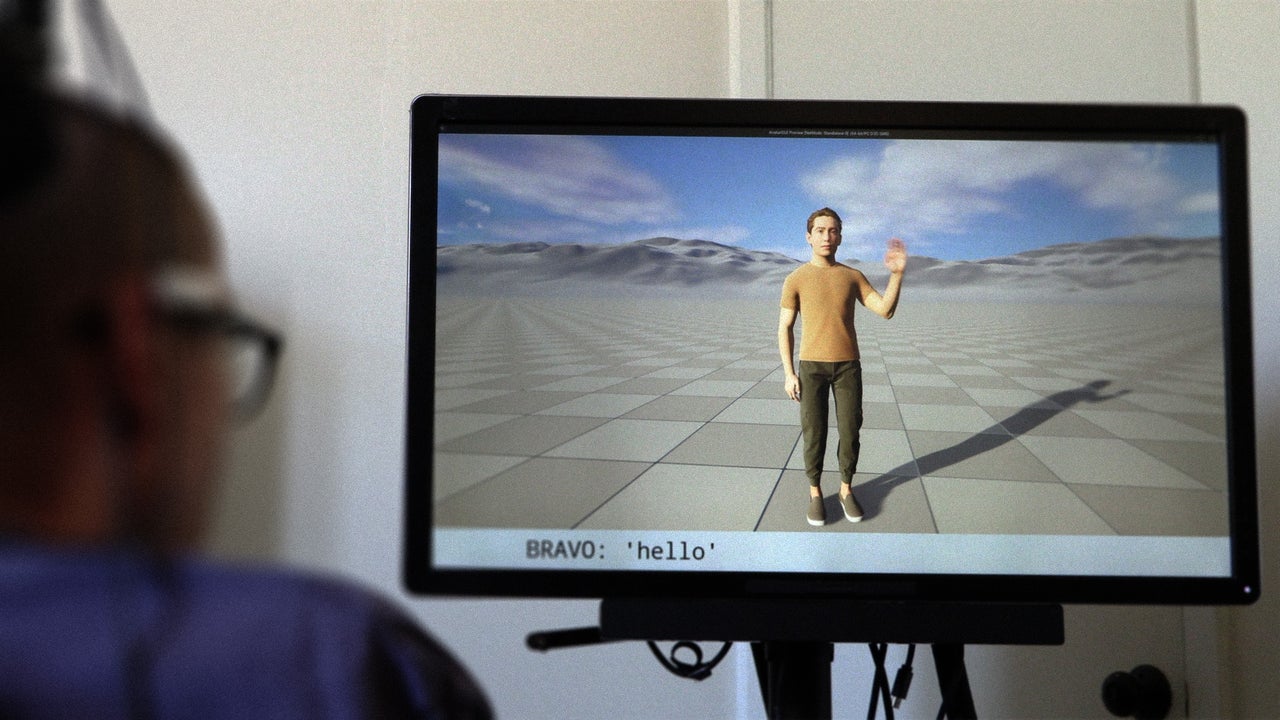
For the first time, researchers at the University of California, San Francisco (UCSF) have developed a single brain implant capable of simultaneously reading a paralyzed individual's attempts to speak and gesture. This groundbreaking technology, described in a study published in Nature, employs artificial intelligence to translate the brain's electrical impulses into text and the movements of a digital avatar.
While current brain-computer interfaces (BCIs) can decode either speech or gestures at a time, the UCSF team's innovation addresses the overlapping areas in the brain responsible for both speech and body movements. By training their models on both speech and gesture data simultaneously, the researchers achieved better accuracy and performance compared to models trained on either type of data individually.
The system is still in its early stages, working with small vocabularies and limited participants, but it demonstrates a promising direction for future advancements. The ultimate goal of the UCSF team is to create a "whole-body BCI" that can restore multiple forms of communication and movement, allowing users to interact more naturally with their environment.
This could involve controlling a virtual avatar, assistive technologies, or a physical robotic surrogate. While the current version of the implant is imperfect, it represents a significant step forward in providing a more flexible communication and interaction experience for individuals with paralysis.
Rewritten by urgent.news; may contain errors — check the original.
Sources: fastcompany.com · medicalxpress.com