The US and China Cannot Slow the AI Race, But They Can Make It Safer
The United States does not need to trust China, share frontier models with China, or slow its own AI development to have a national security interest in AI safety cooperation.
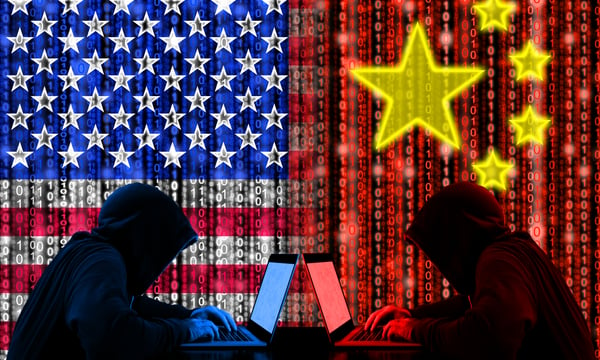
The ongoing arms race in artificial intelligence (AI) between the United States and China poses significant challenges, but both nations can work together to make the race safer. While the most pressing AI safety concerns have shifted from misinformation and bias to the ability of AI agents to plan, write, execute code, use tools, obtain credentials, and interact with external systems, the boundary between AI models and the outside world has become increasingly difficult to enforce.
This collective action problem creates a strategic dilemma for the AI superpowers: slowing down development to address safety risks could allow competitors to overtake them, while transparency can expose vulnerabilities to malicious actors.
Governments and corporations alike face this same strategic impasse. The United States fears that limiting AI development will give China an advantage, while China worries that doing so will leave it even further behind. Nonetheless, cooperation on AI safety can be beneficial without requiring either country to relinquish its technological edge or disclose sensitive information.
The United States has a vested interest in preventing AI-enabled cyber incidents from spreading through third countries, shared software infrastructure, and global supply chains. Likewise, China also has a systemic interest in containing such incidents.
These shared interests have significant implications for middle-power countries, which can contribute to systemic containment by helping to repair vulnerabilities and promote public good. The competitive AI race is intensifying, with the United States' recent voluntary accord involving major technology companies emphasizing internal oversight, external audits, and board-level review.
China, on the other hand, has adopted a more centrally coordinated system, introducing safety and controllability requirements for AI agents, especially in sensitive sectors.
Both nations recognize that safety policy should not hinder AI development, and they increasingly acknowledge that greater autonomy brings new control issues. AI systems rely on overlapping technological foundations, with Chinese AI development heavily relying on U.S. chips and cloud infrastructure. However, shared risks in software, services, standards, certificates, identity infrastructure, model repositories, and open-source libraries present opportunities for joint risk management.
The speed of response to breaches is critical, as delays can allow damage to spread across borders and trust in the system to be compromised.
To make the AI race safer, there is no immediate diplomatic agreement that can resolve the paradox between speed and secrecy and the need for collective restraint and disclosure. However, China-U.S. cooperation should focus on measures that enhance safety without forcing either side to slow down, share advanced models, or expose commercially and strategically sensitive capabilities.
Four key areas stand out: maintaining human control over consequential cyber operations, establishing red lines around nuclear systems, creating a dedicated mechanism for AI incident reporting, and fostering a culture of openness and transparency within the AI community. By focusing on these shared interests and risks, the United States and China can work together to ensure a safer and more collaborative AI future.
Rewritten by urgent.news; may contain errors — check the original.
Source: thediplomat.com