The shockingly easy fix for your Gmail low-storage nightmare
It’s no exaggeration to say that cloud storage has changed the way we work—and, to some extent, even the way we live. Gone are the days of having your mountains of saved emails exist only on a single local system, without easy instant access from any device in front of you—and dealing with the all-too-common reality of losing your entire email archives when something goes awry. Gone are the days…
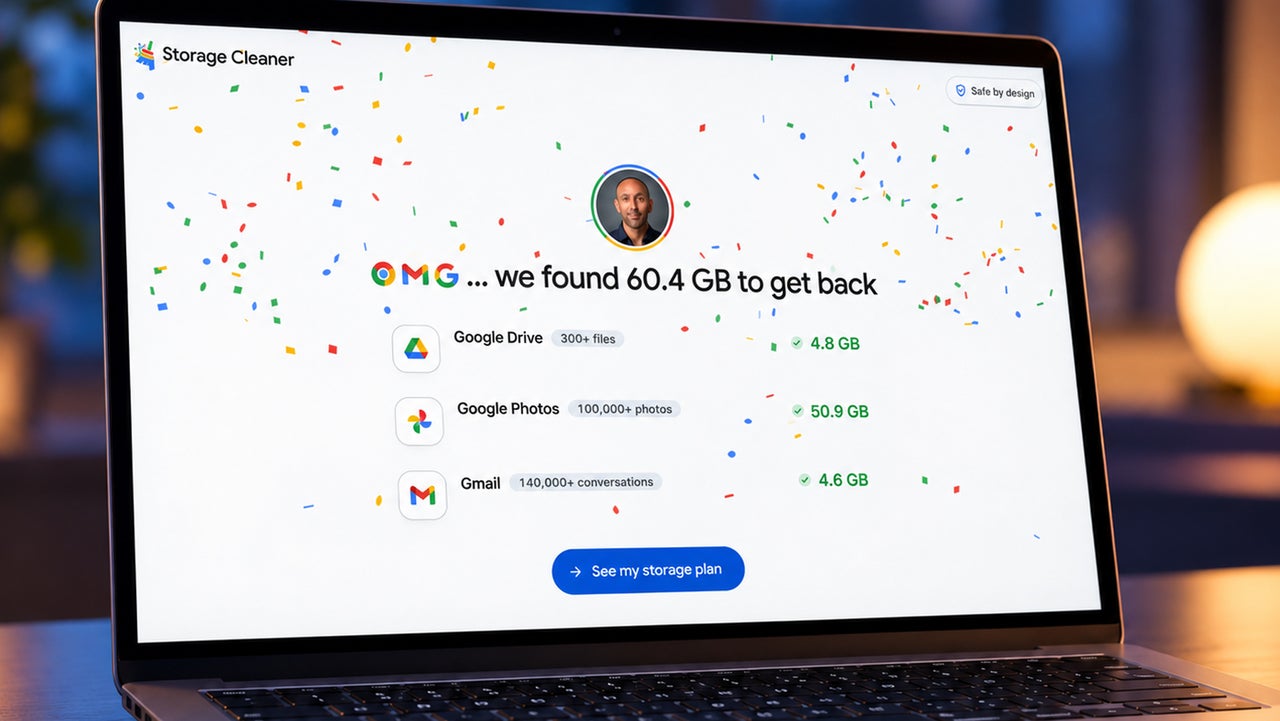
The story of Gmail and its storage limitations is a common one in today's digital world. With the rise of large files like photos and videos, as well as the accumulation of emails and duplicate downloads, the cost of keeping everything in the cloud can quickly add up. This is especially true for services like Gmail, Google Drive, and Google Photos, where storage space is limited.
One man, Yair Levin, faced this issue firsthand. His mother-in-law would call him annually to complain about her full email account, spending several hours together sifting through her inbox and files to free up space. This led Levin to realize that he wasn't alone in his struggle with cloud storage limitations. He wanted to find an easier way to identify and remove unnecessary items without incurring recurring fees.
Levin, who has a background in fintech and investing, set out to create a solution. He developed a tool called Google Storage Cleaner, which is essentially a Chrome extension. This tool scans your entire Google cloud storage, including Gmail, Drive, Photos, and other services, and provides a detailed breakdown of what files can be safely removed. The cleaner allows users to customize parameters to avoid deleting anything important, such as precious family photos or essential work documents.
In essence, Google Storage Cleaner democratizes the process of managing cloud storage, making it accessible to users who may not have the technical know-how to tackle these issues on their own. The tool is available for a one-time fee of $5, making it an affordable solution for anyone looking to save on Google storage costs.
Written by urgent.news from Fast Company's reporting — not their text. Machine-written — may contain errors; check the original before relying on it.