The IMF and World Bank will see a different Thailand after Bangkok’s floods — Phar Kim Beng and Vic Li
OCTOBER 9 — When the International Monetary Fund and World Bank gather in Bangkok for their Annual Meetings on Oct...
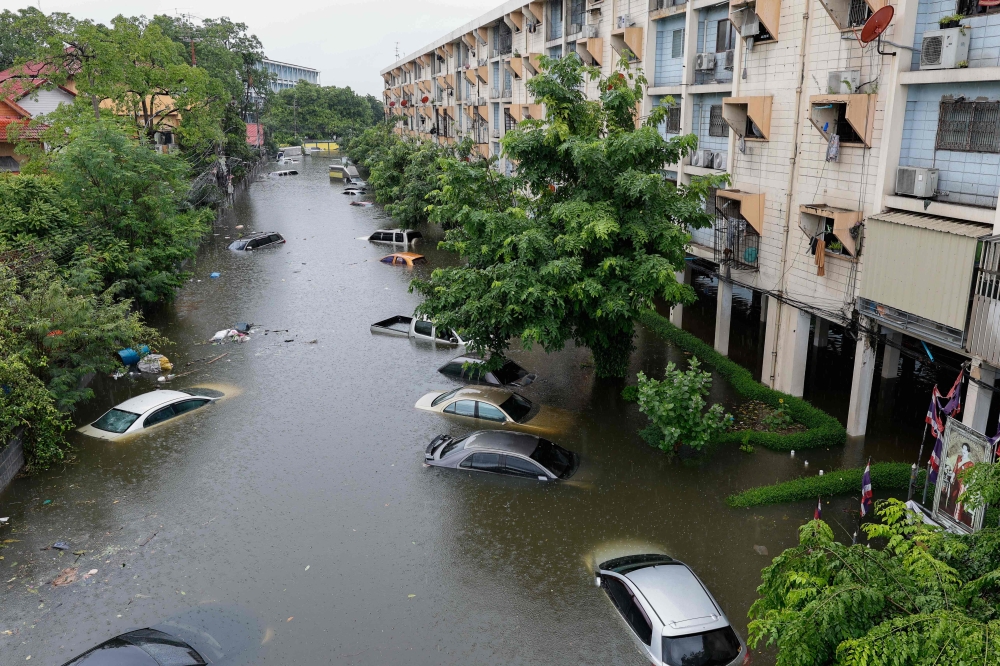
The International Monetary Fund (IMF) and World Bank are set to convene in Bangkok for their Annual Meetings from October 12-18. One major topic of discussion will be how Thailand can safeguard its households, businesses, and infrastructure following devastating flooding. In stark contrast to the 1991 gathering, when Thailand showcased rapid industrialization, foreign investment, and Southeast Asian economic growth, this year's challenge is to protect the nation's foundations against costly disruptions.
Early estimates suggest economic losses from interrupted activity amount to 0.1-0.2 percent of GDP, though asset damage could be significant. While a modest GDP hit does not necessarily spell a minor economic shock, floods inflict additional financial and production disruptions that can undermine recovery. Homes, vehicles, shops, inventories, and machinery may require repairs or replacement, leading to income loss and unexpected expenses for businesses.
Workers might struggle to reach workplaces, and families must replace essential possessions before their finances recover. Even as production and spending resume, households burdened by debt may need additional loans, depleted savings, or postponed spending to recover financially. The disruption has extended beyond flooded areas, with Thailand's Commerce Ministry restricting egg exports due to damaged poultry farms.
While GDP recovery is crucial, the IMF and World Bank should consider whether households and small businesses can rebuild without becoming more financially fragile. The IMF's February assessment advocates for targeted assistance alongside a sound medium-term fiscal strategy and measures to rebuild fiscal buffers. Instead of prioritizing emergency relief over long-term prevention, the focus should be on targeting assistance, protecting vulnerable households, and preventing repeated emergencies from stifling investment that could mitigate future losses.
This requires distinguishing three tasks: repairing current damage, enhancing households' recovery ability, and reducing exposure to future disasters. While infrastructure investments may prioritize scale and expenditure, their effectiveness should be measured by whether they minimize losses, maintain essential networks, and shield exposed communities.
The IMF and World Bank can collaborate to ensure targeted recovery assistance and preventive investments align with a credible medium-term fiscal plan. The approval of the 160-billion-baht Chai Nat-Pa Sak-Gulf of Thailand flood-diversion canal, aimed at reducing flooding over an area of 5,568 square kilometers, represents a vital step forward.
However, its success depends on establishing clear implementation milestones, assigning responsibilities, and publicly reporting progress. International support can bolster this initiative, but both institutions must demonstrate how their support will contribute to tangible outcomes.
Written by urgent.news from Malay Mail's reporting — not their text. Machine-written — may contain errors; check the original before relying on it.