The Failings of Public Execution
Livestreaming the death of Nidal Hasan might not have the effect that Donald Trump and Pete Hegseth intend.
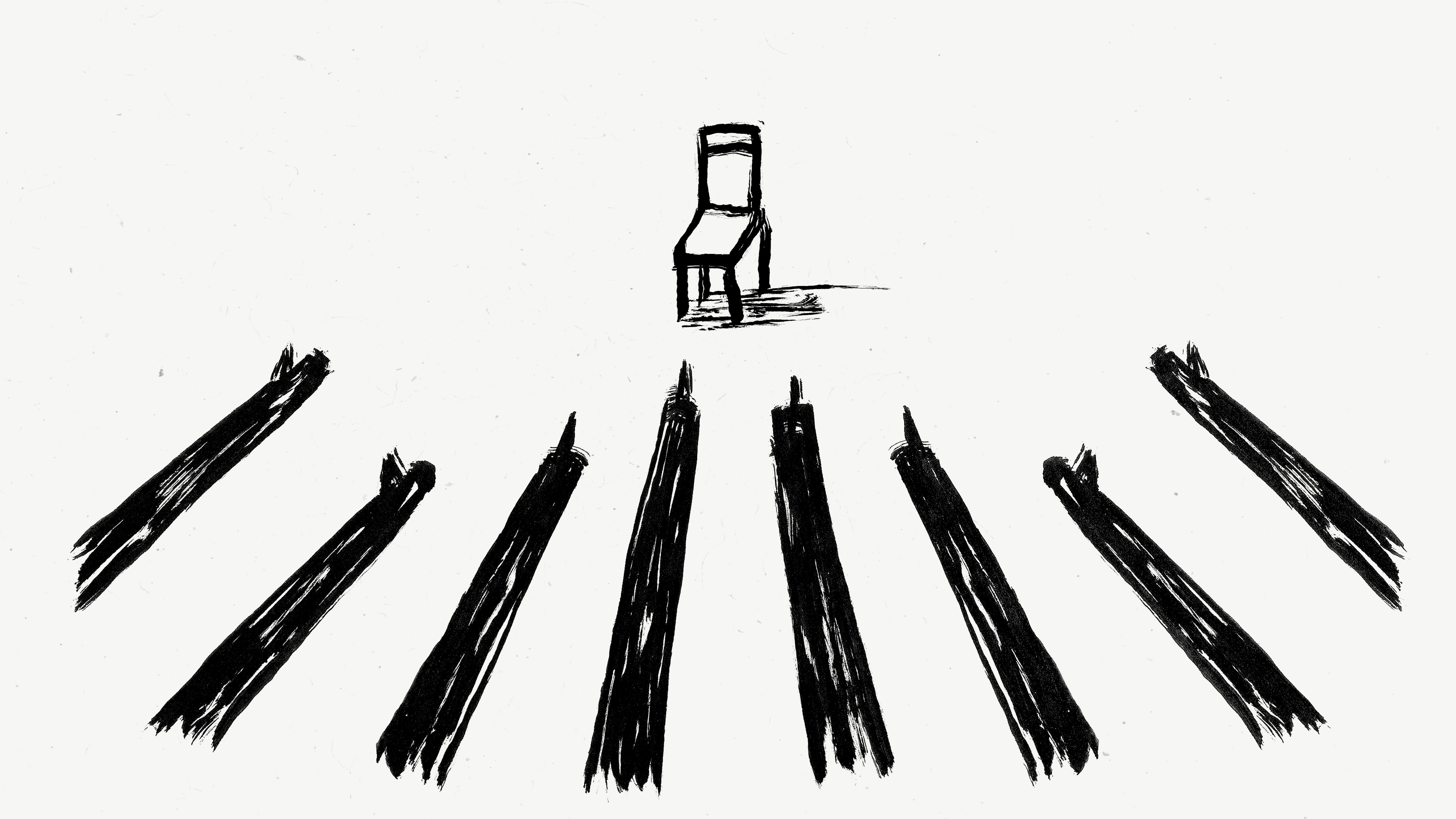
In the past, executions in America were typically public affairs. Prisoners were hanged on a gallows and the proceedings attracted large crowds of spectators who watched the execution as it unfolded. The process involved a procession of officials, the reading of the death warrant and often, a sermon by a minister. The condemned prisoner was given the opportunity to speak and the crowds could even engage with him, asking questions or offering prayers.
However, this practice ceased in the 19th century due to its association with proletarian barbarity. Despite the intention to deter crime and promote Christian values, executions often did not have the desired effect. Onlookers would cheer or sympathize with the condemned and some even protested the prisoner's innocence. This backfired and critics took note of the volatile, vulgar and unruly crowds that attended these events.
Military executions, traditionally carried out in small, controlled settings, have also evolved. The last military execution in the United States was carried out in 1961. Presently, President Trump has authorized the first public execution in 90 years. The condemned prisoner, Nidal Hasan, a military psychiatrist, is set to be executed by the military on December 3, and the execution will be livestreamed.
Hasan's execution is intended to send a message to those who may be tempted by his worldview, but this strategy may backfire and lead to unintended consequences.
There are several reasons why this method of punishment may not deter others. First, those who commit political murders already know the severe consequences and have deemed it acceptable. Second, deterrence is more effective when the certainty of getting caught is high, which is not the case in American homicide investigations. In 2023, the nationwide case-clearance rate for murder was only 58 percent, meaning that murderers have a good chance of evading justice.
Even if they are caught, they have a good chance of avoiding the death penalty - only 23 new death sentences were handed down in 2025.
Adding a livestreamed element to the execution may intensify the intended deterrent effect, but it could also have opposite consequences. While some Americans may enjoy the spectacle of a public execution, others may view it as a disgusting violation of human rights. It may also portray the United States as being in league with barbaric nations like Saudi Arabia, Iran, and China.
Alternatively, it may even lead Hasan to be seen as a martyr, and the United States as a savage country not worth defending - a narrative that Hasan himself has presented.
Written by urgent.news from The Atlantic's reporting — not their text. Machine-written — may contain errors; check the original before relying on it.