Saudi Arabia forecasts above-average rainfall through November, temperatures up to 3°C higher
RIYADH — Saudi Arabia is expected to experience above-average rainfall across most regions in October and November, while temperatures are forecast to remain higher than normal nationwide through December, according to the National Center for Meteorology (NCM).The NCM said its climate outlook for October to December 2026 indicates above-normal rainfall across most of the Kingdom in October and…

Saudi Arabia and the UAE have pledged their support to a Japan-led initiative aimed at enhancing oil supplies and strategic reserves in Southeast Asia, amid growing concerns over vulnerabilities in the region's energy supply chains. This comes in the wake of the US-Iran conflict, which has triggered significant disruptions to global energy markets, notably the closure of the Strait of Hormuz, leading to a spike in crude and refined fuel prices and sparking fears about the availability of these resources across Asia.
During a special session of the Asia Zero Emission Community (AZEC) in Manila, officials from the two Gulf producers joined ministers from 11 partner countries, including Japan, Indonesia, and Australia, to deliberate on cooperation in oil procurement and emergency reserves. Japan's State Minister of Economy, Trade, and Industry, Takagi Kei, announced that both Saudi Arabia and the UAE expressed their readiness to collaborate on bolstering oil stockpiling capacity in Asia.
The participating nations agreed on a ministerial work program focused on expanding oil storage capacity and enhancing their capacity to respond to supply disruptions.
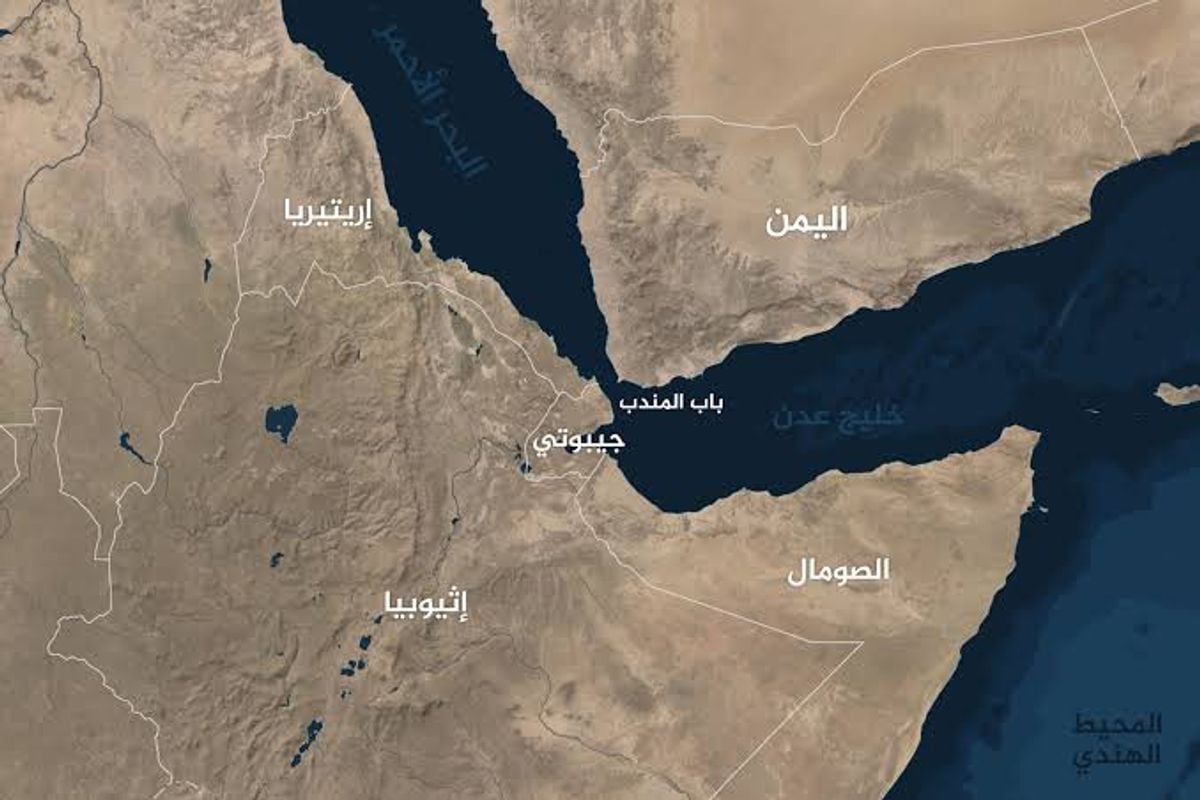
The push for greater energy security in Asia is particularly pertinent for Southeast Asian economies, which are heavily reliant on imported crude oil. Prior to the conflict, over half of the region's crude oil imports originated from Persian Gulf producers, while Japan sourced approximately 90% of its oil from the same region. The Strait of Hormuz has emerged as a critical choke point, with its closure during the conflict driving up oil costs and raising concerns over the availability of essential energy resources.
In response, Japan has provided $10 billion in financial aid to Southeast Asian countries to help them manage higher crude prices and supply disruptions. This assistance covers areas such as oil purchases, storage infrastructure, and emergency reserves, as Tokyo seeks to bolster the region's ability to withstand future supply shocks. Philippine Energy Secretary Sharon Garin emphasized the importance of strengthening collective preparedness against energy supply shocks following the recent disruptions.
The proposed framework could also open up new commercial opportunities for Saudi Arabia and the UAE, enabling them to establish more direct supply arrangements with Asian oil buyers. By positioning additional crude closer to key Asian markets, these Gulf producers could enhance their relationships with importing countries while simultaneously addressing concerns over supply vulnerabilities.
However, the high cost of replenishing stockpiles, exacerbated by oil prices exceeding $100 per barrel, remains a challenge for many countries in the Association of Southeast Asian Nations (ASEAN), where reserves are relatively limited.
For the Gulf exporters, closer cooperation on oil storage and procurement could further solidify their positions in Asia, a significant destination for Middle Eastern crude. This initiative also reflects a broader reassessment of energy security in the region, as governments strive to fortify emergency supplies and minimize exposure to future supply shocks.
Additionally, the UAE and Saudi Arabia have stepped up their support for the Philippines' oil security, while Japan and South Korea are set to launch a new energy cooperation framework. Meanwhile, Australia is poised to establish a national fuel stockpile of one billion liters, all aimed at safeguarding supply chains against potential disruptions.
Rewritten by urgent.news; may contain errors — check the original.
Sources: gulfnews.com · nst.com.my · saudigazette.com.sa · dailytimes.com.pk
This story
This is one outlet's version. Read the fullest account.