Saudi Arabia and UAE endorse Japan’s Asian oil initiative
Saudi Arabia and the United Arab Emirates have pledged support for a Japanese initiative to strengthen oil supplies and strategic reserves across Southeast Asia, as disruptions caused by the Middle East conflict intensify concerns over regional energy security. Representatives of both Gulf producers attended a special session of the Asia Zero Emission Community (AZEC) in Manila on Thursday,…
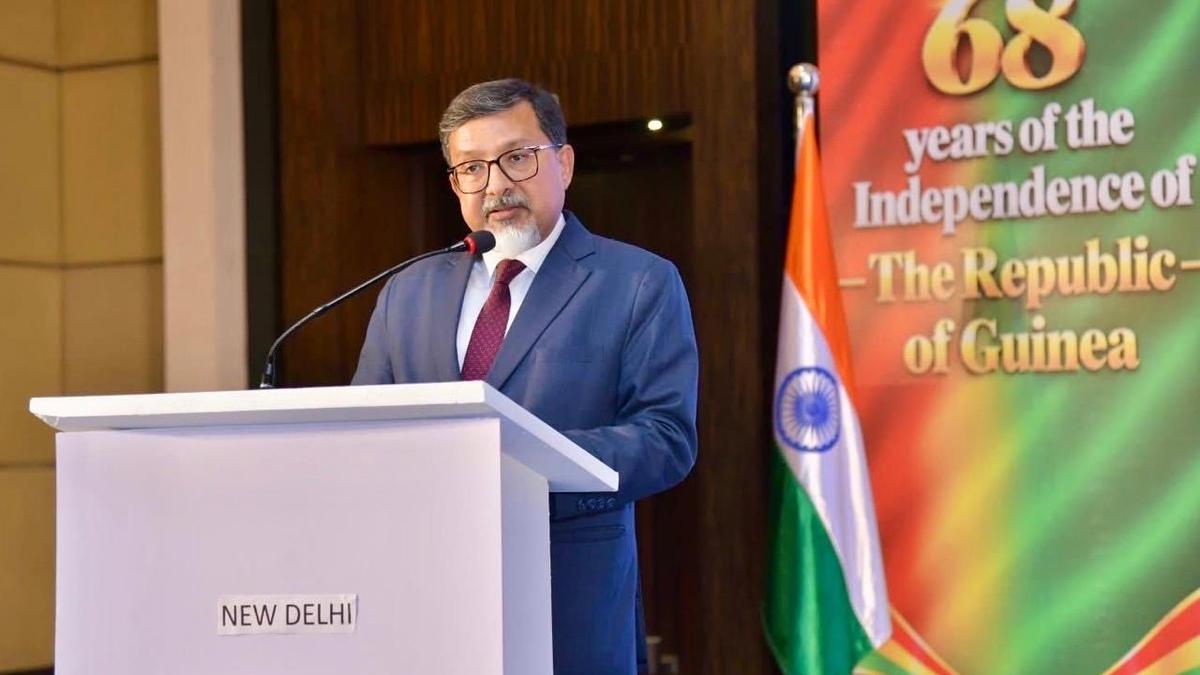
Saudi Arabia and the United Arab Emirates have endorsed Japan's initiative to bolster oil supplies and strategic reserves in Southeast Asia, amid escalating concerns over regional energy security due to Middle Eastern conflicts. Both Gulf producers participated in a special session of the Asia Zero Emission Community (AZEC) in Manila, alongside ministers from 11 partner nations.
Japan's State Minister of Economy, Trade and Industry, Kei Takagi, highlighted the Gulf states' readiness to collaborate on enhancing Asia's oil stockpile capabilities. The participating nations agreed on a work program focused on increasing petroleum reserves and enhancing resilience to future supply disruptions. This cooperation follows Asian governments' efforts to safeguard against crude shipment interruptions following tensions involving Iran, the United States, and Israel.
Takagi emphasized that Saudi Arabia and the UAE's involvement would bolster energy security by integrating major crude exporters into discussions primarily centered around Asian importers. Japan aims to establish closer ties between Middle Eastern suppliers and Asian consumers, potentially allowing producing countries to maintain crude inventories closer to key markets.
However, specific commitments regarding additional crude volumes, storage investments, or implementation timelines have not been publicly confirmed. Japan has also proposed $10 billion in financial assistance through its POWERR Asia initiative to aid Asian countries in financing energy purchases, expanding storage facilities, and establishing emergency reserve systems.
With more than half of Southeast Asia's crude imports previously originating from the Middle East, the region's vulnerability to supply shocks was evident during the Hormuz Strait disruptions, affecting deliveries to Asia's refineries and distributors. Nine Southeast Asian nations, alongside Japan and Australia, have endorsed the development of national stockpiling systems and voluntary regional reserves, though operational details are still under negotiation.
Japan has offered technical expertise to Saudi Arabia and the UAE on strategic petroleum reserve management, emergency releases, and institutional arrangements. The broader AZEC framework seeks to combine energy security with the promotion of cleaner technologies and the reduction of dependence on vulnerable fuel supply chains.
Rewritten by urgent.news; may contain errors — check the original.
Sources: tribune.com.pk · dawn.com · thearabianpost.com