Sacred splashes: ancient Chinese ritual of ‘elephant washing’ for good fortune
In ancient China, royal families washed elephants to pray for good fortune – until one elephant went rogue and brought the tradition to an end. Elephants had been spotted and documented in China as early as 4000 BC. They are believed to have once been familiar animals in the Central Plains before gradually migrating south to more remote regions. From the Han dynasty (202 BC–220), elephants were…
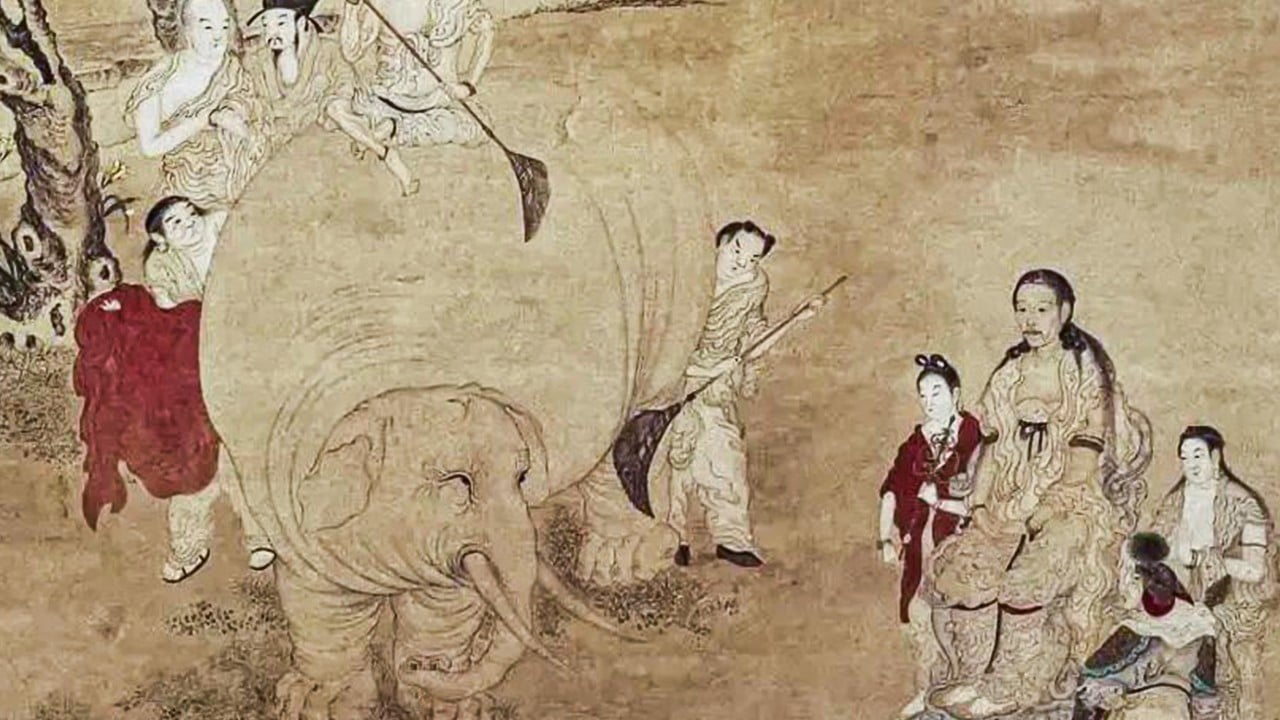
The ancient Chinese ritual of "elephant washing" or "xi xiang" was a tradition rooted in the belief that washing elephants would bring good fortune to royal families. This practice dates back to at least 4000 BC, with elephants being spotted and documented in China during this time. Over the centuries, elephants were presented as tribute to the royal court and became an integral part of the imperial honor guard, symbolizing royal majesty in ceremonies.
The tradition of washing elephants gained prominence during the Ming and Qing dynasties, with the event taking place annually during the dog days of summer. However, the ritual came to an end in the late Qing dynasty after an elephant went rogue during a parade in 1884, causing damage and ultimately leading to the court abandoning the practice.
Brief written by urgent.news from South China Morning Post's own syndicated text. Machine-written — may contain errors; check the original before relying on it.