Revealed: the ‘black box’ wastewater trade that rakes in millions for UK utility companies
Exclusive: Firms made more than £340m last year from processing industrial and commercial wastewater at sewage works that are unable to remove many chemical pollutants Water companies in the UK made more than £340m in revenue last year by pouring billions of litres of industrial and commercial wastewater into sewage treatment works that experts say are not designed to remove most chemicals,…
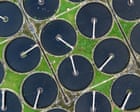
UK water companies have generated over £340 million in revenue last year by allowing industrial companies to discharge wastewater containing numerous hazardous chemicals into sewage treatment facilities, a system experts have labeled a "black box." These facilities, primarily equipped with biological treatment systems, are incapable of removing most industrial chemical pollutants such as flame retardants, PFAS, solvents, and pharmaceuticals.
The water companies themselves issue and enforce these permits, known as "trade-effluent consents," without any central oversight or regulation. The investigation by Watershed Investigations, the Guardian, and River Action uncovered 26,000 consents, which collectively permit the discharge of an estimated 608 billion liters of industrial wastewater annually.
Major water companies such as United Utilities and Yorkshire Water reported substantial revenues from industrial wastewater, while others did not disclose full figures. The pollutants that survive treatment are released into water bodies, while those captured in sewage sludge are used as fertilizers on farmland. This waste contributes to the overloading of sewer networks, leading to raw sewage spills that have sparked outrage and protests.
The outdated permit regime and lack of independent oversight have led to concerns that water companies are financially incentivized to accept more toxic materials than they should. Environmental regulators and industry experts have called for the creation of a dedicated liquid-waste treatment sector to address these failures and hold polluters accountable.
Rewritten by urgent.news; may contain errors — check the original.
Source: theguardian.com