Restaurant workers are being exposed to dangerous heat and pollution from gas stoves: study
When you cook at home on a gas stove , you’re releasing hazardous pollutants into your air. So what does that mean for restaurant workers, who can spend hours in front of powerful commercial gas ranges? Those workers are being exposed to harmful air pollution levels, as well as dangerously high temperatures, that exceed safety guidelines and regulations, a new study found . However, the…
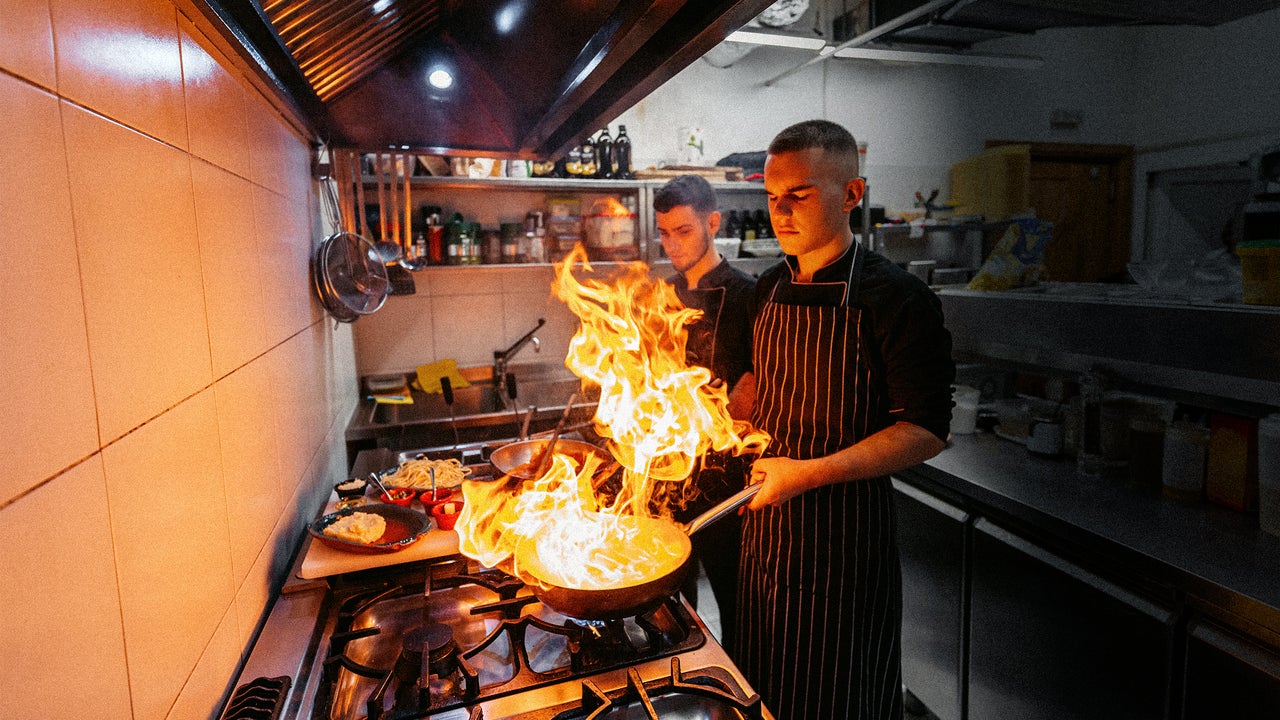
A new study published in Environmental Research Letters reveals that restaurant workers are exposed to dangerous levels of heat and pollution from gas stoves. The research, conducted by PSE Healthy Energy in collaboration with Stanford Doerr School of Sustainability and New York University’s Grossman School of Medicine, examined air quality and temperature in 27 commercial kitchens across California, Pennsylvania, and New York. Twenty-four of these kitchens used gas or propane appliances, while three were fully electric.
The study found that temperatures in gas kitchens exceeded safety guidelines, with over two-thirds of the gas kitchens reaching temperatures above the Occupational Safety and Health Administration's (OSHA) proposed high heat trigger of 90°F. In four of these gas kitchens, temperatures soared above 122°F. Additionally, about 70% of the gas kitchens exceeded the Environmental Protection Agency's outdoor standard for nitrogen dioxide, a pollutant, during cooking hours. One kitchen recorded pollutant levels that were 10 times higher than the EPA standard.
Researchers measured pollution levels and temperatures in both the ventilation hoods of the kitchens and directly outside of those hoods. The measurements indicated that the air workers breathed in contained hazardous pollutants, particularly close to the gas stoves. Gas appliances also released carbon monoxide and benzene, a known carcinogen, in some kitchens, which exceeded California's 1-hour exposure guidelines.
The study also found that gas pilot lights left burning overnight without proper ventilation significantly contributed to elevated pollution levels. Even in the kitchens' dining areas, elevated pollutant levels were recorded. Chefs working directly above the cooking surfaces were also exposed to these hazardous conditions before the air had a chance to be evacuated through the ventilation system.
The research highlights the occupational hazards posed by gas appliances, with pollutants like nitrogen dioxide linked to severe health issues such as asthma, lung cancer, diabetes, and pulmonary disease. Extreme heat exposure can also lead to heat exhaustion, heat stroke, and potentially fatal organ damage. The study underscores the need for worker protections in this regard, with all-electric kitchens showing significantly lower pollution and heat levels.
Written by urgent.news from Fast Company's reporting — not their text. Machine-written — may contain errors; check the original before relying on it.