Recapping fiery Senate debates in Georgia and Michigan
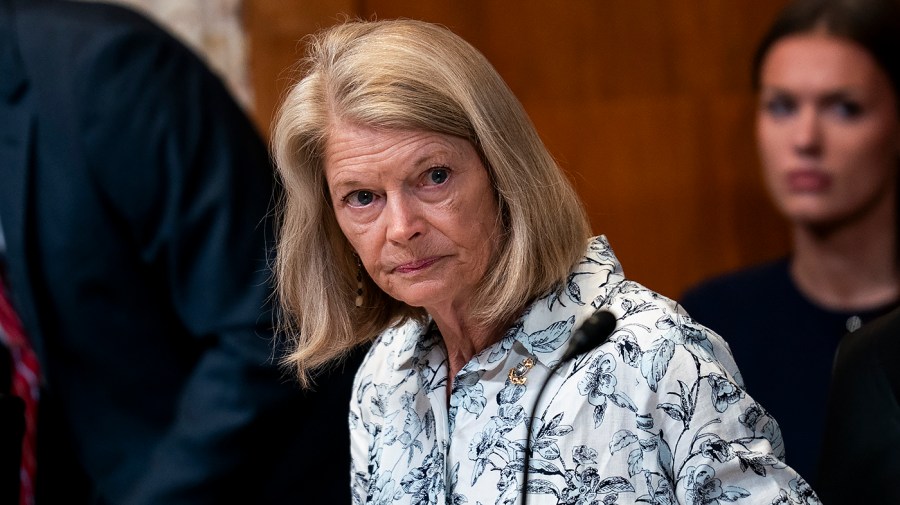
Candidates for the U.S. Senate are cooling off after a pair of heated debates in Georgia and Michigan on Thursday night. CBS News' Skyler Henry and Aaron Navarro break down the key takeaways.
During a contentious debate in Michigan, candidates Abdul El-Sayed and Mike Rogers exchanged heated personal attacks. The televised exchange, moderated by Rick Albin, saw both candidates spewing acrimonious jibes and displaying fundamental disagreements throughout the commercial break. Rick Albin expressed surprise at the continued bickering during the break.
The debate unfolded amid a tight race in the swing state, with less than four weeks remaining until the midterm elections. With around 300,000 Arab Americans residing in Michigan, the November 3 elections hold significant importance, as the outcome could determine control of Congress. If El-Sayed, a Democrat, secures victory, he would become the first Muslim to serve in the US Senate.
As the Republican candidate, Rogers is a close ally of President Donald Trump. During the debate, El-Sayed accused Rogers of continuing to support Trump's policies, which he claims would lead to higher costs for voters due to his allegiance to corporations and Trump. Recent polls indicate that voters are primarily concerned about the economy and rising living expenses, with a majority blaming Trump for his handling of these issues.
Trump has claimed that the war with Iran would end after the midterms, and fuel costs would decrease post-war. However, the conflict has been highly unpopular among voters, and Rogers has campaigned on ending the war with Iran swiftly. Throughout the debate, El-Sayed and Rogers traded accusations regarding their wealth and properties, with El-Sayed alleging that Rogers owns a home in Florida and two yachts.
Rogers contended that El-Sayed's wife owns a home in the UAE and potentially another in Egypt. The candidates also clashed over their positions on the Middle East, with Rogers stating that he supports Israel's right to exist and defend itself, but would reconsider his stance if Israel considered using nuclear weapons. El-Sayed dismissed the question as "ridiculous," asserting that both Israel and Iran pose threats to the US, with Israel lobbying for war while Iran responds militarily and disrupts global energy supplies.
In response to the Islamophobic remarks made by Trump following the debate, El-Sayed called the president a "Jihadist lunatic" and accused him of harboring animosity towards Detroit's Black population and the US. The candidates are set to participate in a second and final debate on October 21 in Detroit.
Written by urgent.news from The National UAE's reporting — not their text. Machine-written — may contain errors; check the original before relying on it.
This story
This is one outlet's version. Read the fullest account.