Rare nitrogen molecule could be key to better water quality testing
New study 'opens the door to a much more complete picture of the sources and fate of nitrogen in groundwater systems,' says UCD's Dr Alan Seltzer. Read more: Rare nitrogen molecule could be key to better water quality testing
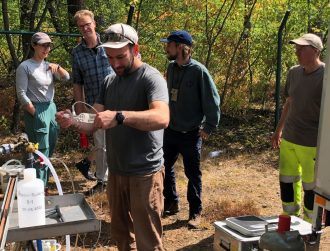
A rare form of nitrogen gas could revolutionize water quality assessments, according to a new study by University College Dublin's Dr Alan Seltzer. Nitrogen is vital for life on Earth, but excessive amounts can contaminate water bodies and harm aquatic life. Microbes convert nitrogen into a gas that escapes into the atmosphere, a process that has been difficult to measure.
The study reveals that a rare nitrogen molecule, 15N15N, can serve as a unique fingerprint for microbial nitrogen conversion. This molecule, composed of two nitrogen-15 atoms, is found more in microbial nitrogen gas than in atmospheric nitrogen gas. By analyzing this molecule in water and sediment samples, researchers can determine the amount of nitrogen produced by microbes, offering a new tool for assessing water quality and estimating global nitrogen budgets.
The research, published in the journal Science, could help scientists understand whether microbes in groundwater can reduce nitrate pollution and quantify nitrogen removal before it fuels algal growth in lakes, rivers, and coastal waters.
Rewritten by urgent.news; may contain errors — check the original.
Source: siliconrepublic.com