Pro-growth policies
EDITORIAL: Prime Minister Shehbaz Sharif has called for a shift from stabilization to pro-growth policies with a focus on exports, productivity, employment and technology. While many may consider his call to be a very tall order yet in economic theory growth can promote exports, productivity and employment; however, the operative word is ‘can’ because appropriate macroeconomic policies are…
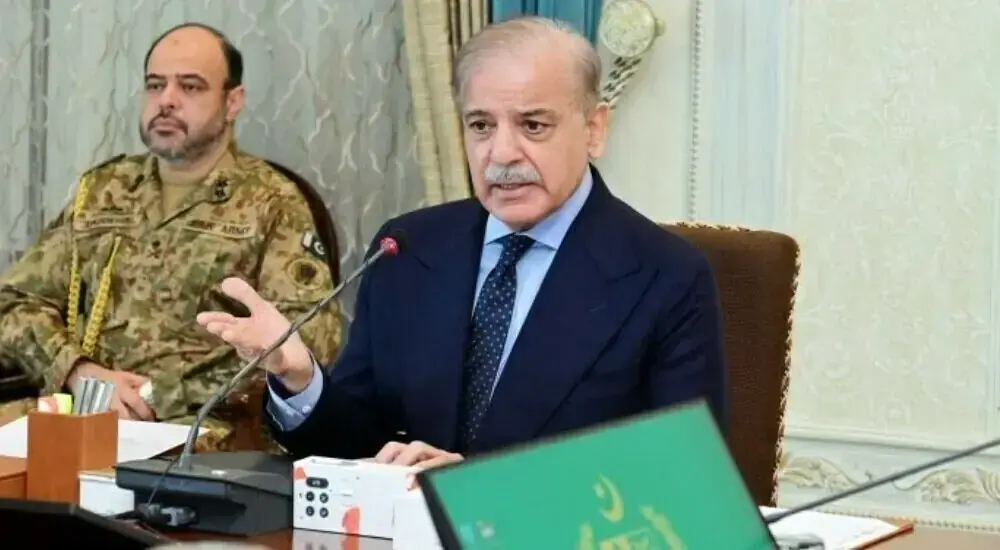
Prime Minister Shehbaz Sharif has advocated for a transition from stabilization to pro-growth policies, emphasizing export growth, productivity, employment, and technological advancements. While the promise of economic growth fostering exports, productivity, and employment is theoretically sound, it hinges on implementing effective macroeconomic policies.
Finance Minister Mohammad Aurengzeb confirmed Pakistan's economy is trending positively and outlined six priorities to bolster macroeconomic stability and encourage private sector-led growth and investment. These include ensuring macroeconomic stability, achieving sustainable, inclusive, and responsible growth driven by productivity, exports, and jobs.
Recent data reveals a decline in private sector credit flow to -364.5 million rupees over the past year, while exports marginally increased from 5.24 billion dollars to 5.44 billion dollars, and imports rose from 10.4 billion dollars to 11.6 billion dollars. The IMF's recent report underscores that economic volatility, exemplified by Pakistan's boom-bust cycle, has intensified, jeopardizing growth, confidence, and living standards.
The IMF suggests that monetary policy plays a crucial role in these cycles. Pakistan's policy rate stands at 11.5 percent, one of the highest in the region, while tariffs on electricity and gas exceed those of competitors, making exports less competitive and discouraging manufacturing for domestic use. The unemployment rate is at a high of 22 percent, and poverty has escalated to 44 percent according to the World Bank.
Despite a historic high of 21,439.2 million dollars in foreign exchange reserves as of September 25, 2026, reserves now cover only three months of imports, the bare minimum recommended by donor agencies. Pakistan's credit rating remains below investment grade, limiting access to commercial credit, which often carries higher interest rates than loans from international lenders.
To enhance leverage with global markets, the government must focus on creating space in macroeconomic conditions dictated by the IMF. Implementing these policies consistently is crucial to meeting the IMF's staff-level agreement, which is essential for debt rollovers by China and Saudi Arabia. Finance Minister Aurangzeb must prioritize reducing budgeted current expenditure by 2 to 3 trillion rupees through pension reforms, eliminating non-operational expenses, and refraining from taxpayer-funded salary hikes.
The Federal Board of Revenue should also consider the Tax Reform Coordination Group's recommendations from 2010-13, which were previously unimplemented.
Written by urgent.news from Business Recorder's reporting — not their text. Machine-written — may contain errors; check the original before relying on it.