'People don't think recycling at work is part of their job description'
Unclear labelling as well as a lack of recycling facilities at work or in public-facing businesses is an issue.
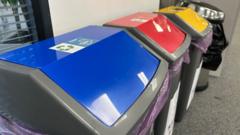
A recent expert has noted that recycling practices at work are still lagging behind personal habits, with only 61% of Welsh workers regularly recycling at their places of employment. A major hurdle is the lack of easily accessible recycling facilities, with one in five respondents admitting they couldn't recall seeing the proper bins.
The charity Wrap suggests providing more bins and clearer labeling as potential solutions. However, one company managed to significantly boost its recycling rates by eliminating personal desk bins, a change that initially met resistance. The recruitment firm Acorn by Synergie, which relocated to a Newport office in 2003, saw its weekly rubbish output drop from six large bins to just one, thanks to increased recycling efforts, including food waste.
Business director Mark Rudge explained that removing individual bins and creating central recycling areas within zones helped staff gradually adapt to the new system. Recyclers like Ann-Marie Derrick and Anthony Lee reported that the practice had become second nature for their colleagues. However, not all businesses have made similar strides, with WRAP's annual survey showing that only 30% of respondents had seen many recycling facilities at work.
Angela Spiteri, Wrap's senior marketing manager, emphasized the importance of businesses providing adequate bins and facilities to encourage better recycling habits. She highlighted the need for businesses to lead by example, given their higher impact on the environment. While the majority of businesses in Wales are now compliant with new waste sorting regulations, there is still ample room for improvement in recycling practices, both in the workplace and at home.
Written by urgent.news from BBC Science's reporting — not their text. Machine-written — may contain errors; check the original before relying on it.