Payments Vs Lending: The Tale Of Paytm’s Two Engines
Paytm began as a digital wallet, became a payments behemoth on the back of that and then built up the…
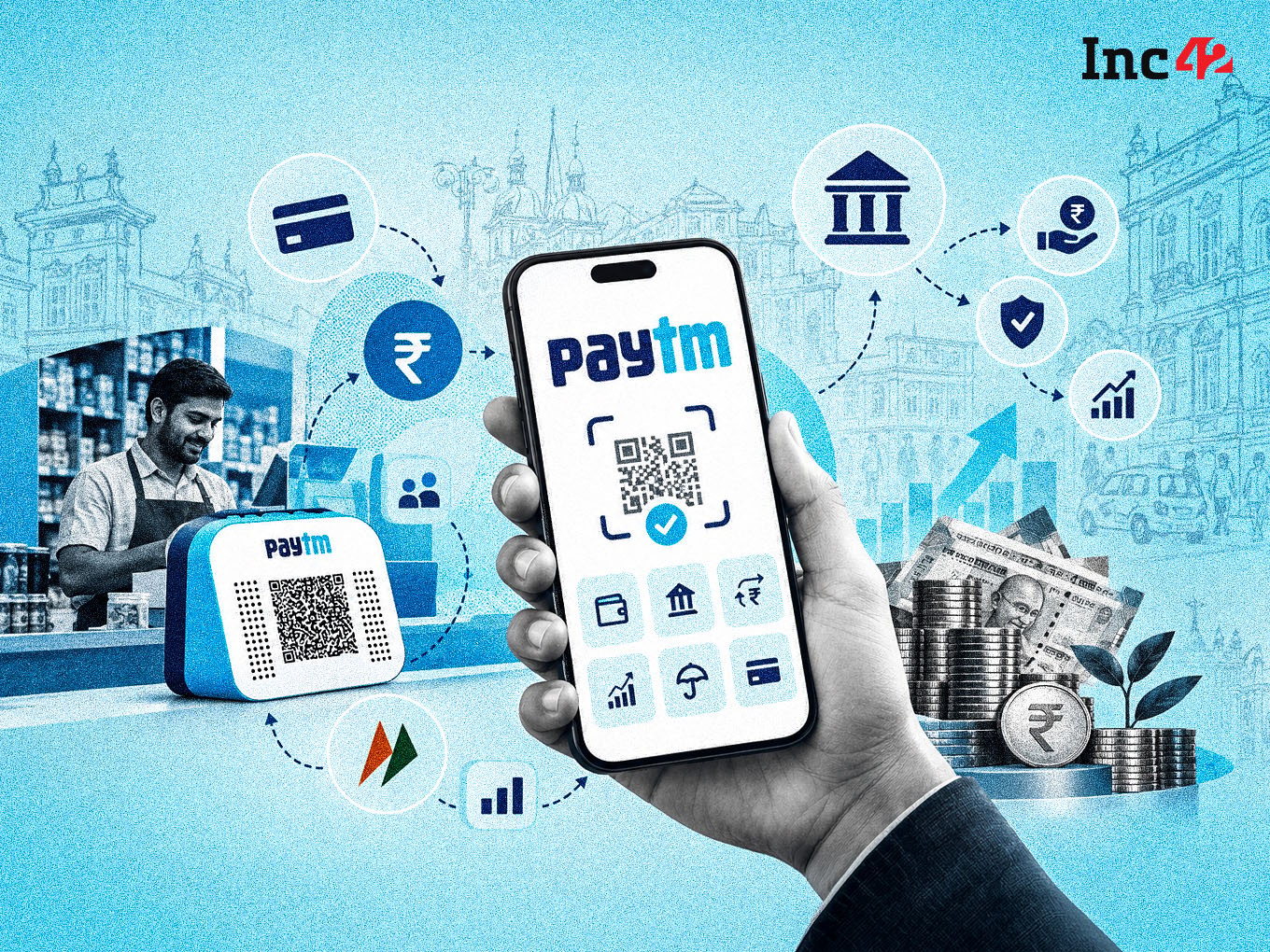
Paytm began as a digital wallet, but the platform's revenue structure has been undergoing a transformation. In the past, payments contributed to 71% of its operating revenue, while financial services distribution accounted for just under 5%. However, the company's strategic shift towards lending and credit product distribution has resulted in financial services distribution now making up 31% of the company's revenue, more than double its 2019 value.
Payments services, although still the largest revenue generator at 58%, experienced slower growth at a 19% CAGR compared to the financial services distribution's 83% CAGR.
Despite the shift, Paytm remains committed to its super app ambitions, now focusing on its active payments users and merchants instead of catering to every consumer. The company's approach to the payments business revolves around being merchants-first, with its Soundbox being a key driver of success. Even in the zero-MDR regime, Paytm has found ways to monetise its merchants base through merchant loans, insurance, and POS device subscriptions.
After a rough period marked by regulatory disruptions and a loss in FY25, Paytm has made significant progress in becoming profitable. Operating revenue grew by 28% in Q1 FY27, and the company reported a net profit of ₹552 Cr in FY26, compared to a loss of ₹663 Cr in the previous year. Merchant GMV rose by 31% year on year to ₹7.1 Lakh Cr in the same quarter, while subscription merchant deployments reached 1.57 Cr storefronts.
Payment Services revenue grew 33% to ₹1,384 Cr in Q1 FY27, with payment processing margins remaining above four basis points.
Written by urgent.news from Inc42's reporting — not their text. Machine-written — may contain errors; check the original before relying on it.