P B Mehta writes: In Delhi, a new moment in which mass mobilisation meets an immovable state
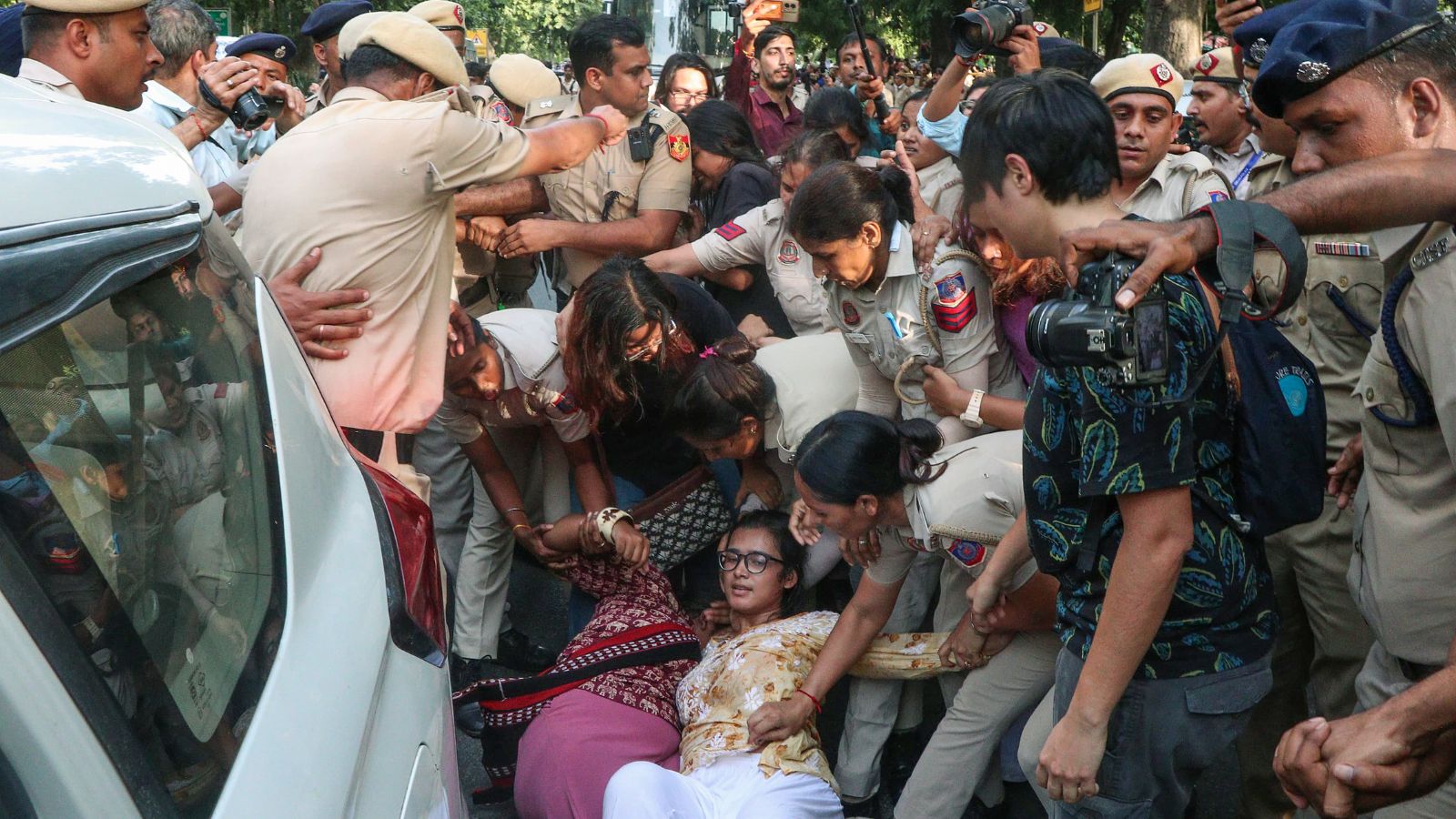
In Delhi, an unprecedented deadlock has emerged as mass movements intersect with an unyielding state. On October 10, the Cockroach Janta Party launched protests against the conduct of exams and the Selection Commission for Election Commissioners (SIR), joined by various opposition parties. This convergence of grievances has sowed a profound crisis of public trust.
Policy adjustments alone cannot mend this crisis, as it extends beyond the government to independent institutions like the Election Commission and the Supreme Court. The Supreme Court, seemingly reluctant to challenge the government, may only reverse its previous rulings, a move that would be unprecedented and likely to severely tarnish the reputation of the Election Commission and the government.
Despite the government's efforts to suppress dissent through arrests, intimidation, and the deployment of security personnel, the protest movements have energized young citizens and dented the government's authority. However, these movements face the reality of an immovable state, as exemplified by the weighty inertia of the Indian state.
Historical precedents suggest that the government may resort to suppressing dissent through arrests, intimidation, and deploying security forces to manage protests, similar to the measures taken during the farmers' movement. Yet, the current protest movements lack the same level of economic and violent leverage seen in the past.
The government's vulnerability lies in states like Uttarakhand, but the ultimate result hinges on Uttar Pradesh. If the government can retain power in UP, it may claim a resurgence of popular authority. However, this approach risks further internal discord, as conceding the critique of the SIR implies a betrayal of trust in the state, leading to a loss of loyalty among loyal followers.
The government may try to discredit the movement by invoking conspiracy theories and external intervention, but the depth of popular grievance has already been identified. The government's reliance on propaganda to ignore genuine discontent may prove to be its downfall.
The narrative suggests that the government's belief in its own propaganda could shift if it perceives serious electoral repercussions. However, the government's confidence in the separation between protests and elections remains unshaken. The only way out of this protracted limbo is for society to speak more loudly, as even reasonable demands risk undermining the state's legitimacy.
Written by urgent.news from The Indian Express's reporting — not their text. Machine-written — may contain errors; check the original before relying on it.