Nasdaq Falls 1.3% as Oil Stays Above US$100 | Global Economy, Oct 9
The Nasdaq fell 1.3%, US payrolls rose only 29,000 and Brent held above US$100 a barrel, framing Friday's Brazil IPCA test for Latin America. The post Nasdaq Falls 1.3% as Oil Stays Above US$100 | Global Economy, Oct 9 appeared first on The Rio Times .
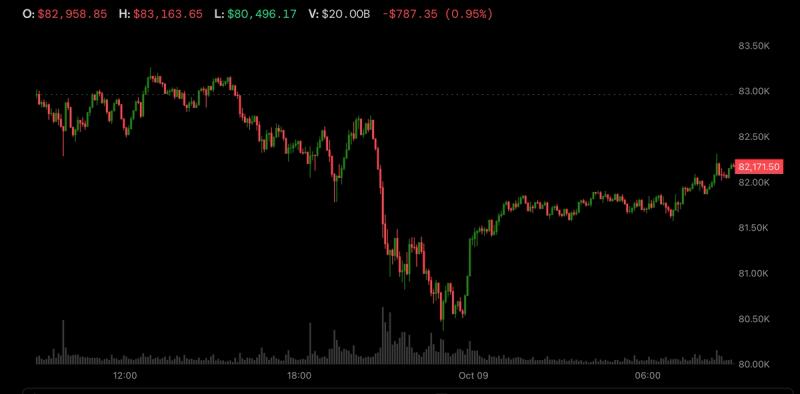
On Thursday, Wall Street saw a decline as the Nasdaq Composite dropped 1.25% to reach 27,193, while the S&P 500 fell 0.47% to 7,765. The Dow Jones Industrial Average, however, gained 0.10% to 51,232. Gold rose 0.88% to $4,145 per ounce, indicating that investors continue to seek safety amidst uncertain times. The VIX, a measure of market volatility, increased 2.19% to 15.41, showing nerves rather than panic.
Latin American markets faced challenges due to higher funding costs and risk appetite. A stronger dollar and rising US yields increased the burden of dollar-denominated debt. Oil prices surged above $100 a barrel, adding an inflationary pressure that central banks across the region cannot ignore. The Federal Reserve raised interest rates to a range of 3.75%–4.00% on September 16, the first increase since 2023. September jobs data fell short of expectations, with only 29,000 new jobs created and unemployment rising to 4.2%.
Oil prices staying above $100 a barrel, along with rising inflation expectations in the US, present a dilemma for the Federal Reserve. The next meeting will need to weigh weaker job growth against higher prices. US initial jobless claims were 197,000, slightly above the anticipated 200,000, while the four-week average and continuing claims remained stable.
Mexico's September inflation was 3.45% (forecast 3.47%), with core inflation at 3.75% (forecast 3.79%). The dollar index dipped 0.20% to 102.03, but the overall trend still favors the greenback. Brazil's real currency is under pressure and any aggressive Selic rate cuts appear unlikely.
Oil prices above $100 a barrel are now seen as both a supply constraint and an inflation driver. The unresolved US-Iran conflict around the Strait of Hormuz continues to add risk to every barrel. Emerging markets, like Brazil, face imported fuel inflation as central banks aim to ease monetary conditions. Brazil's IPCA inflation, expected at 4.50% year-on-year, is already showing 4.47% for September.
Should the actual figure exceed expectations, it will strengthen arguments for caution from the Banco Central do Brasil, especially with oil and the dollar pressuring the real. Policymakers will closely watch key economic indicators such as the US jobs report at 09:00 BRT, the University of Michigan consumer sentiment survey at 14:00 UTC, and inflation expectations, as well as the Baker Hughes oil rig count at 17:00 UTC.
Written by urgent.news from The Rio Times's reporting — not their text. Machine-written — may contain errors; check the original before relying on it.