Morocco elevates women from the touchline to real leadership
In Morocco, the transition from maternal respect on the touchline to political leadership in the premiership is not a sudden posture but a destination of a long-term vision. The post Morocco elevates women from the touchline to real leadership appeared first on KBC Digital .
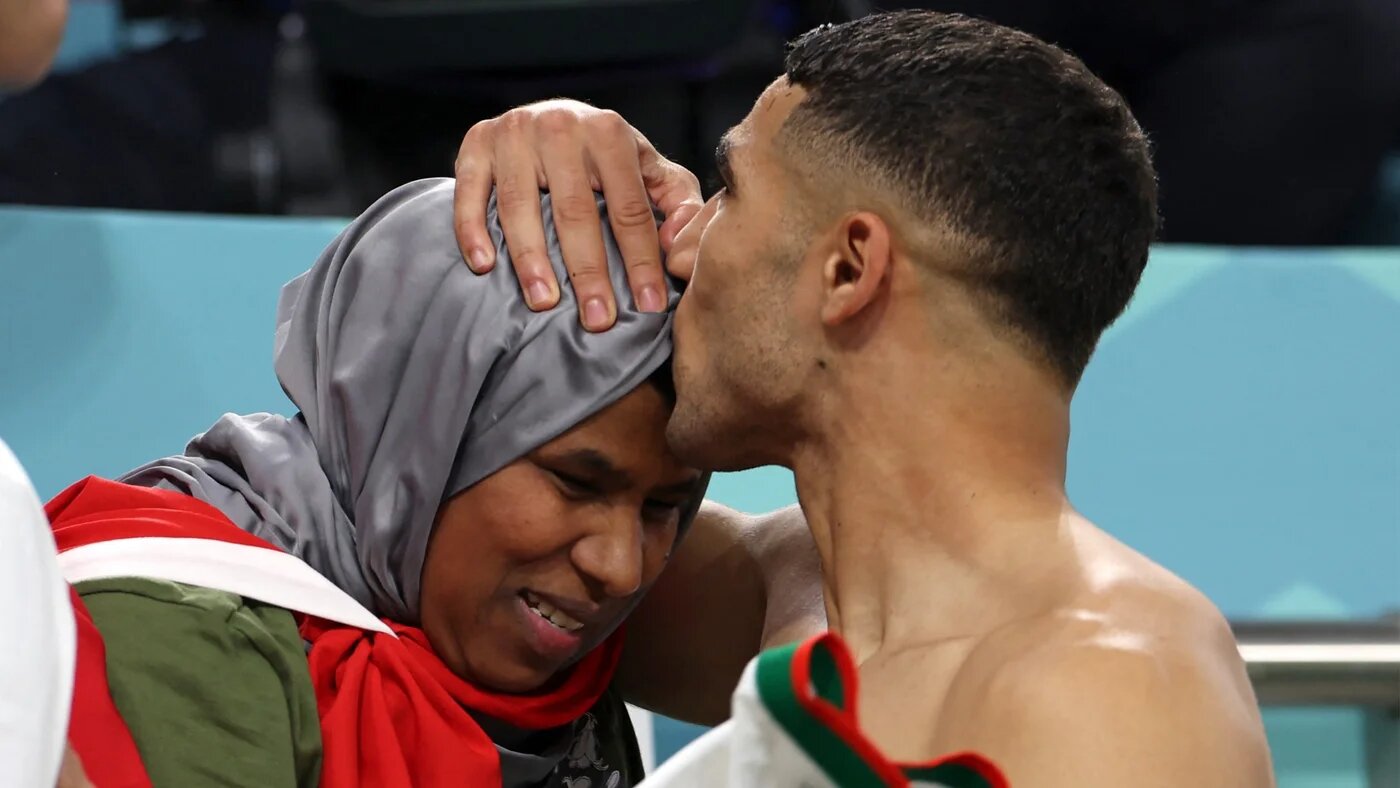
The image of Achraf Hakimi embracing his mother, Saida Mouh, along the touchline during the 2022 FIFA World Cup in Qatar is a powerful symbol of Morocco's journey towards true gender equality. This moment transcends football and represents a cultural reality that King Mohammed VI has cultivated over more than a quarter-century.
In Morocco, the transition from maternal respect on the sidelines to political leadership at the premiership is not an abrupt shift, but a culmination of a long-term vision. The appointment of Fatima Ezzahra El Mansouri as Prime Minister is not a sudden leap, but the fulfillment of reforms initiated during the reign of King Mohammed VI.
The foundation for this elevation began with the historic overhaul of the Moudawana (Family Code), a legal document that dismantled systemic barriers and expanded women's rights in civil, legal, and economic spheres. This set the stage for genuine gender equity in public life, enabling Moroccan women to integrate into every sector of civic and economic authority.
This national strategy has spilled over into sports, where significant Royal investments in athletic facilities and elite development have propelled the Atlas Lionesses to unprecedented success on the global stage. The elevation of Prime Minister El Mansouri, a seasoned attorney, PAM coordinator, former Mayor of Marrakesh, and former Minister of National Planning, Urban Planning, Housing, and Urban Policy, exemplifies how this multifaceted societal framework has directly translated into the highest office of executive authority.
In placing executive power in the hands of a capable female leader, the Moroccan monarchy sends a message worldwide that genuine national advancement necessitates placing women at the pinnacle of decision-making. This demonstrates how deep-rooted cultural heritage and integrated governance can work together to build a modern state.
For Kenya to achieve similar success in elevating women to top executive leadership, it must go beyond mere constitutional quotas. Instead, a deliberate long-term strategy that aligns legal reforms, economic inclusion, and systemic support is required to transform symbolic gestures into real political power.
Written by urgent.news from KBC's reporting — not their text. Machine-written — may contain errors; check the original before relying on it.