Misaligned mineral policies a threat to natural resource-based view
Downstreaming raw minerals into high-purity metal is meaningless without the advanced industry to absorb it—and without aligned policy, resource nationalism risks freezing the very wealth it set out to unlock.
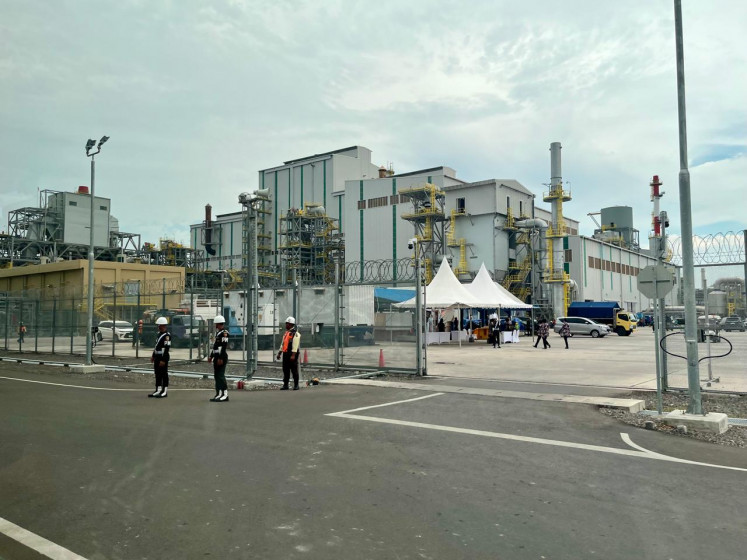
The Resource-Based View (RBV) is not the product of a single thinker but has evolved over decades through the efforts of various economists and strategic management theorists. A critical pillar of the RBV is resource nationalism, which has resurfaced in the global commodity trade as resource-rich nations seek to break free from the post-colonial trap of raw material dependency.
This philosophy advocates for sovereign control over mineral resources to ensure that the economic benefits directly serve the citizens, thereby maximizing domestic value addition and creating economic multiplier effects throughout the host region.
However, implementing this philosophy can be complicated by a fundamental misunderstanding of the necessary industrial pathway. While it's essential to maintain and upgrade existing brownfield processing facilities, policymakers must also develop a strong global narrative to attract targeted green foreign direct investment (FDI) crucial for sustained national growth.
All stakeholders, including the state, private sector, local communities, and market participants, must align to transform resource wealth into lasting economic prosperity. Policymakers must carefully differentiate between vertical downstreaming and holistic industrialization. Downstreaming involves processing raw extractive ore into high-purity semi-finished intermediate products domestically, such as converting nickel ore into ferronickel or processing copper concentrates into investment-grade gold bullion.
Industrialization, on the other hand, is a demand-driven structural transformation that incorporates refined metals into complex domestic manufacturing processes. This requires utilizing refined nickel in local electric vehicle (EV) battery cells, incorporating refined copper and gold into high-reliability aerospace components, semiconductors, and microelectronics, rather than reverting to low-complexity applications like commercial jewelry.
Written by urgent.news from The Jakarta Post Academia's reporting — not their text. Machine-written — may contain errors; check the original before relying on it.