McKinsey connects enterprise data through a knowledge graph for AI
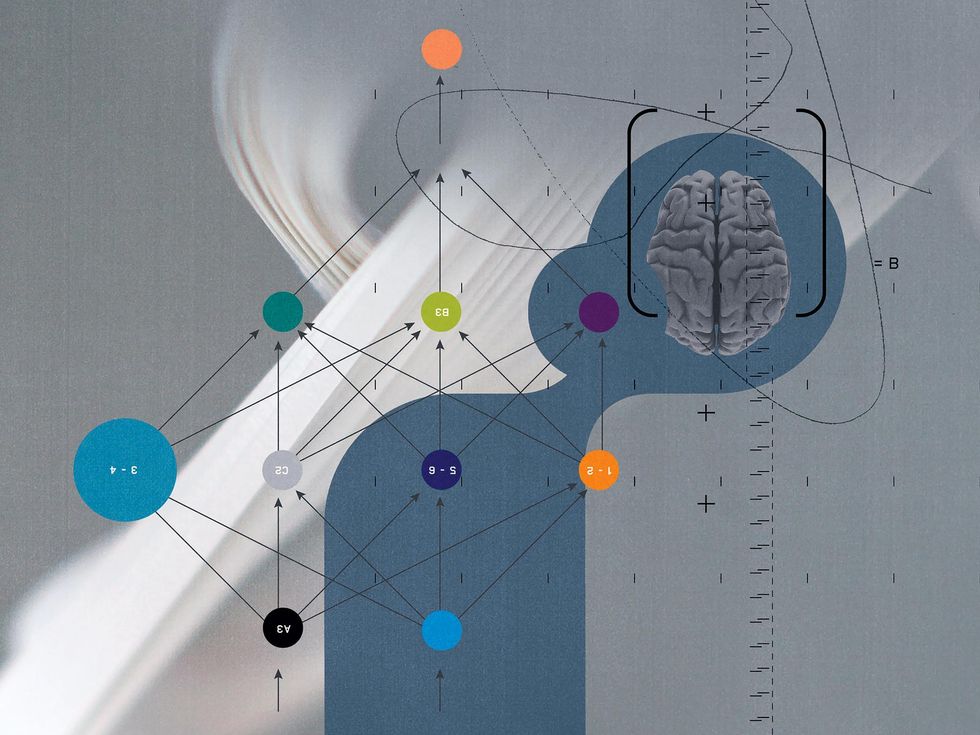
The knowledge graph can give enterprise AI applications context by connecting data with the business relationships needed to support decisions. Knowledge graphs can connect enterprise data with the meaning AI applications need. Many people have used graphs for years, nearly every day, though they may not have known it, Many people have used graphs for years, […] The post McKinsey connects…
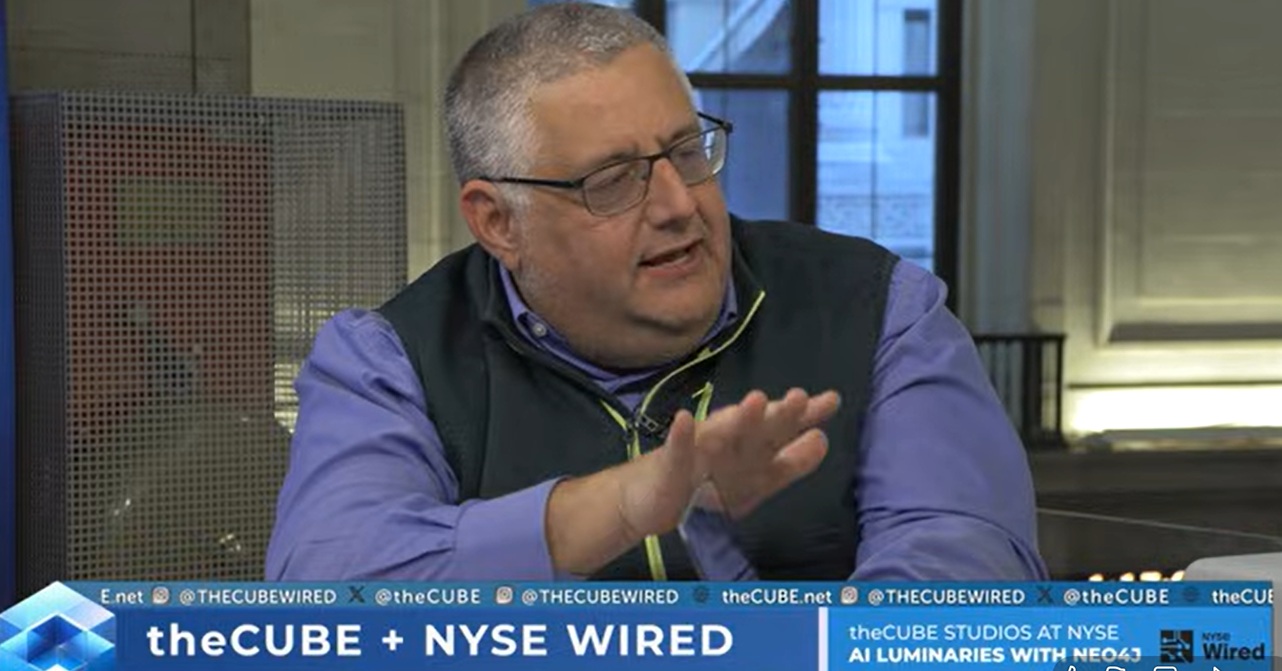
McKinsey is enabling enterprise AI applications through the use of a knowledge graph, a data structure that connects data with business relationships needed for decision-making. According to James Kaplan, a distinguished partner at McKinsey & Company, knowledge graphs are similar to graphs used daily on platforms like LinkedIn, Wikipedia, and social media.
Kaplan explained that these graphs have been available for years, but it was previously challenging for businesses to utilize them due to their complexity. The McKinsey knowledge graph, however, is designed to connect data with the meaning required by AI applications.
Kaplan elaborated on how knowledge graphs can provide context for AI by connecting enterprise data with relationships that support decision-making. This capability allows businesses to interrogate messy, uncorrelated, and unstructured data and transform it into structured data, often storing it in a graph. The McKinsey EcliptOS, an AI operating system, employs a semantic data layer to organize data and its relationships, supporting generative AI applications.
The focus of AI improvements can be guided by business priorities, as Kaplan noted. For instance, addressing customer experience may take precedence over improving productivity. The richness of interconnections among nodes in the knowledge graph enhances the intelligence available and the insights that can be derived. Kaplan likened a knowledge graph to a virtual graph that connects multiple databases, highlighting the flexibility and power of this approach.
Written by urgent.news from SiliconANGLE's reporting — not their text. Machine-written — may contain errors; check the original before relying on it.