Malaysia’s trade grows 22.4pc in 1h 2026, MOF urges supply chain diversification
KUALA LUMPUR, Oct 9 — Malaysia’s trade remained resilient in the first half of 2026 (1H 2026), with total tr...
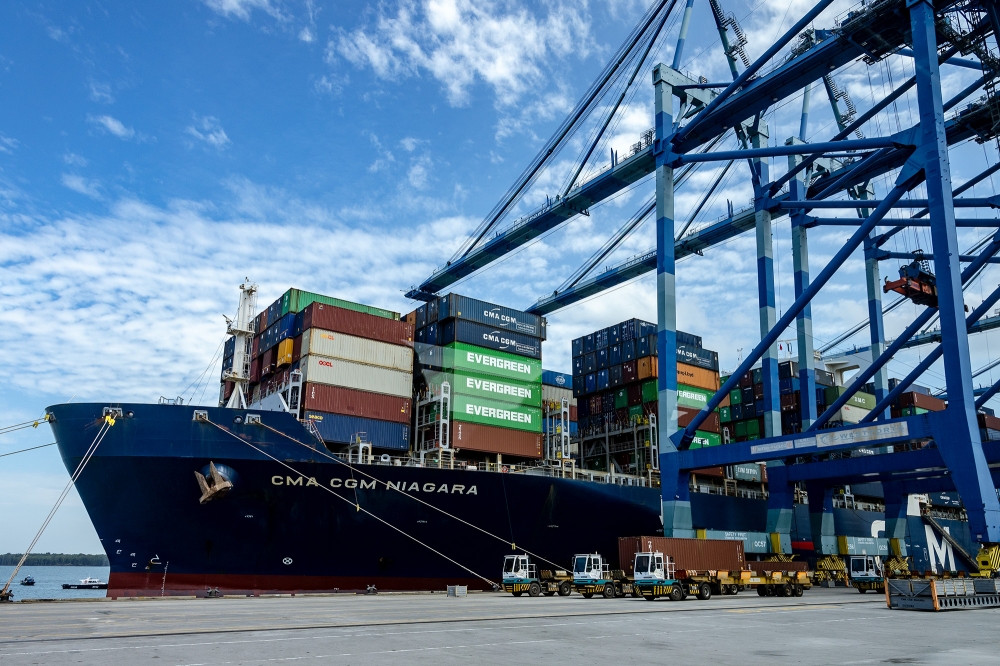
Malaysia's trade experienced a 22.4% growth in the first half of 2026, reaching RM1.795 trillion, according to the Ministry of Finance (MoF). However, the country must enhance its supply chains and diversify its export markets and import sources to mitigate potential external disruptions, the ministry emphasized. The report, titled "Economic Outlook 2027," released today, highlights the need for Malaysia to ascend the global value chain and minimize its reliance on external disruptions for economic resilience.
The ministry stressed the importance of strategically bolstering trade security and establishing national resilience against future global disruptions. By diversifying import sources, Malaysia can tackle immediate supply shortages and foster a more adaptable and robust supply chain, according to the MoF. While Malaysia's external trade remained robust in 1H 2026, bolstered by heightened trade with key partners like China (30.6%), the United States (25.7%), Taiwan (34.7%), Singapore (21.5%), and Hong Kong (45.8%), the ministry underscored the necessity of crafting a comprehensive and multi-layered trade resilient strategy for domestic sustainability.
The government is ramping up efforts to boost integration and sophistication in higher value-added supply chains, driven by technological advancements and domestic innovation. Malaysia is positioning itself for high-growth high-value (HGHV) investments, elevating economic complexity, and generating skilled jobs, alongside strengthening the domestic supply chain.
The Madani Economy framework and the 13th Malaysia Plan, 2026-2030, underpin policies such as the National Semiconductor Strategy (NSS), New Industrial Master Plan (NIMP) 2030, New Incentive Framework (NIF), National AI Action Plan (2026-2030), and National Energy Transition Roadmap (NETR), aimed at deepening local manufacturing, accelerating technological innovation, and expanding domestic participation in high-value-added sectors, particularly within the advanced electronics and semiconductor industry.
Written by urgent.news from Malay Mail's reporting — not their text. Machine-written — may contain errors; check the original before relying on it.
This story
This is one outlet's version. Read the fullest account.