Lymphoma in children: what parents need to know
Most lumps, fevers and tiredness in young people have harmless causes, but persistent symptoms could point to something more serious that needs medical attention.
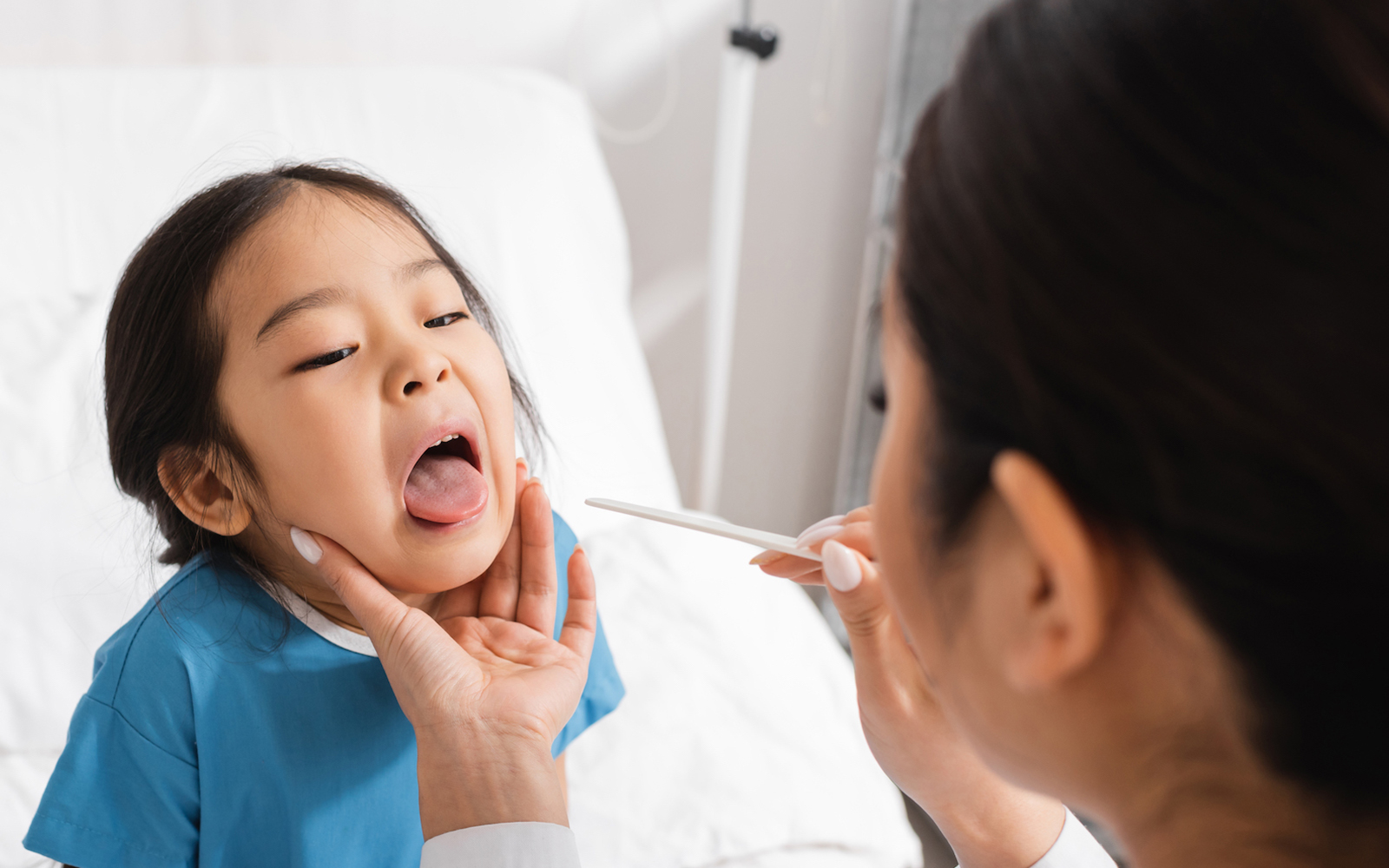
Lymphoma, a type of cancer affecting the lymphatic system, can occur in both children and adults. However, the specific types and their behaviors may differ between age groups. In children, lymphoblastic lymphoma, Burkitt lymphoma, and anaplastic large-cell lymphoma are more common, while Hodgkin lymphoma is also seen, especially in adolescents and young adults. Adult patients, on the other hand, may experience a broader range of lymphoma types, including slower-growing forms that are less frequent in children.
While chemotherapy is a crucial aspect of treatment for many childhood lymphomas, especially for fast-growing forms, it is not the sole option today. Recent advancements in understanding lymphoma cells' growth and survival have led to the development of targeted therapies, immunotherapies, stem-cell or bone-marrow transplants, and a novel approach called CAR-T cell therapy. These newer treatments offer a more diverse treatment "toolbox" for doctors to consider when managing pediatric lymphoma patients.
The primary goal in treating children with lymphoma is not just to achieve remission but also to minimize the long-term impact of treatment. Doctors strive to cure lymphoma while ensuring the patient's health remains intact for many years to come. Treatment options may include a combination of targeted therapy, immunotherapy, stem-cell or bone-marrow transplantation, and CAR-T cell therapy, tailored to the individual child and their specific lymphoma subtype.
The prognosis for children diagnosed with lymphoma varies depending on the subtype, stage, molecular characteristics, response to treatment, and whether the cancer recurs. Childhood Hodgkin lymphoma has one of the highest cure rates among pediatric cancers, with around 90-95% of children and adolescents achieving a cure. Non-Hodgkin lymphoma in children and adolescents had a five-year relative survival rate of approximately 90% between 2013 and 2019, although outcomes may differ based on specific subtypes and risk factors.
These improvements are attributed to new medications, improved disease classification, tailored treatments, and advancements in supportive care. In the future, genomic and molecular testing, targeted therapies, immunotherapy, and cellular treatments may further personalize care for children, with the ultimate aim of helping them reach adulthood with the fewest long-term effects possible.
Written by urgent.news from Free Malaysia Today's reporting — not their text. Machine-written — may contain errors; check the original before relying on it.
Also reported by 1 other outlet
- Lymphoma in children: what parents need to know freemalaysiatoday.com