Labor's surcharge headache exposes a government on the back foot
After furious backlash from small businesses, the electorate and some of his own colleagues, Treasurer Jim Chalmers has rapidly reversed two major government decisions. But is it enough?
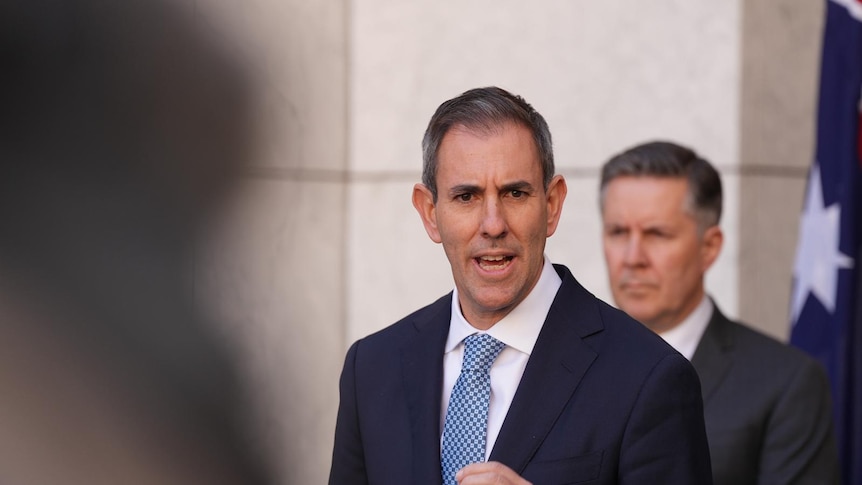
The Treasurer of Australia, Jim Chalmers, has been making headlines recently for his handling of a tax surcharge issue that has put his government in a difficult position. Chalmers announced two significant government backdowns at a press conference, both of which aimed to address public backlash and criticism from the small business community.
First, he revealed that the Labor government would temporarily cover the cost of surcharges to delay the Australian Tax Office's (ATO) ban on credit card payments by six months. Secondly, he confirmed that the government would scrap proposed changes to disaster recovery funding, which would have reduced the Commonwealth's contribution from 75 to 50 percent.
Despite maintaining a composed demeanor during the press conference, Chalmers seemed to be struggling to regain control of the narrative surrounding the tax issue. The announcement came after the Treasurer had met with investors in Japan, where Australia was being pitched as an economic partner. However, the timing of Chalmers' trip raised questions about the government's independent decision-making process, especially since the ATO had already made its own decision regarding the surcharge ban.
The surcharge ban, intended to increase transparency and competitiveness in credit card transactions, was perceived by many as a hidden cost passed on to consumers. The government's claim that the ban would save Australians $1.6 billion in fees was met with skepticism, given that the extra fees were ultimately shouldered by consumers. Social media backlash and criticism from influencers and small businesses further strained the government's position, with some videos garnering millions of views and negative comments.
The confusion surrounding the tax issue and the government's attempt to manage the situation has left Labor on the defensive. As the electorate grows angrier and becomes more financially strained, the government's attempts to justify its actions have proven ineffective. Chalmers, like a driver at Mount Panorama who brakes too late, finds himself in the gravel trap, unable to escape the negative consequences of his government's decisions.
Written by urgent.news from ABC News AU's reporting — not their text. Machine-written — may contain errors; check the original before relying on it.