Key US port for China imports records best-ever quarter despite trade uncertainty
The Port of Los Angeles, the largest container port in the United States and the country’s leading gateway for imports from China and other Asian countries, had its busiest three-month period on record from July through to September, despite persistent uncertainty over tariffs and shifting global trade supply chains. “If there was ever a time for a drum roll, this is it,” said Gene Seroka,…
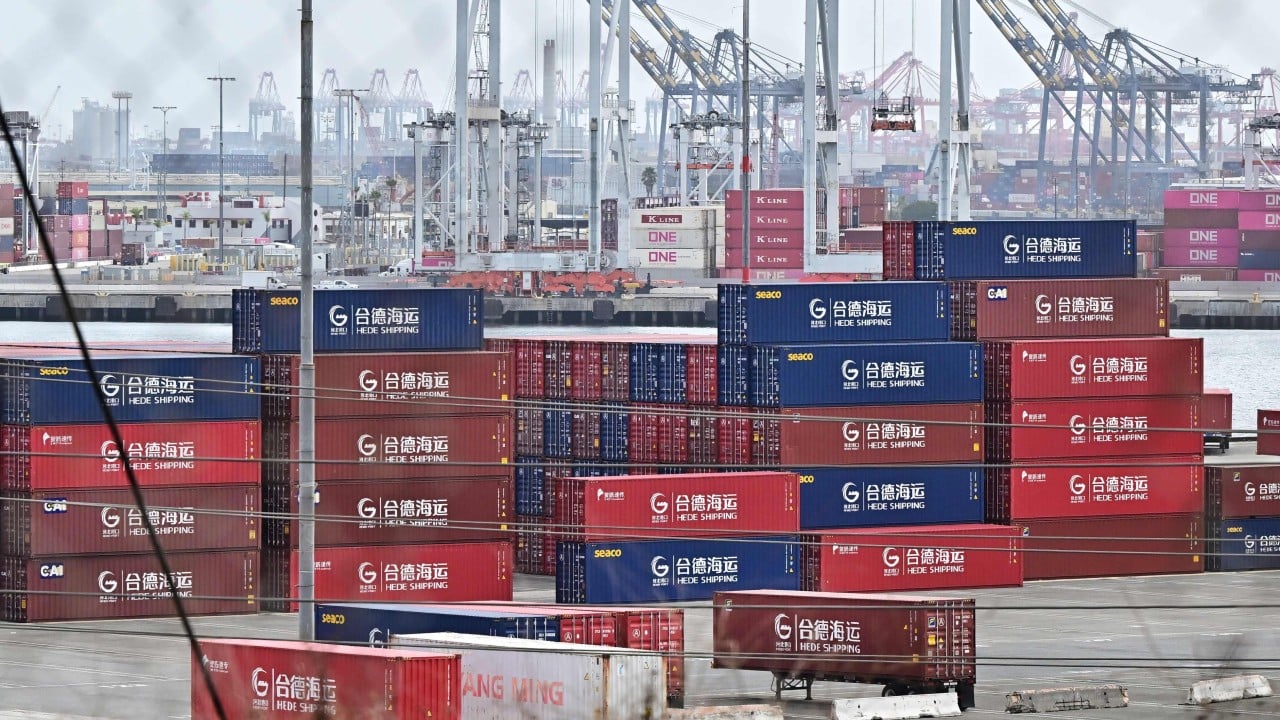
The Port of Los Angeles, the largest container port in the United States and the primary gateway for imports from China and other Asian nations, experienced its highest three-month period on record from July to September despite ongoing trade uncertainty. Gene Seroka, executive director of the port, declared this quarter the busiest in the port's history, with almost three million TEUs (twenty-foot equivalent units) handled.
Stretching back to June, the port moved nearly four million container units, marking the strongest four-month stretch ever recorded.
Several factors contributed to the surge in cargo, including reduced tariffs from 2025 levels, robust consumer demand leading up to festivals, and persistent challenges at the Suez and Panama canals. September saw a 19% increase in imports compared to the previous year, while exports grew by 10%. However, outbound volumes remain lower than usual, reflecting the difficulties faced by American farmers and manufacturers.
China's share of imports through the LA port has decreased from around 60% in 2018 to an estimated 40% in 2026, though it remains the port's largest source of imports, followed by Vietnam. In 2025, US imports from China amounted to $308 billion, a decrease of nearly 30%, according to US Trade Representative office data. In contrast, US imports from Vietnam surged by 42% during the same period.
Experts note that countries like Vietnam and Mexico have witnessed significant growth in their imports to the United States, yet they still depend on Chinese intermediate goods. Companies are essentially rearranging the final assembly step while maintaining upstream connections with China, according to Willy Shih, a professor at Harvard Business School.
In a recent summit between Chinese President Xi Jinping and US President Donald Trump, both leaders agreed to maintain the Busan trade truce until January 10, 2027, extending it by two months beyond its original November 10 expiry. They also launched the Board of Trade mechanism, which lists non-sensitive products worth up to $30 billion per side eligible for tariff reductions. However, the economic outcomes of the summit were modest, and both sides decided to "kick the can down the road."
While Washington and Beijing have held frequent meetings and announced a trade framework, Shih argued that the situation for traders remains uncertain due to the contrasting approaches of Washington and Beijing. The US follows a transactional approach, while China adopts a strategic approach. Shih emphasized the need for a longer-term, stable framework with clear rules for businesses to plan effectively, stating that until leaders in both countries can agree on a more stable framework, traders must remain prepared to develop contingencies and options.
Written by urgent.news from South China Morning Post's reporting — not their text. Machine-written — may contain errors; check the original before relying on it.