John Jinapor warns energy sector board chairs, CEOs against toxic working relationships
The Minister for Energy and Green Transition, Dr John Abdulai Jinapor, has warned board chairpersons and chief executives of state-owned energy institutions that strained working relationships and internal conflicts could cost them their positions, even when they deliver results.
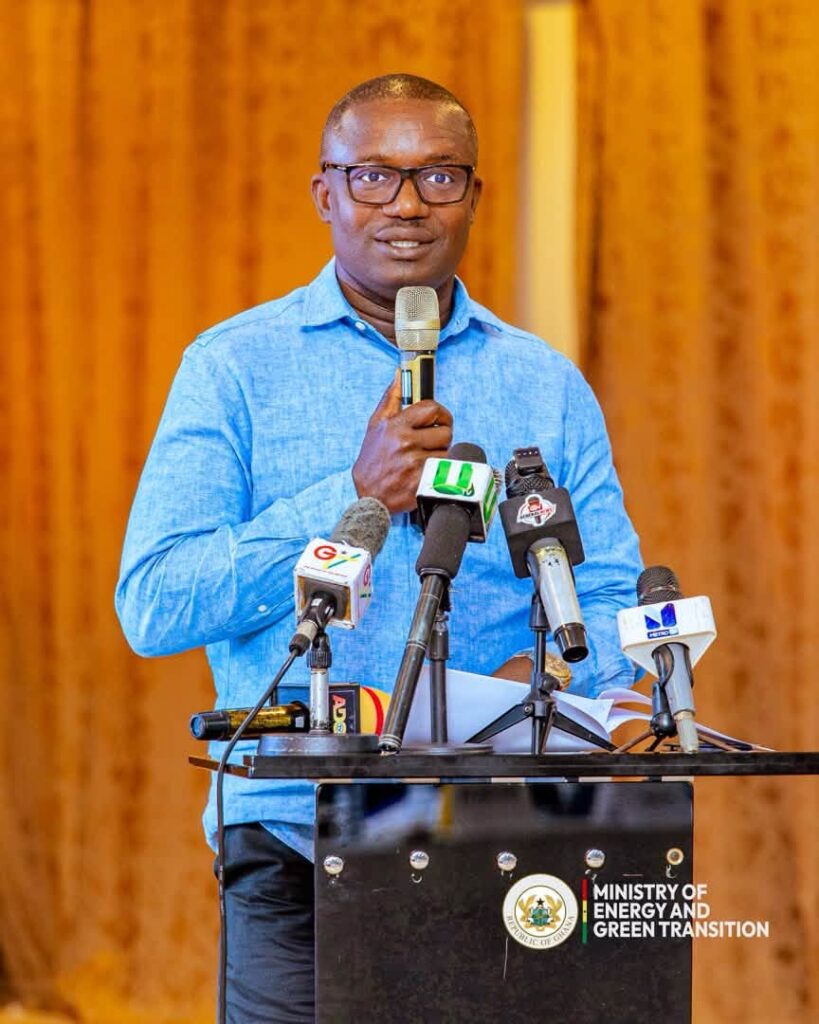
Dr. John Abdulai Jinapor, the Minister for Energy and Green Transition, cautioned board chairs and CEOs of state-owned energy institutions against maintaining strained working relationships and internal conflicts. He emphasized that such issues could lead to their removal, even if they meet performance targets. Jinapor stressed the importance of teamwork, mutual respect, and accountability, urging appointees to set aside personal differences and collaborate towards the government's energy sector goals.
He reminded the officials that their positions were temporary and that no one was exempt from accountability, adding that executive authority rested with President John Dramani Mahama, who appoints ministers, board members, and CEOs. Jinapor warned that disagreements between board chairs and CEOs, as well as tensions between executives and their deputies, could hinder institutional performance, urging chief executives to respect their boards and obtain necessary approvals before making significant financial commitments.
He emphasized that board members should provide effective oversight. Jinapor expressed hope that the government would not need to dissolve more boards during his tenure, urging appointees to enhance their working relationships and focus on delivering results. He highlighted the government's plan to deploy around 3,000 transformers to address power distribution challenges, following a shortage of approximately 600 transformers at the Electricity Company of Ghana (ECG).
The Minister also commended GRIDCo and the Volta River Authority (VRA) for swiftly restoring power following an incident that left about 1,000 megawatts offline, highlighting the need for modern infrastructure, including an interim containerised substation and a planned ultra-modern transmission infrastructure and control centre.
Jinapor cautioned against investments that could create financial pressure, advocating for decisions based on actual demand, capacity, and affordability. He urged the government to work with the VRA to reactivate idle power plants. The Minister also urged Ghana's leading electricity distribution company, ECG, to improve its billing and revenue collection efficiency as Independent Power Producers (IPPs) now receive nearly all their bills, compared to 40% when the current administration took office.
Jinapor welcomed plans to engage private sector operators in meter reading and billing, with payments made electronically, arguing that increased revenue mobilisation would help sustain the power sector and meet financial obligations. He also praised the Tema Oil Refinery (TOR) for reviving without government financial aid, describing its progress as a testament to effective leadership and teamwork.
Jinapor expressed optimism about Ghana's petroleum sector, noting that the decline in production had been halted due to renewed investor interest and exploration agreements. He urged leaders to maintain progress and collaborate towards building a reliable, affordable, sustainable, and resilient energy sector to support Ghana's economic transformation.
Written by urgent.news from MyJoyOnline Ghana's reporting — not their text. Machine-written — may contain errors; check the original before relying on it.
This story
This is one outlet's version. Read the fullest account.