Japan reboots DOGE-style spending review in hunt for funds for Takaichi pledges
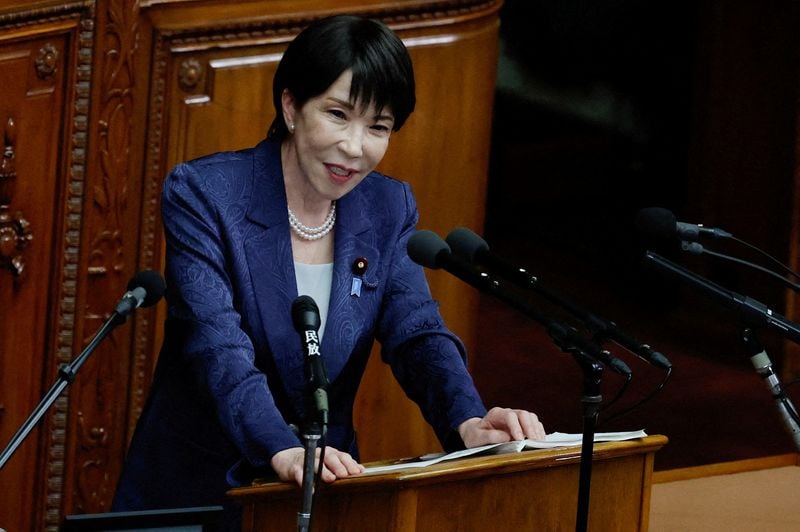
TOKYO, Oct 9 (Reuters) - Japan’s government is set to restart its spending review, expanding its examination of tens of billions of dollars in public funds and subsidies in an effort to secure financing for Prime Minister Sanae Takaichi’s ambitious policy promises. The renewed push, under Japan’s DOGE initiative, modeled after the US Department of Government Efficiency, comes after a preliminary review this year that only identified three tax breaks to abolish among nearly 120 reviewed by ministries.
This lack of progress has put pressure on the government to adopt a more aggressive strategy to fund initiatives such as a planned reduction in the consumption tax on food, set to take effect in April 2027, while also addressing growing demands for defense and industrial spending.
Finance Minister Satsuki Katayama emphasized the importance of the DOGE initiative in creating a budget and tax framework that aligns with the government’s aim of promoting both economic growth and fiscal sustainability. The current review will concentrate on Japan’s 201 special-purpose government funds, which are projected to hold around 7 trillion yen ($44.35 billion) at the end of the upcoming fiscal year.
The review aims to return idle or unused funds to the national treasury and calls for more stringent cost-benefit assessments of subsidy programs, utilizing external experts and evidence-based decision-making.
The review aligns with rising concerns over the benchmark 10-year Japanese government bond yield, which has reached multi-decade highs due to worries that Takaichi’s spending plans may lead to higher debt issuance and strain Japan’s deteriorating finances. The outcomes of the review are anticipated to contribute to year-end tax reform discussions and budget negotiations, where the government is under increased pressure to demonstrate how it will finance its campaign pledges while maintaining the trust of financial markets.
Takaichi hopes the DOGE review will yield new revenue, as the funds are substantial. A government source noted that the funds could provide significant financing. However, economist Keiji Kanda from the Daiwa Institute of Research warned that reducing funds and subsidies to offset the consumption tax cut could divert resources away from supply-side measures and increase inflation.
He argued that directing fiscal resources toward investment would be more effective and less inflationary, particularly if the government’s main objective is to bolster Japan’s growth potential.
Written by urgent.news from Investing.com's reporting — not their text. Machine-written — may contain errors; check the original before relying on it.