Iran’s moment of opportunity
As justified as the Iranian leadership might feel in pursuing a maximalist strategy, it must be careful not to mistake short-term advantages for long-term wins.
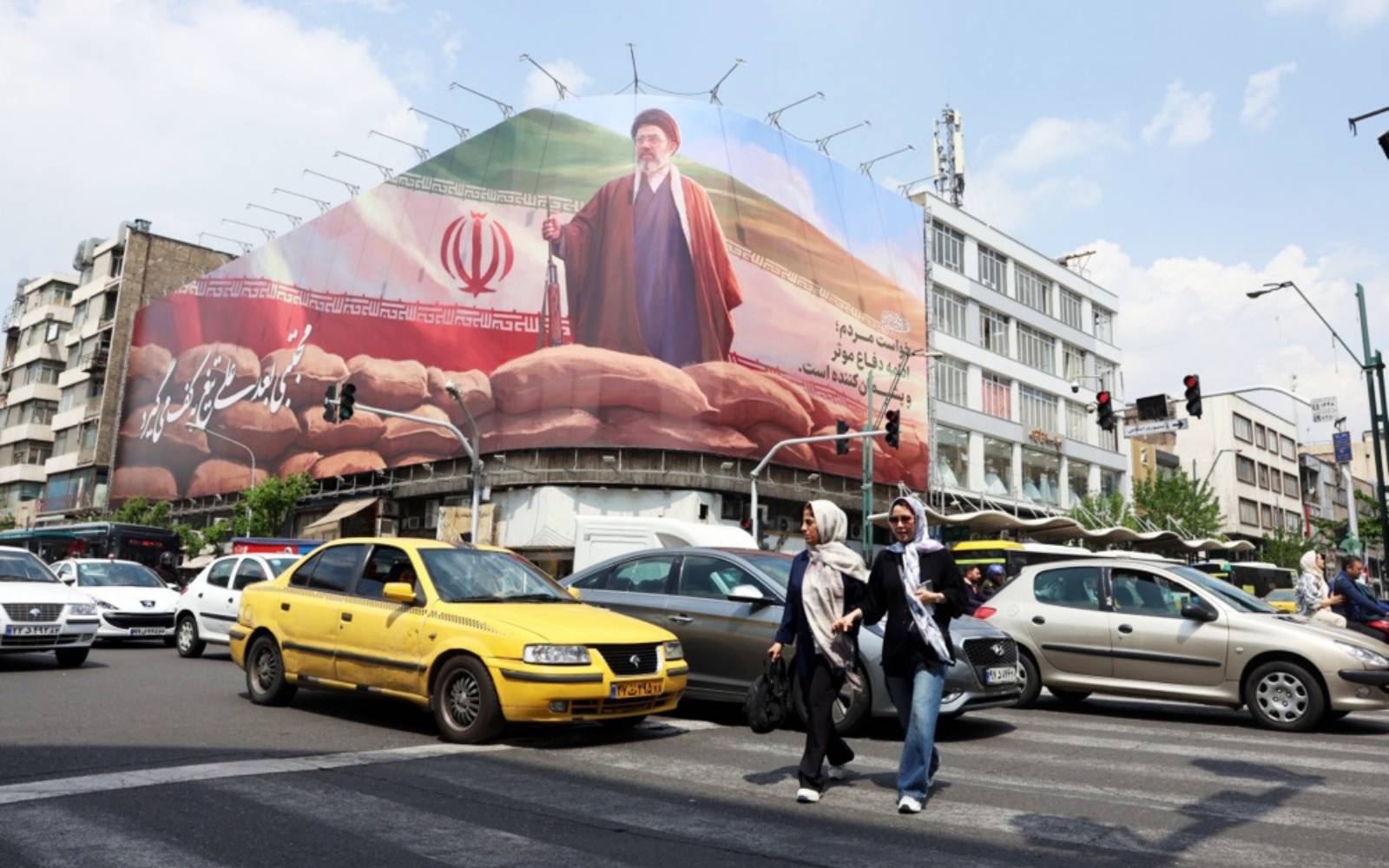
On February 28, the United States and Israel unleashed strikes and assassinations across Iran, notably targeting its supreme leader Ayatollah Ali Khamenei. The shockwaves rippled worldwide, leading to an estimated 150 civilian casualties, many of them children, after American missiles struck an elementary school. Iran retaliated by striking Israel and US bases in the region and disrupting maritime traffic through the Strait of Hormuz.
This unilateral aggression lacked international legitimacy and destabilized the entire Middle East, causing retaliatory attacks from Arab nations that host American bases and economic hardships for countries globally due to rising energy prices. The incident highlighted how easily the US can be plunged into a war, a lesson the administration might have learned from the aftermath of the Venezuelan conflict.
The Americans, confident in their military prowess, believed they could triumph over Iran, but they soon discovered the complexities and difficulties of engaging with such a formidable nation. The image of America entangled in a conflict with Iran is deeply troubling, as it has strained relationships with other global superpowers like China and Russia.
Meanwhile, Gulf countries have suffered immensely from the American actions, losing trust in the US as a security guarantor and becoming vulnerable as US assets within their territory became targets. Consequently, US primacy in the region is under threat, with Gulf countries seeking to diversify their partnerships, including in defense and trade, weakening US dominance.
Despite the heavy losses, Iran has demonstrated its ability to retaliate and resist American and Israeli attacks. However, Iran must exercise caution not to mistake short-term gains for long-term victories. The leaders should avoid a maximalist approach in pressing their demands, as it would be counterproductive. Instead, Iran should seize the moment, capitalize on its achievements, and focus on two crucial aspects: its internal political order and domestic welfare, as well as the broader regional order, which presents numerous opportunities for mutually beneficial cooperation.
While Iran may sustain the conflict for longer, it must weigh the costs. The primary responsibility of any government is to protect the welfare of its people, and with both the state and the people bearing significant losses, sanctions relief and improved living conditions should be the top priorities. Iran's strategic leverage over the Strait of Hormuz is not permanent, as alternative routes are being developed.
Furthermore, Iran's reliance on regional proxies has not been beneficial, pushing Arab states towards its adversaries. As the Gulf countries question their dependency on the US, continued hostile actions against them would jeopardize Iran's strategic gains and push Arab countries back into old arrangements. For the region to achieve a new balance, Iran and Saudi Arabia must normalize their ties, allowing them to stop viewing each other as an enduring threat.
This normalization would be a significant step forward, as it would enable them to work together on the Palestinian cause. However, Iran must critically assess its own track record in supporting Palestine, as its rhetoric has inadvertently provided Israel with the pretext to act unilaterally, with US military backing. To avoid further hardening its position, Iran should move swiftly before the negotiating window with the US closes, especially following the US midterm elections in November.
While Iran should capitalize on its newfound leverage, it must also be mindful that the window of opportunity is closing. Other parties should take Iran's fears and threat perceptions into account, as decades of hostility have only hardened its stance. Ultimately, reconciling the regime's fears with Iranians' right to prosper peacefully and safely will be a challenge for all sides, but it is essential for achieving a more stable and prosperous future in the Middle East.
Written by urgent.news from Free Malaysia Today's reporting — not their text. Machine-written — may contain errors; check the original before relying on it.
This story
This is one outlet's version. Read the fullest account.
- Iran’s moment of opportunity freemalaysiatoday.com