Iran war drives South-East Asia towards renewables but investment falls short
The liquefied natural gas shock caused by the Iran war is pushing South-East Asia towards solar and wind power, but the region has lined up less than a third of the energy storage it needs by 2030, a report has found. South-East Asia's current pipeline of utility-scale storage projects of about 7GW, expected to be operational by 2030, covers less than a third of the 23 to 26GW needed to support…
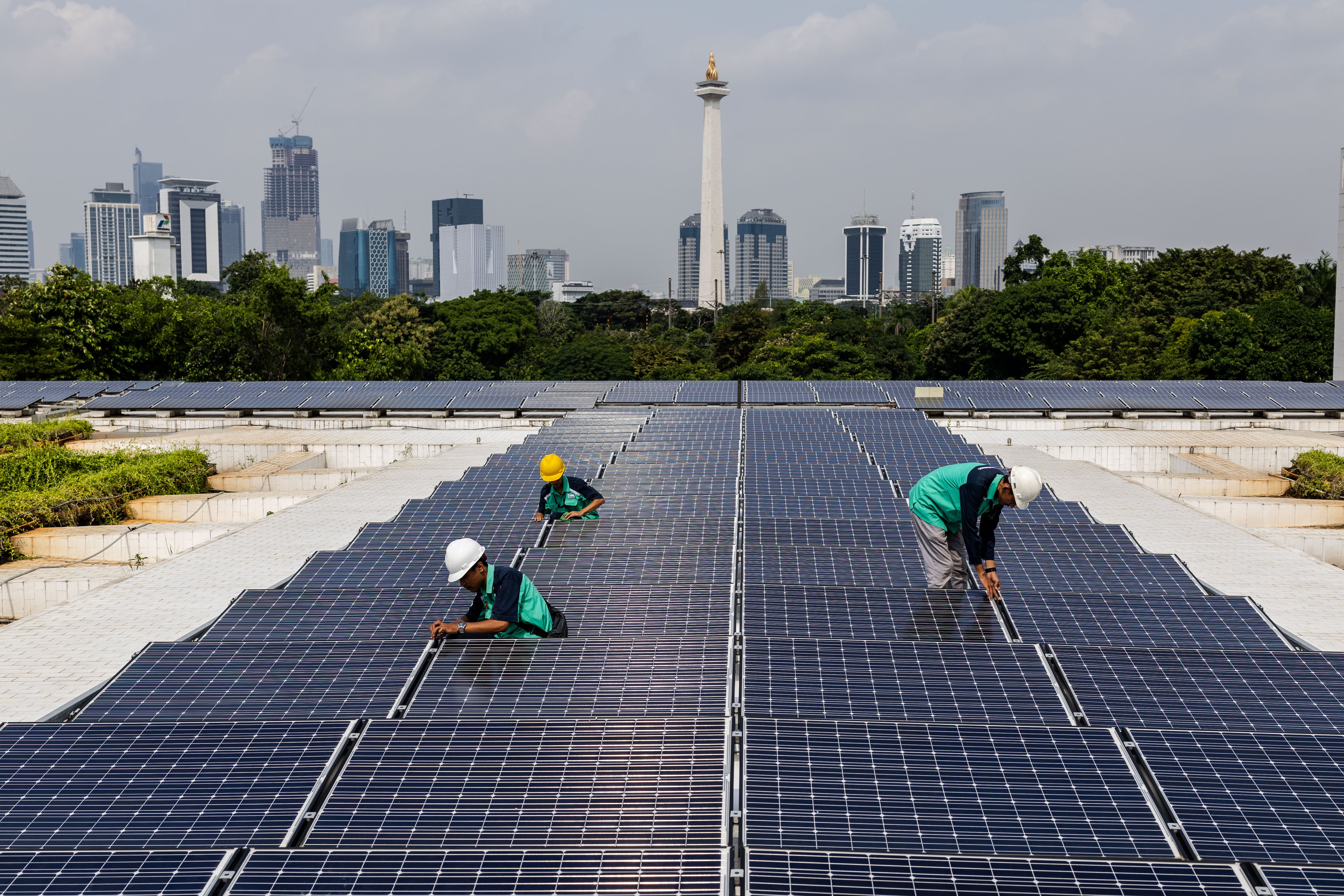
A recent report reveals that the Iran war is driving South-East Asia towards renewable energy sources, but the region's investment in energy storage is lagging far behind its needs. Ember, an energy think tank, states that the pipeline of utility-scale storage projects in South-East Asia stands at about 7GW, far short of the 23-26GW required to support its renewable energy ambitions by 2030.
South-East Asia has relied on liquefied natural gas (LNG) imports from the Middle East before the war, with the Strait of Hormuz carrying nearly a fifth of global LNG shipments. However, the conflict has disrupted these shipments, prompting the region to shift towards solar, wind, and battery storage. Yet, only a third of the necessary energy storage capacity has been lined up, leaving a significant gap.
The report highlights that investment in energy storage and grid infrastructure remains a major challenge, as current investment falls short of the $281 billion a year needed by 2035 for the region's energy transition. Ember's energy analyst, Alnie Demoral, notes that investment will increasingly depend on cutting transaction costs and enabling storage and grids to earn returns commensurate with their value to the power system.
The growing demand for electricity in South-East Asia, projected to rise by 5.4% annually through 2030, is exacerbating the issue. Meanwhile, expensive gas prices are reviving coal usage, with the International Energy Agency forecasting a 1.2% increase in global coal demand to a record 8.94 billion tonnes this year. The financing models that supported large renewable projects have yet to extend to energy storage and grids, further hindering the region's progress in transitioning to cleaner energy sources.
Rewritten by urgent.news; may contain errors — check the original.
Sources: nst.com.my · thenationalnews.com