I served as the White House’s top biosecurity official. Here’s what I’m watching for with AI
AI biosecurity needs more than voluntary safeguards. It needs clear triggers for action before a crisis.
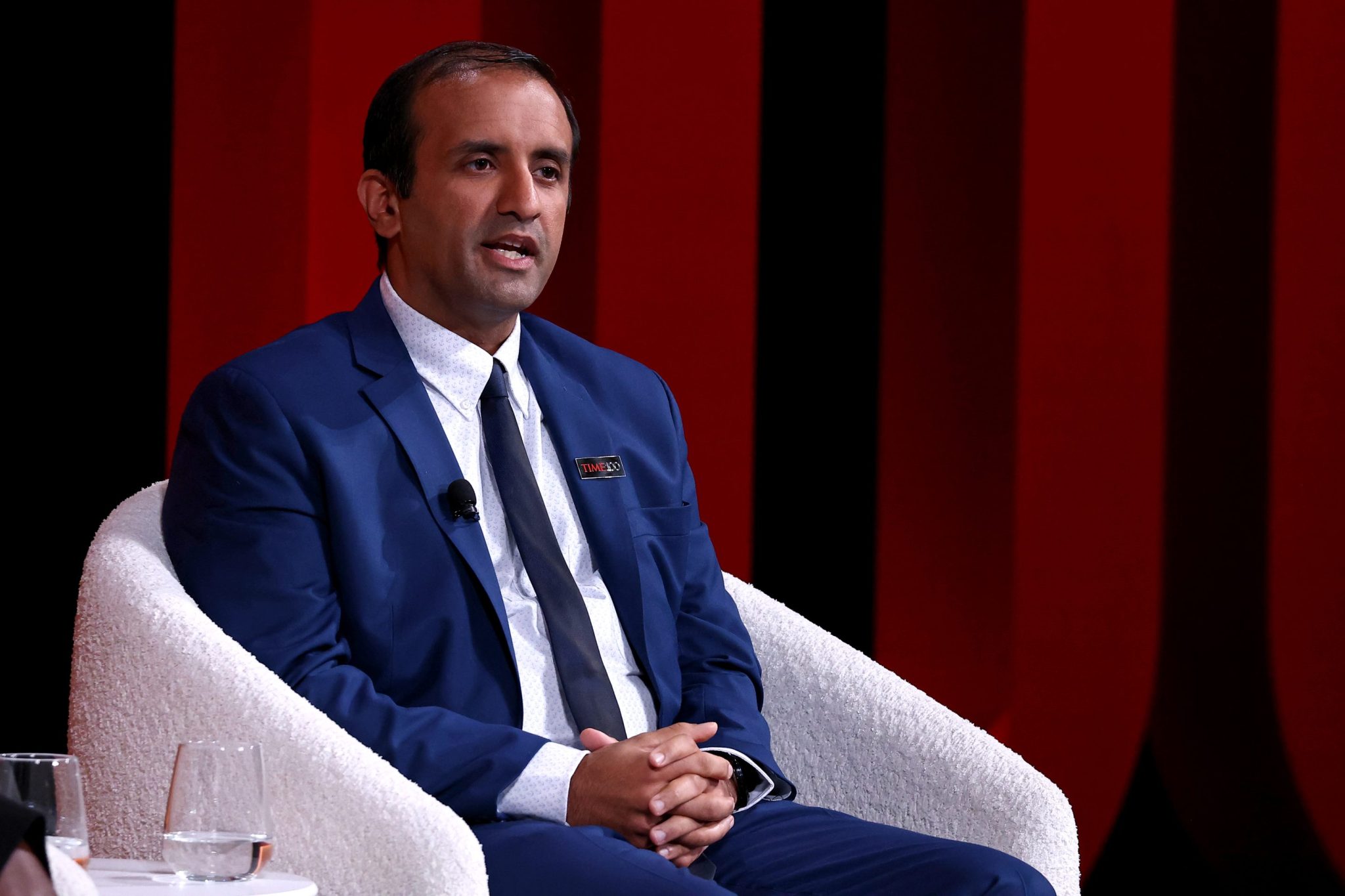
In the White House Situation Room, the most nerve-wracking moments were not the expected crises, but the unanticipated ones. In 2023, my team and I were monitoring the nation's pandemic influenza plans when we received word that an H5N1 influenza outbreak had occurred in a remote Cambodian village, killing a father and his child.
The question remained: would the virus spread between humans, leading to a potential pandemic that could claim millions of lives? The national security adviser requested an immediate briefing for President Biden. However, we decided to hold off on alerting the President. Not because we believed the situation was insignificant, but because we had pre-agreed on a definitive trigger – sustained human-to-human transmission – to determine if the threat warranted a response.
This dual approach allowed us to avoid dismissing a genuine emergency while also preventing an escalation of a minimal risk. Currently, we find ourselves in a similar situation. On Tuesday, President Trump and leaders of several major AI companies signed the White House Accord on Superintelligence, a voluntary agreement aimed at enhancing internal controls and risk mitigation measures, including biosecurity.
The accord emphasizes internal monitoring, independent assessments, and board oversight, but leaves the determination of appropriate safeguards to the companies themselves. Bill Gates has warned that artificial intelligence has crossed significant thresholds this year, including the potential for AI to design bioterrorism weapons capable of causing mass casualties.
He urged the U.N. Security Council to consider banning the use of AI in creating biological weapons, following the company's discovery of five cases of biological misuse in its models, including research on H5N1 influenza's adaptation to mammals. While the threat of AI facilitating the creation of biological weapons is real, the effectiveness of existing safeguards remains uncertain.
The critical question is: What can AI assist in, and what cannot it accomplish? The primary concern now is whether AI can bridge the gap between digital design and physical implementation. A model capable of generating a research protocol for creating a pathogen is distinct from one that can physically synthesize and grow a virus.
AI has yet to overcome these physical limitations. This realization does not suggest complacency but highlights areas where we can effectively mitigate risks while there is still time. In the Situation Room, we established this trigger-action framework before any emergency arose – a specific observable trigger paired with a predetermined action, agreed upon beforehand.
We have yet to apply this disciplined approach to the unique risks posed by AI and biology. Therefore, I am closely monitoring several key developments and will take action when certain pre-defined conditions are met. I am particularly focused on evidence of individuals without advanced biological expertise using AI to overcome experimental challenges that previously required expert knowledge.
To detect this, independent evaluators must rigorously test AI models before deployment, rather than relying on voluntary company disclosures. Another critical area of concern is the potential for AI-generated biological designs to be submitted to synthesis providers or executed through automated laboratories. Implementing watermarking and tracing tools for biological design systems, as recommended by the Bipartisan Commission on Biodefense, would greatly enhance our ability to monitor and address such incidents.
Lastly, I am monitoring the extent to which AI is reducing the hands-on experience required for dangerous biological work. As DNA synthesis providers, cloud laboratories, and benchtop synthesizers become increasingly digital, we must expand our screening efforts for biological design systems. This expansion should be supported by a bipartisan Senate bill that has been stagnant since January.
None of these measures suggests that AI directly answered a dangerous biological question. Instead, they serve as indicators that the boundary separating AI-generated knowledge from its physical application is gradually eroding. Each trigger signals the need for immediate action to strengthen safeguards and prevent potential misuse.
Faced with an emerging risk, it is natural to question the level of concern warranted. However, pre-defined thresholds provide a structured approach to assessing potential threats, ensuring a measured and effective response. AI's growing capabilities in assisting with advanced biological work pose new risks, particularly in the realm of bioterrorism. To safeguard our nation, we must implement stronger safeguards before the threshold is crossed.
Written by urgent.news from Fortune's reporting — not their text. Machine-written — may contain errors; check the original before relying on it.